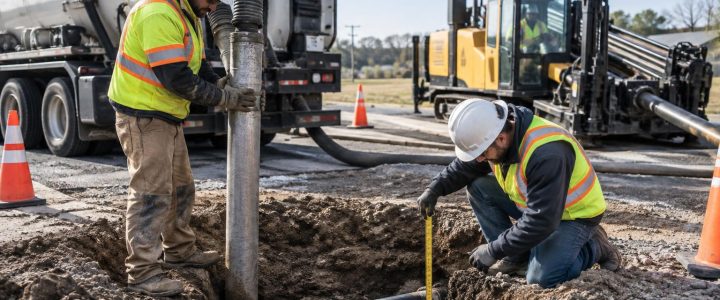
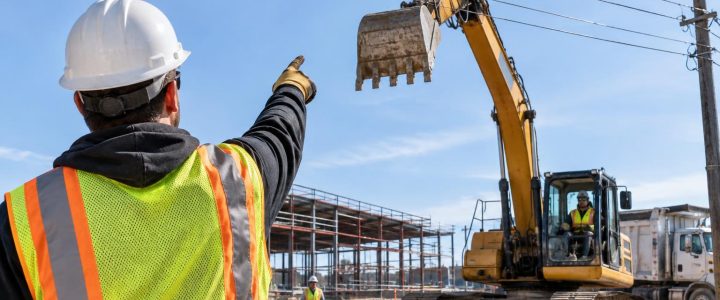
When a project needs more than a painted utility mark, a test hole can provide the physical information needed to plan work with greater confidence. Vacuum excavation gives crews a controlled way to expose a known or suspected utility, observe it directly, and document field conditions before larger excavation, drilling, or construction begins.
Both hydro excavation and air excavation are used for utility potholing, utility daylighting, and non-destructive excavation. Neither method is automatically the right answer for every site. The practical choice depends on soil conditions, the utility being exposed, access, water and spoil handling, restoration requirements, weather, and the information the engineer or contractor needs from the exposure.
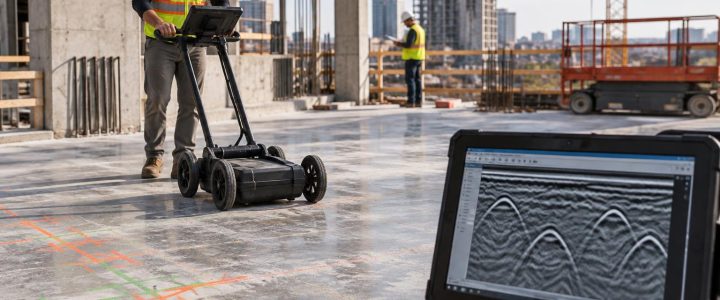
A planned utility test-hole program often begins with records research and utility designation. Private utility locating, electromagnetic methods, ground penetrating radar, and Subsurface Utility Engineering can help identify targets and select efficient exposure locations. Vacuum excavation then provides physical verification where the design or construction decision requires it.
Why physically expose a utility?
A locate mark or geophysical result is valuable, but it is not the same as seeing the utility. Electromagnetic locating may trace a conductive line or a tracer wire. Ground penetrating radar may identify a subsurface anomaly or interpreted target under suitable site conditions. These methods can support utility designation, but they may not provide the level of certainty required at a proposed conflict point, bore path, or deep excavation.
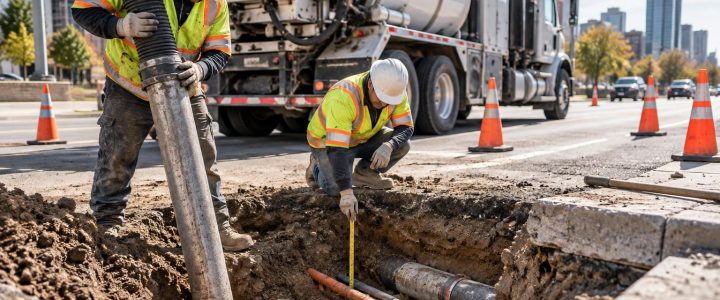
Utility daylighting can allow the field team to observe and document characteristics such as:
- The actual horizontal position at the test-hole location
- Depth below the existing surface, measured after exposure
- Pipe or conduit outside diameter
- Observable material, such as metallic pipe, plastic conduit, concrete, clay, or duct bank components
- Number and arrangement of visible conduits
- Casings, fittings, abandoned lines, or other visible configuration details
- Conditions at a crossing, including measured vertical separation where both utilities can be safely exposed
Physical exposure does not automatically create design-ready coordinates. If a project requires a precise location or elevation, the exposed utility should be measured and documented using the project’s required procedures. A survey crew may need to collect horizontal coordinates and vertical elevation tied to the project datum. This is different from an estimated depth obtained during geophysical locating or a tape measurement from the surface.
How hydro excavation works
Hydro excavation uses pressurized water to loosen soil while a vacuum system removes the soil-water mixture into a debris tank. The process is often used to expose underground utilities without relying on a backhoe or excavator bucket immediately around the target.
For many utility potholing services, water is effective because it can break up cohesive or compacted soil efficiently. It can be especially practical where crews need to complete several test holes in common soils and can manage water supply, slurry containment, hauling, and disposal.
Where hydro excavation may be a practical fit
- Dense, dry, or compacted soils that are difficult to loosen with air alone
- Projects with multiple planned utility exposures
- Locations where slurry handling and disposal have been planned
- Utility daylighting where the work area can accommodate water use and spoil removal
- Conditions where productivity in difficult soil is a primary consideration
Hydro excavation still requires careful operation. Water pressure, nozzle distance, exposure technique, soil behavior, and the known or suspected utility type all matter. It is not risk-free, and it should not be treated as permission to excavate aggressively around an energized cable, fragile pipe, or unknown facility. The crew should follow the project’s utility-owner requirements, safe-digging procedures, and jobsite controls.
How air excavation works
Air excavation uses compressed air to break up soil while a vacuum system removes loosened material. Rather than creating slurry, the process generally produces dry or relatively dry spoil, depending on existing ground moisture.
Air excavation can be useful where adding water would create an avoidable restoration, environmental, or disposal issue. It may also be selected around certain sensitive facilities when the project team wants to limit water introduction into the excavation. However, air excavation can be slower in very hard, cemented, frozen, or saturated soils, and dust control may need attention in dry conditions.
Where air excavation may be a practical fit
- Sites where water use is restricted or undesirable
- Interior-adjacent, landscaped, finished-surface, or sensitive locations where slurry would complicate cleanup
- Projects where dry spoil handling is preferable
- Work near facilities where water management needs added consideration
- Locations with soil that can be loosened effectively by air
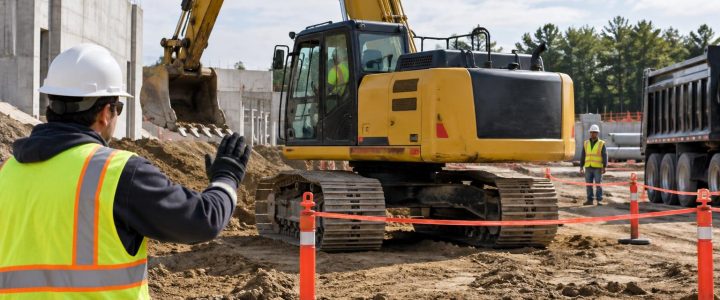
Air excavation is also an active excavation method, not simply a locating tool. Crews still need appropriate personal protective equipment, traffic control where needed, controlled work zones, and a plan for spoil removal and restoration.
Air vs. hydro excavation: the decision factors that matter
The best method starts with the question the test hole must answer. For example, exposing a shallow communications conduit beside a building is different from verifying a deep water main in a roadway corridor before a sewer installation.
1. Soil and groundwater conditions
Soil is often the largest factor. Dense clay, compacted fill, and dry soils may favor hydro excavation for efficient loosening. In contrast, water can make already saturated ground harder to manage and may increase the volume of material requiring handling. Frozen ground can slow either approach and may require additional planning.
2. Utility type and condition
The likely utility should influence the exposure plan. A facility may be metallic, non-metallic, encased, congested with other lines, fragile due to age or condition, or difficult to identify from records alone. The excavation method, tool settings, nozzle handling, and final hand exposure approach should be selected for the site-specific risk—not just for speed.
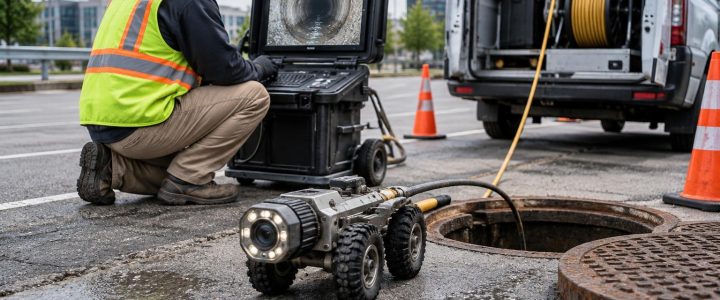
Physical exposure can reveal observable material and configuration, but crews should avoid assumptions. A visible section may not represent an entire utility run, and coating, corrosion protection, duct banks, casings, or prior repairs can affect what is seen. Where pipe condition is the question, additional investigation, such as video pipe inspection, may be more appropriate than a test hole alone.
3. Water, slurry, and disposal planning
Hydro excavation produces slurry that must be contained, transported, and managed appropriately. The project team should consider water source, tank capacity, disposal options, local requirements, and the possibility of contaminated soil or groundwater. Air excavation may reduce slurry generation, but it still creates spoil that must be handled and may require dust-control measures.
4. Access, traffic, and work-zone limits
Vacuum trucks need safe access, hose routing, and room for setup. In a tight urban corridor, the available lane closure, sidewalk access, overhead clearance, traffic controls, and distance from truck to test hole can affect the work plan. A test hole in a landscaped area has different restoration needs than one through pavement, concrete, or a busy loading zone.
5. The required deliverable
For a contractor, a daylighted utility may be needed to establish a safe excavation approach. For an engineer, the same exposure may need documented size, material, depth, coordinates, and surveyed elevation for design. State the intended deliverable before fieldwork begins so the crew knows what must be exposed, measured, photographed if required by the project, and reported.
How vacuum excavation supports Quality Level A investigations
In the ASCE 38-22 framework, Quality Level B information involves the application of appropriate surface geophysical methods to designate utilities. Quality Level A involves the highest level of accuracy and is based on the exposure and precise measurement of the utility at a specific point. The ASCE 38-22 standard and Federal Highway Administration guidance on Subsurface Utility Engineering both describe the value of physical utility verification in reducing uncertainty for design and construction.
That does not mean every vacuum excavation hole automatically meets every Quality Level A requirement. The scope, measurements, survey control, documentation, and investigation methods must match the applicable project requirements. A vacuum excavation contractor can physically expose the target, while survey and SUE professionals provide the measurement and documentation needed for the planned deliverable.
On a coordinated investigation, Subsurface Utility Engineering and QL-B designation can help identify likely utilities and conflict areas before the team commits to test-hole locations. That approach is generally more useful than excavating random holes based only on incomplete records.
A practical workflow for utility daylighting services
- Define the decision. Identify why the utility needs verification: proposed excavation, utility conflict, new connection, HDD crossing, roadway work, or design profile.
- Review available information. Compare utility records, design drawings, visible appurtenances, prior survey data, and planned work limits. Treat records as useful inputs, not proof of actual field conditions.
- Complete designation and risk planning. Use appropriate locating and SUE methods to identify targets, select test-hole locations, and plan safe excavation.
- Select air or hydro excavation. Base the choice on soil, utility sensitivity, water management, site access, and restoration needs.
- Expose only what is needed. Daylight enough of the facility to make the required observations without expanding the excavation unnecessarily.
- Measure and document. Record the observed utility characteristics, depth measurement, reference points, and any survey data required by the project.
- Communicate the result. Compare field findings against plans and alert the project team to conflicts, unexpected utilities, or information that could affect design and means and methods.
- Restore the area. Backfill and restore according to the project requirements after the necessary verification is complete.
Common mistakes to avoid
- Using an estimated locate depth as a design elevation. An instrument estimate is not a surveyed elevation of an exposed utility.
- Failing to state the required data before mobilization. A hole may expose a pipe, but the project may still lack diameter, invert, top-of-pipe, coordinate, or crossing data needed for design.
- Assuming one exposure defines an entire route. Utilities can change depth, direction, material, or configuration between test holes.
- Choosing a method without planning spoil management. Hydro slurry and dry spoil both need a handling plan.
- Ignoring access and traffic needs. A safe, productive daylighting operation depends on the work zone as much as the excavation method.
- Treating vacuum excavation as damage-proof. Proper planning, trained operators, careful exposure techniques, and site-specific safety procedures remain essential.
FAQ: choosing a utility test-hole method
Is hydro excavation always faster than air excavation?
No. Hydro excavation may loosen some compacted soils more efficiently, but production depends on soil, groundwater, utility congestion, hose distance, water supply, disposal logistics, access, and the care required around the target utility.
Can a vacuum excavation test hole confirm utility depth?
It can allow the team to measure the depth of an exposed utility from a defined surface reference. If the project needs a precise elevation tied to a design datum, survey control and appropriate survey procedures are needed.
Can air or hydro excavation identify utility material?
Physical exposure can allow observation of visible material and configuration. It may reveal pipe type, conduit arrangement, casing, or outside diameter. However, the observed portion may not represent every section of the line, and some features may remain concealed.
When should a contractor request utility daylighting?
Consider utility daylighting when a planned excavation, bore, structure, or connection comes close to a known or suspected utility; when records conflict; when vertical separation at a crossing is unknown; or when the project needs field verification before proceeding.
Plan the test hole around the project decision
Air excavation and hydro excavation are both useful tools for exposing underground utilities. The right method is the one that safely supports the required verification while accounting for soil, access, utility conditions, work-zone controls, restoration, and material handling.
Visionary Subsurface Solutions provides vacuum excavation and Quality Level A services for contractors, engineers, and facility teams throughout Pennsylvania, New Jersey, Delaware, Maryland, New York, and the Washington, D.C. to New York City corridor. Contact our team to discuss your utility daylighting, test-hole, or subsurface verification needs before work begins.