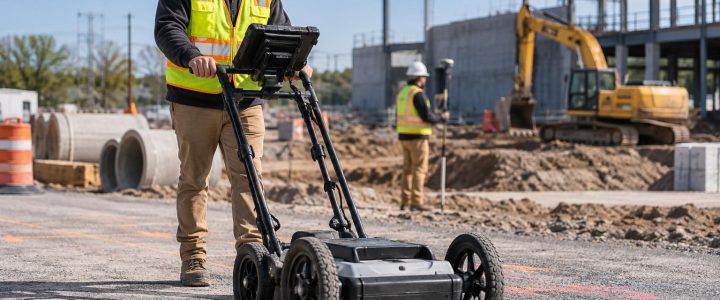
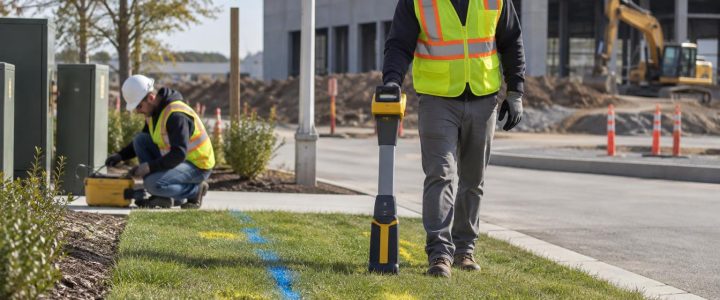
Ground-penetrating radar (GPR) is a non-invasive geophysical method used for subsurface investigation. It works by emitting high-frequency electromagnetic pulses into the ground and then analyzing the reflected signals to create a detailed image of subsurface features. Here’s how it can be used to detect clandestine graves:
-
Changes in Subsurface Density: When a grave is dug and a body is buried, it disrupts the natural density and composition of the soil. GPR can detect these changes in density, as the radar waves reflect differently off the disturbed soil as compared to the more compact undisturbed soil surrounding the site.
-
Anomalies in Soil Layers: GPR can identify anomalies or disruptions in the soil layers that indicate the presence of a buried object. These anomalies might include disturbances caused by the digging and refilling of a grave, as well as any changes in soil composition due to the decomposition processes.
-
Reflection Patterns: Different materials reflect radar waves differently. A buried object that is not native to the environment will reflect radar waves differently than the surrounding soil, leading to distinct patterns in the GPR data that can be interpreted by experts.
-
Depth Estimation: GPR can provide information about the estimated depth of buried objects. By analyzing the time it takes for the radar waves to travel to the buried object and back to the surface, experts can estimate the depth of the grave. Though this estimation is not a precise measurement, it can provide insight for investigators to appropriately plan the next steps in their investigation.
-
Ground Disturbance: In addition to detecting the grave itself, GPR can also identify signs of ground disturbance, such as areas where soil has been recently dug up and then replaced. This can provide further evidence of clandestine burial activity.
Overall, while GPR can be a valuable tool for detecting clandestine graves, its effectiveness can vary depending on factors such as soil composition, burial depth, and the presence of other underground features. It is often used in combination with other forensic techniques and investigative methods to locate and investigate clandestine burial sites.