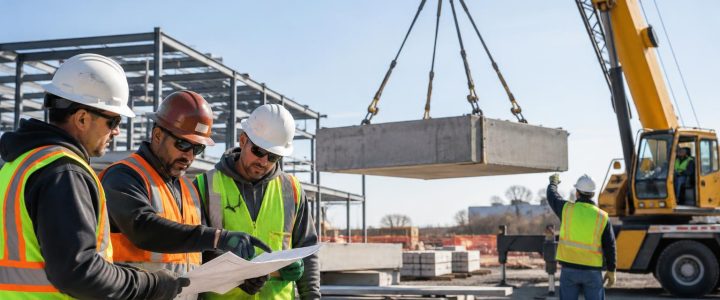
Construction near existing sewer, stormwater, and drainage systems can create disputes when a pipe later backs up, leaks, settles, or fails. Was the damage already present? Did nearby excavation, drilling, paving, or heavy equipment contribute? Without a documented baseline, that question can be difficult to answer.
A pre-construction CCTV pipe inspection gives contractors, engineers, owners, and facility managers a visual record of accessible pipe conditions before work begins. The inspection can document observed defects, debris, connections, flow conditions, and other notable features inside a pipe. It is especially useful where planned work is close to aging utilities, active facilities, drainage structures, or unknown underground infrastructure.
This is not simply a sewer camera check. When planned well, a pre-construction CCTV pipe inspection can support risk planning, protect project records, identify maintenance needs, and help teams decide when additional locating, cleaning, survey, testing, excavation, or engineering review is appropriate.
Why document underground pipe conditions before construction?
Many underground pipes remain in service while a project is underway. A storm sewer may carry runoff from an active parking area. A sanitary line may serve occupied buildings. A culvert may be the only drainage path through a site. If the system has undocumented defects before construction, those pre-existing conditions may be mistaken for construction damage later.
Baseline video documentation is commonly valuable before:
- Site clearing, grading, trenching, or mass excavation
- Roadway reconstruction, paving, or compaction work
- Building additions and redevelopment projects
- Directional drilling, utility installation, or utility relocations
- Work near manholes, inlets, cleanouts, headwalls, and culverts
- Rehabilitation of adjacent water, sewer, or stormwater infrastructure
- Property acquisition, lease improvements, or facility expansion
- Construction activity near older clay, concrete, corrugated metal, or plastic pipe systems
The goal is not to assign blame in advance. It is to establish what could be observed at the time of inspection and preserve that information in an organized project record.
What a pre-construction CCTV pipe inspection can show
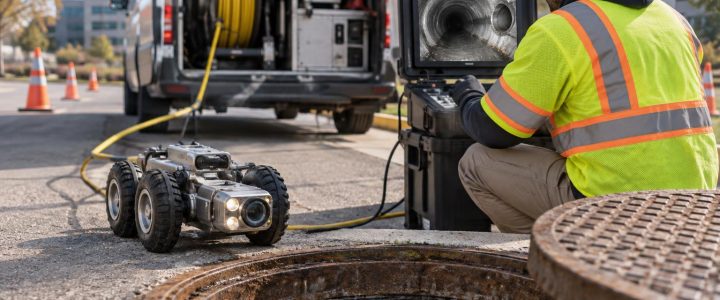
Professional video pipe inspection uses a camera system introduced through a suitable access point, such as a manhole, cleanout, inlet structure, or other opening. Depending on pipe size, configuration, and access, the system may use a push camera, tractor-mounted robotic camera, or another appropriate platform.
Video inspection can help document visible conditions such as:
- Cracks, fractures, breaks, holes, and surface deterioration
- Open, offset, separated, or displaced joints
- Deformation, sagging indicators, or visible pipe-wall distress
- Root intrusion, grease, sediment, debris, and other obstructions
- Construction materials or foreign objects inside the line
- Visible infiltration at joints or defects when conditions allow it to be seen
- Standing water, restricted flow, or evidence of deposits
- Pipe connections, laterals, taps, and changes in pipe material or diameter
- Accessible pipe ends, blind connections, or apparent changes in route
For a contractor working beside an existing system, these observations can reveal practical concerns before equipment arrives. For example, a line may already contain heavy sediment that restricts the camera view and flow capacity. A manhole connection may show visible deterioration. A pipe may have a significant offset joint near a proposed crossing. These are issues worth recognizing early, even when the inspection alone cannot establish their cause or structural significance.
Pipe inspection, pipe locating, and condition assessment are different tasks
These services often support the same project, but they answer different questions.
Video pipe inspection
CCTV inspection looks inside an accessible pipe. It provides visual evidence of observed features, connections, obstructions, and defects. It can often help establish the apparent route of a pipe between known structures, particularly when a sonde or transmitter can be tracked from the surface.
Pipe locating
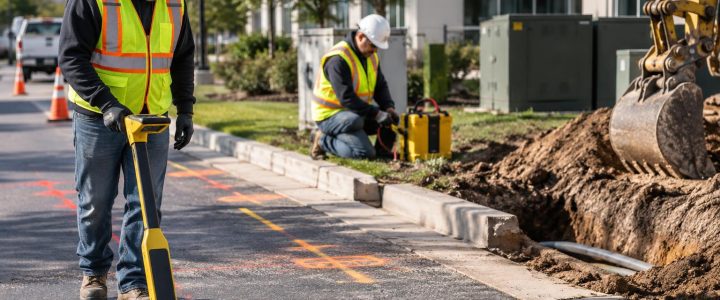
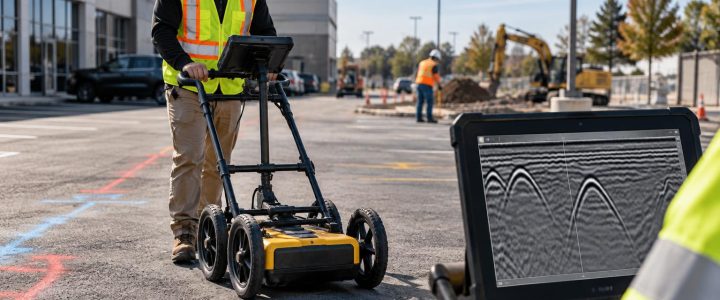
Pipe locating is used to estimate or map the horizontal path of a pipe or camera transmitter from the surface. Results can be affected by depth, soil conditions, access, interference, pipe material, congestion, and the ability to get a transmitter through the line. A camera inspection alone does not create a precise surveyed horizontal or vertical alignment.
Where pipe route information is needed for design or construction, teams may combine CCTV work with Private Utility Locating, survey control, and, when necessary, physical verification. These methods provide different levels of confidence and should be selected based on project risk.
Pipe condition assessment
A video record can identify an observed defect, but it does not automatically determine why that defect developed or whether the pipe has sufficient structural capacity. For example, a camera may show cracking, joint separation, or deformation. Determining the underlying cause may require records review, cleaning, flow testing, soil or groundwater investigation, measurement, test holes, or engineering analysis.
That distinction matters when planning repairs, evaluating a possible claim, or deciding whether a line can remain in service during construction.
How to plan a useful baseline inspection
The best time to plan the inspection is before the site logistics become difficult. Heavy construction can block access to manholes, cover structures, introduce debris into drainage systems, or make it harder to separate pre-existing conditions from recent events.
A practical pre-construction inspection plan usually starts with these steps:
- Define the purpose. Identify whether the work is intended to document existing conditions, investigate a known drainage issue, support a redevelopment design, verify an active connection, or establish a record near a high-risk work area.
- Identify likely access points. Gather available utility plans, as-builts, site maps, maintenance records, and structure locations. Field access may include manholes, cleanouts, inlets, junction boxes, or outfalls.
- Set the inspection limits. Specify which pipe segments, laterals, structures, and connections are within the area of concern. A broad request to inspect “the sewer system” can leave important limits unclear.
- Evaluate cleaning needs. Sediment, grease, roots, debris, and standing water can block the camera or hide defects. Cleaning may be needed before meaningful CCTV inspection can occur.
- Coordinate access and safety. Confirm access permissions, traffic control needs, facility operations, bypass requirements, and site-specific safety planning. Accessing a structure is not the same as entering it; confined-space work requires separate planning and controls when applicable.
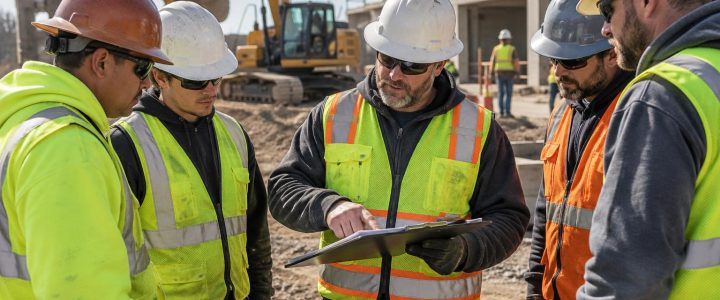
- Connect findings to project controls. Decide who will review the video, how findings will be tracked, and which observations should trigger design review, maintenance, additional locating, or physical verification.
What contractors should look for before work starts
A baseline inspection should be reviewed as more than a collection of video files. Contractors and project managers should focus on conditions that could affect construction sequencing, drainage performance, or later documentation.
Existing defects near planned work
Note cracks, broken pipe sections, visibly open joints, deformation, and suspected connection defects near proposed excavation, crossings, boring paths, or pavement work. Their presence does not prove imminent failure, but it can help the team avoid treating the pipe as if it were in undamaged condition.
Restricted access or flow
Heavy sediment, roots, grease, debris, or standing water may limit the usable capacity of a line and limit inspection visibility. If the pipe serves an occupied facility or active drainage area, the team may need a maintenance or contingency plan before construction affects the system.
Unclear connections and unexpected pipe paths
The camera may reveal connections that are not shown on available records, including laterals, abandoned-looking branches, junctions, or changes in material. These findings can support follow-up pipe locating, records review, or field verification. They should not be treated as a complete utility map without appropriate locating and survey work.
Evidence of previous repairs or construction activity
Patch repairs, grout, liner transitions, protruding connections, or materials inside the pipe can be important baseline observations. They may indicate that the line has been repaired, modified, or exposed to prior work, but video alone may not establish the timing or quality of that work.
Using inspection data for quality control and project documentation
For larger civil, municipal, and commercial projects, inspection data is most useful when it can be tied to a clear location reference. Depending on the project, that may include upstream and downstream structure identifiers, pipe segment IDs, footage, direction of travel, date, and visible observations.
A professional report may include:
- Inspection date, pipe segment identification, and access-point information
- Video files and still images of notable observations
- Observed pipe material, approximate diameter, and direction of inspection when identifiable
- Footage references for defects, connections, debris, and obstructions
- Notes on access limitations, cleaning needs, and sections that could not be inspected
- Location information where field locating or survey data was part of the scope
- Standardized coding when specifically requested and performed under the applicable methodology
For sanitary and storm sewer asset programs, standardized condition coding may be appropriate. NASSCO PACP is used for assessing pipes, while LACP addresses laterals. However, not every CCTV sewer inspection is a PACP or LACP assessment. Project teams should confirm the desired reporting standard, coding requirements, and deliverable format before the work begins.
When CCTV is not enough
Video inspection has clear field limitations. A camera may not travel through a completely collapsed pipe, severe blockage, tight bend, unsuitable diameter, damaged access point, or submerged section with poor visibility. Sediment and debris can conceal the pipe wall. Some laterals and branches may not be accessible from the available entry point.
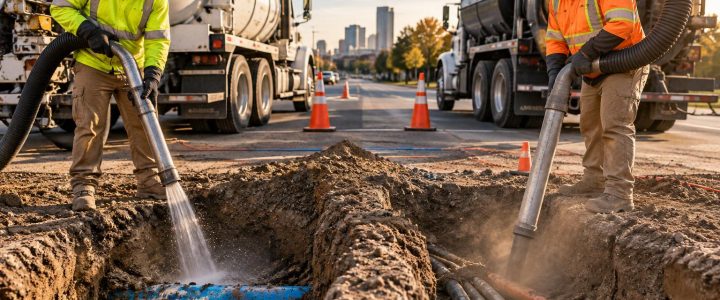
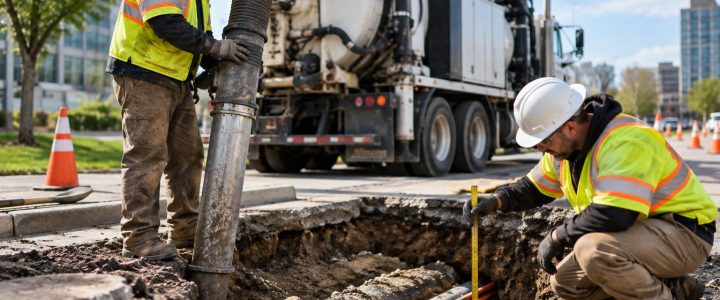
When the camera identifies a concern—or cannot reach the area that matters—additional services may be needed. These can include cleaning, surface locating, survey, dye testing, flow investigation, 3D structure documentation, or targeted vacuum excavation. For example, a test hole may be the appropriate next step when a project needs a physically verified pipe location, depth, material, or crossing relationship before excavation proceeds.
For accessible systems, Video Pipe Inspection can provide the visual starting point needed to make those follow-up decisions based on field evidence rather than assumptions.
FAQ: Pre-construction sewer and drain pipe inspections
Can a CCTV inspection prove that construction did not damage a pipe?
No. It documents observable conditions at the time of inspection. A clear before-and-after record may be useful project evidence, but determining cause or responsibility can require a broader review of construction activities, records, timing, soil conditions, and engineering information.
Can the camera locate the exact depth of a sewer or storm pipe?
Not by itself. A camera with a traceable transmitter can sometimes support surface locating, but accuracy depends on field conditions and method. Survey and physical verification may be needed where exact horizontal or vertical information is critical.
Should pipes be cleaned before a baseline inspection?
Often, yes. Cleaning can improve camera access and visibility when sediment, debris, grease, or roots obscure the pipe. The appropriate preparation depends on the pipe, its use, the suspected condition, and the project objective.
Is pre-construction inspection only for old pipes?
No. Older systems often have more unknown history, but newer pipes can also be affected by undocumented connections, incomplete cleaning, prior site work, or installation issues. Inspection is most valuable where the consequences of an unknown condition are significant.
Build the record before the site changes
Pre-construction CCTV pipe inspection is a practical way to understand accessible sewer and drainage infrastructure before nearby work alters the site. It helps project teams identify visible concerns, document existing conditions, coordinate follow-up investigation, and maintain a clearer record through construction.
Visionary Subsurface Solutions provides professional video pipe inspection for stormwater, sanitary sewer, drainage, and accessible underground pipe systems throughout Pennsylvania, New Jersey, Delaware, Maryland, New York, and the Washington, D.C. to New York City corridor. Contact our team to discuss the inspection scope, access conditions, and documentation needs for your project.