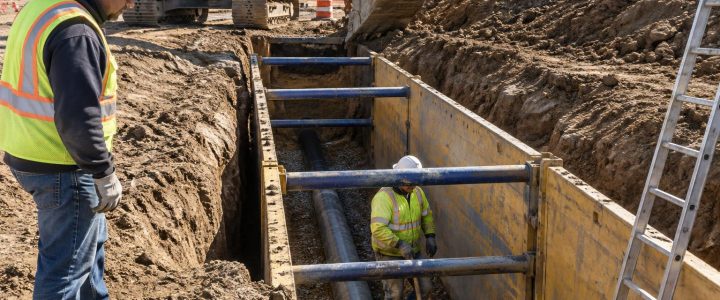
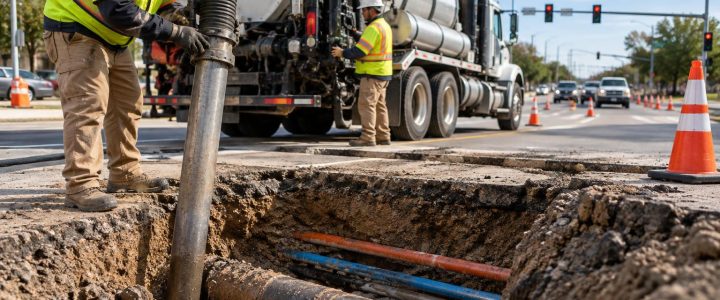
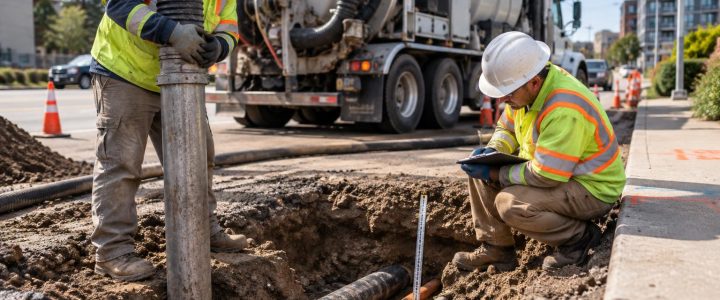
When a storm drain stops carrying water, a sanitary line begins backing up, or a newly paved area settles near a pipe route, construction-related pipe damage may be a concern. The cause could be a direct equipment strike, excessive loading, disturbed bedding, debris entering an open structure, or an unrelated pre-existing condition. A professional CCTV pipe inspection can help project teams see what is happening inside an accessible pipe before deciding whether to clean, repair, excavate, or perform further investigation.
For contractors and engineers, the key is to treat the camera inspection as one part of a disciplined investigation. Video can document visible conditions, connections, obstructions, and defects. It does not, by itself, prove who caused a defect, establish the pipe’s precise surveyed location, or determine the structural significance of every observed issue.
When should a suspected damaged pipe be inspected?
Arrange an underground pipe inspection promptly when field observations suggest that a storm sewer, sanitary sewer, culvert, or drainage line may have changed condition during construction. Early documentation can help the team understand the situation while work limits, recent activities, and access conditions are still clear.
Common triggers include:
- A new or recurring blockage, backup, surcharge, or slow-draining inlet.
- Settlement, cracking, or soft ground along a known or suspected pipe route.
- Excavation, grading, pile driving, compaction, boring, or heavy equipment activity near a pipe.
- A utility strike, unexpected pipe exposure, or equipment contact during excavation.
- Construction debris entering an open manhole, inlet, cleanout, or pipe end.
- Visible distress at a structure, such as a separated connection, damaged manhole channel, or displaced grate.
- A concern that a newly installed pipe was damaged before backfill, paving, or final acceptance.
- A planned repair that needs better information before crews open pavement or excavate.
A camera inspection is especially useful when the pipe remains accessible through manholes, inlets, cleanouts, or other suitable entry points. If the line is fully collapsed, heavily obstructed, or inaccessible, inspection reach may be limited. Cleaning, alternative access, test holes, or another investigation method may be needed first.
What a CCTV pipe inspection can show after construction activity
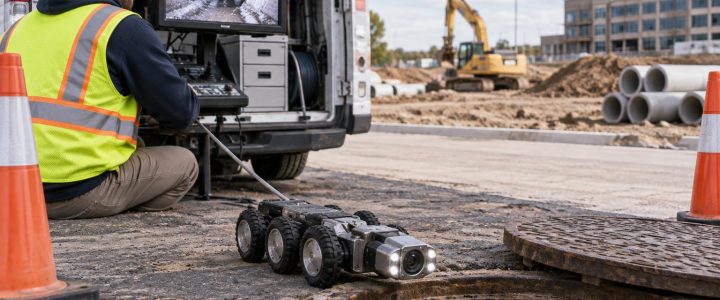
Professional video pipe inspection uses a camera system introduced through an available access point. Depending on pipe size, configuration, and access, the work may involve a push camera, a tractor-mounted robotic camera, or other specialized equipment. The operator records the interior view and logs observations as the camera travels through the line.
In an accessible and reasonably clean pipe, the inspection may identify:
- Cracks, fractures, holes, broken pipe sections, or visible wall loss.
- Deformation, flattening, buckling, or a partial collapse.
- Open, displaced, offset, or defective joints.
- Intruding gaskets, protruding laterals, or visible connection defects.
- Construction debris, sediment, grout, concrete, stone, wood, or other obstructions.
- Root intrusion, grease buildup, standing water, or accumulated material that restricts flow.
- Visible infiltration at joints or connections when conditions allow it to be observed.
- The apparent route of the inspected pipe, its accessible connections, and notable features along the run.
The inspection can provide valuable evidence of present condition. However, seeing a crack or offset does not automatically explain its cause. A defect may have existed before current work, may result from installation issues, or may be associated with soil movement, loading, age, corrosion, or other factors. Determining cause and structural significance may require record review, installation information, engineering evaluation, excavation, or additional testing.
A practical investigation workflow
1. Secure the immediate work area and preserve useful information
If a pipe failure creates a safety, flooding, or sanitary concern, address the immediate site risk under the project’s procedures. Avoid sending more material into a suspected damaged line. Record basic facts that may help the investigation: the date, observed symptoms, nearby work activities, weather conditions, locations of structures, and any known pipe records.
Photographs of surface conditions and accessible structures can complement the inspection video. They are not a substitute for a camera inspection, but they can help connect field observations to the pipe investigation.
2. Confirm access and prepare the line for meaningful viewing
Good video requires a view of the pipe wall and joints. Heavy sediment, debris, grease, roots, high water, or a blockage can prevent the camera from passing through the line or obscure the condition that needs evaluation.
Before mobilizing, identify available manholes, inlets, cleanouts, or access structures; approximate pipe size; flow conditions; and whether cleaning may be necessary. A cleaning crew may need to remove debris or restore camera access before the CCTV work begins. Cleaning should be planned carefully so the team does not mistake a newly disturbed condition for an original one.
3. Inspect from a known access point and document the run
A professional operator should identify the access point, direction of travel, available distance information, and visible structures or connections. For a suspected construction-damage investigation, it is helpful to clearly identify the area of concern and inspect beyond it when conditions permit. Damage may not be directly below the surface symptom, and an obstruction may have migrated downstream.
Inspection direction matters. A downstream-to-upstream run may be appropriate in some gravity systems, while field conditions and access may require a different approach. The provider should explain the feasible inspection plan and any limits encountered in the field.
4. Separate observations from conclusions
A useful report distinguishes what was observed from what should be investigated next. For example, “visible longitudinal crack at an approximate distance from the upstream manhole” is an observation. “Failure caused by a specific compaction operation” is a conclusion that generally cannot be made from video alone.
This distinction protects the project team from overreading the footage. It also gives engineers and owners a clearer basis for deciding whether to clean, excavate, survey, test, repair, or monitor the asset.
5. Tie the pipe finding to the correct field location
Distance readings from a camera can help orient the team, but they should not be treated as a precise surveyed horizontal or vertical position. Cable footage can be affected by slack, bends, offsets, and field setup. If crews need to excavate a specific defect, additional pipe locating, survey control, or physical verification may be appropriate.
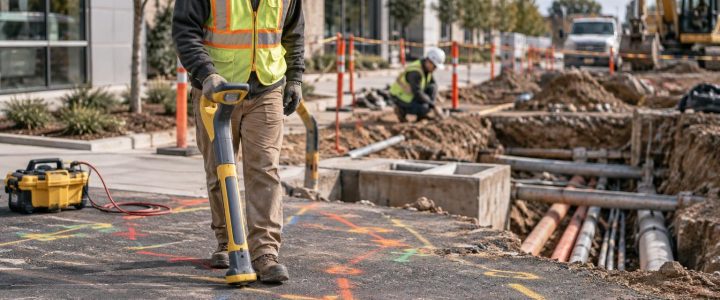
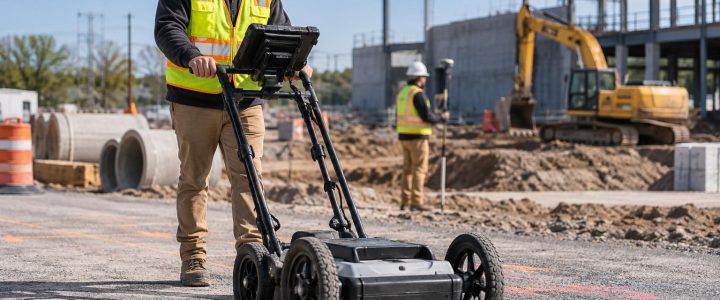
Where conditions allow, a sonde or other traceable signal associated with camera equipment may help establish an approximate surface position. For a design-quality or excavation-critical answer, coordinate with Private Utility Locating professionals and, where needed, use survey and nondestructive excavation methods to verify the feature.
Pipe inspection, locating, and condition assessment are different tasks
These services often support the same project, but they answer different questions.
- Video pipe inspection looks inside an accessible pipe. It can document visible defects, obstructions, connections, and the apparent path of the pipe from available access points.
- Pipe locating seeks to establish the surface route of a pipe or traceable feature. Its reliability depends on access, pipe material, available signal methods, congestion, depth, and site conditions.
- Condition assessment organizes observations into a useful basis for maintenance, repair, rehabilitation, or acceptance decisions. It may include standardized coding, engineering review, and comparison with project requirements.
For larger sanitary sewer programs, standardized coding systems such as NASSCO’s Pipeline Assessment Certification Program (PACP) can provide a consistent way to record and classify observed pipe defects. NASSCO describes PACP as a standardized condition-assessment system, while the U.S. Environmental Protection Agency recognizes condition assessment and asset information as important elements of utility asset-management planning. NASSCO PACP resources and the EPA’s asset management guidance are useful references for teams building repeatable inspection programs.
Not every CCTV sewer inspection is a PACP-coded inspection. If standardized coding, defect grades, or a specific client format is required, establish that scope before fieldwork begins.
What to request in a professional inspection deliverable
The right deliverable depends on whether the project involves a suspected strike, a construction quality concern, a drainage investigation, or a repair design. At a minimum, ask what the report will document and how locations will be referenced.
A practical video pipe inspection package may include:
- Inspection video labeled by pipe segment, structure, or access point.
- Still images of notable defects, obstructions, and connections.
- Observed distances and direction of travel, with appropriate field limitations noted.
- A log of visible conditions, including the point where camera progress stopped if the pipe could not be fully inspected.
- Descriptions of access points, pipe runs, and observed upstream or downstream structures.
- Recommendations for follow-up investigation, cleaning, locating, or repair planning when warranted by the observations.
For a post-construction or dispute-sensitive situation, project teams may also need a clear chain of documentation: access locations, inspection date, field conditions, cleaning performed before inspection, and any portions that were not visible. Complete documentation makes the limits of the inspection as clear as the findings.
Common mistakes to avoid
Assuming a camera can travel through any pipe
Severe offsets, collapses, tight bends, debris, sediment, high flows, and unsuitable access can stop a camera. A partial inspection still may be useful, but the uninspected portion should be identified rather than assumed to be sound.
Using video alone to select an excavation point
Camera distance is valuable context, not a replacement for locating and survey control. Confirm the excavation target when precision matters, particularly around other utilities, pavement, foundations, or active facilities.
Calling every visible defect a construction defect
Video documents current interior conditions. Establishing whether a defect is new, determining its root cause, and assigning responsibility may require pre-construction records, prior video, installation documentation, engineering review, and other evidence.
Skipping cleaning when the line is visibly obstructed
If sediment or debris blocks the view, an inspection may only confirm that an obstruction exists. Cleaning can be the step that reveals whether the issue is routine accumulation, construction debris, a damaged pipe, or another condition.
FAQ: CCTV inspection after suspected pipe damage
Can a sewer camera prove that construction equipment damaged a pipe?
Usually, no. It can document visible pipe conditions and may show damage consistent with a concern, but video alone generally cannot establish timing, cause, or responsibility. Compare findings with project records, prior inspections, site activities, and any needed engineering evaluation.
Can CCTV locate a storm drain pipe?
It can help establish the apparent route of an accessible pipe and identify structures, connections, and features along the run. It does not always provide a precise surveyed location. Pipe locating, survey, or vacuum excavation may be appropriate when a precise position is needed.
Should a new storm sewer be inspected before final acceptance?
Many owners, contractors, and engineers use post-installation CCTV pipe inspection as a quality-control and documentation tool. It can identify visible debris, connection issues, joint defects, or damage before the system is handed over. The exact acceptance requirements should follow the project specifications and owner requirements.
Make the next decision with better pipe information
When construction activity may have affected a stormwater or sanitary system, a timely CCTV inspection can replace guesswork with documented observations. It can help narrow the repair area, identify whether cleaning is needed, support communication among project stakeholders, and show where further locating, excavation, or engineering review is appropriate.
Visionary Subsurface Solutions provides professional video pipe inspection for accessible stormwater, sanitary sewer, drainage, and other underground piping systems across Pennsylvania, New Jersey, Delaware, Maryland, New York, and the Washington, D.C. to New York City corridor. Contact our team to discuss access conditions, project goals, and the information needed for your investigation.