
Before any shovel hits the ground on a new building development, one hidden but critical system can make or break your timeline and budget: the sanitary sewer. Developers often focus on architectural plans, zoning approvals, and structural engineering while overlooking the underground infrastructure that quietly supports it all. But sanitary sewer systems—especially older or undocumented ones—can contain surprises that spell disaster for your project if left unchecked. Roots, sags, fractures, and collapses in existing pipes may go unnoticed until the foundation is poured, at which point remediation becomes exponentially more expensive and disruptive. A thorough video inspection using NASSCO (National Association of Sewer Service Companies) standards is the only reliable way to expose these silent threats before they become construction nightmares.
NASSCO standards are not just bureaucratic red tape—they are a best-practice framework developed by experts to ensure consistency, accuracy, and objectivity in evaluating the condition of sewer assets. Without NASSCO’s PACP (Pipeline Assessment and Certification Program), video footage from a sewer inspection could be interpreted differently by every contractor, leading to missed problems or miscommunicated findings. For developers, that means risk. Video inspections following NASSCO guidelines provide a uniform grading system that clearly identifies the severity and location of defects. This allows engineers and contractors to make informed decisions, mitigate risks early, and ensure that any necessary repairs or replacements are completed before construction begins. Ignoring this step could lead to costly mid-project delays or, worse, long-term liability issues for the building owner.
The Hidden Truth About Building Rehab Projects: Your Sewer System Might Be a Ticking Time Bomb
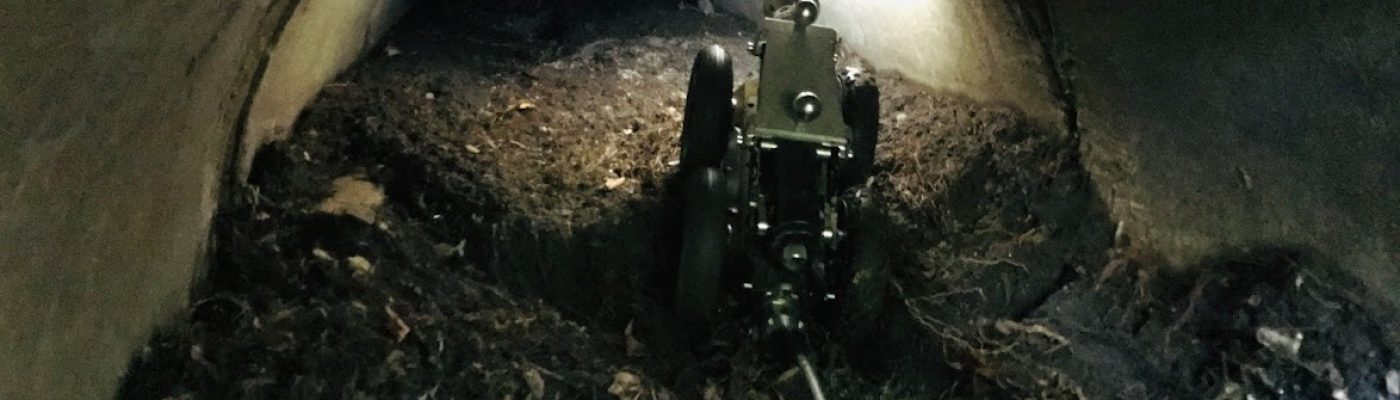
Renovating or repurposing older buildings is a trend that continues to rise, but these projects come with their own unique set of underground challenges. Unlike new construction, where infrastructure can be designed from the ground up, rehabilitation projects must contend with existing conditions that are often decades old—or worse, undocumented. The sanitary sewer system is frequently one of the most neglected components. Pipes that have endured years of corrosion, ground shifting, or improper maintenance can create hidden dangers. If these systems aren’t evaluated properly before rehabilitation begins, the entire project could be undermined—literally. Video inspection using NASSCO standards is the smartest way to uncover what’s going on below the surface and ensure your remodel isn’t built on a broken foundation.
In many cases, building rehab projects aim to increase occupancy, upgrade usage, or change the function of the building—adding pressure to the existing sewer infrastructure. A system that was barely holding up under prior usage may fail entirely when subjected to increased loads. A NASSCO-compliant video inspection doesn’t just look for active failures; it assesses the full lifecycle condition of the system. It identifies grade issues, intrusion points, sediment buildup, and even poor workmanship from past repairs. These details are essential for engineers tasked with designing upgrades or planning maintenance. Without this insight, you’re essentially gambling with the structural health of the entire building. Worse yet, if the system fails after the rehab is completed, you could face tenant displacement, emergency repair costs, and potential lawsuits—costs that make a proper inspection look like a bargain in hindsight.
Think It’s Just a Pipe? Think Again—How NASSCO Video Inspection Saves Money, Time, and Your Reputation
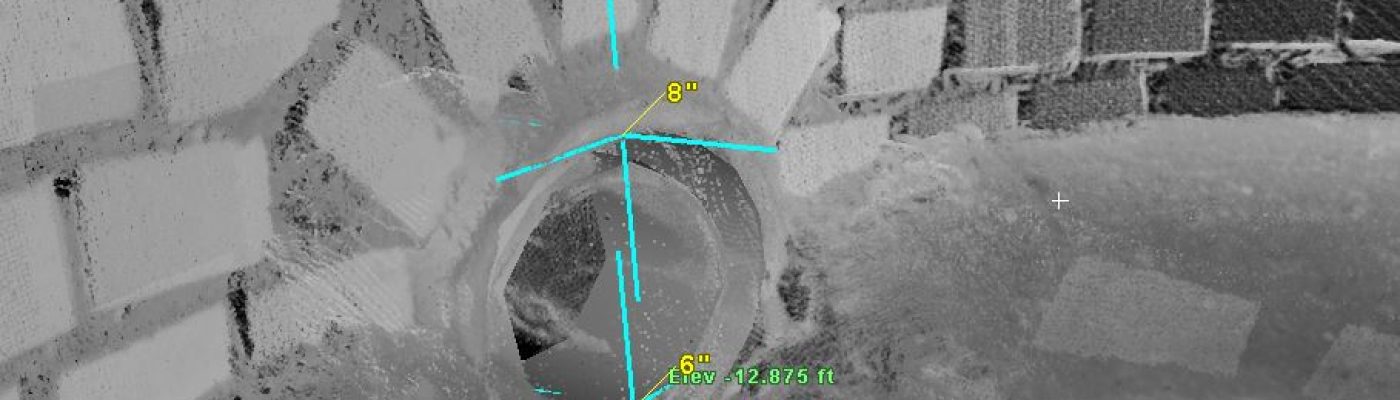
Too many developers and property owners make the mistake of thinking sanitary sewer systems are “out of sight, out of mind”—but failing to properly inspect and document these underground utilities can quickly turn a profitable project into a public relations and financial disaster. Whether it’s a new development or a renovation, problems with sewer systems often rear their heads in the form of street sinkholes, sewage backups, or failed inspections that can stall occupancy permits. When these issues are traced back to an overlooked or improperly assessed pipe, it damages not just your bottom line, but your reputation. Performing a video inspection to NASSCO standards isn’t just due diligence—it’s proactive risk management. It sends a clear signal to investors, municipal inspectors, and future tenants that your project is being executed with the highest degree of professionalism.
Moreover, the standardized data collected from a NASSCO-certified inspection doesn’t just sit on a hard drive collecting digital dust—it becomes a powerful asset in project planning and asset management. Engineers and civil planners can use this information to create accurate models for rehabilitation or replacement, determine the most cost-effective methods for intervention, and even negotiate with municipalities for shared infrastructure costs or upgrades. In short, the NASSCO video inspection becomes a foundational part of your planning process. It helps identify which pipes can be relined instead of replaced, which saves both time and money. It reveals whether trenchless technology can be used to minimize surface disruption. And it delivers all of this through a common language of codes and grading, which streamlines communication among all stakeholders. That’s a level of clarity and foresight you simply can’t afford to skip.


