
Working outside under the hot sun might be part of the job, but when temperatures rise, so does the risk of serious health complications. Heat exhaustion and heat stroke can strike fast, especially on construction sites where physical exertion, heavy gear, and minimal shade can push the human body beyond its limits. These conditions are not just uncomfortable—they can be dangerous, even deadly. That’s why it’s critical for construction workers and supervisors to understand how to recognize the signs, act quickly, and prevent these heat-related illnesses before they become emergencies.
Warning: These Symptoms Could Mean Serious Trouble
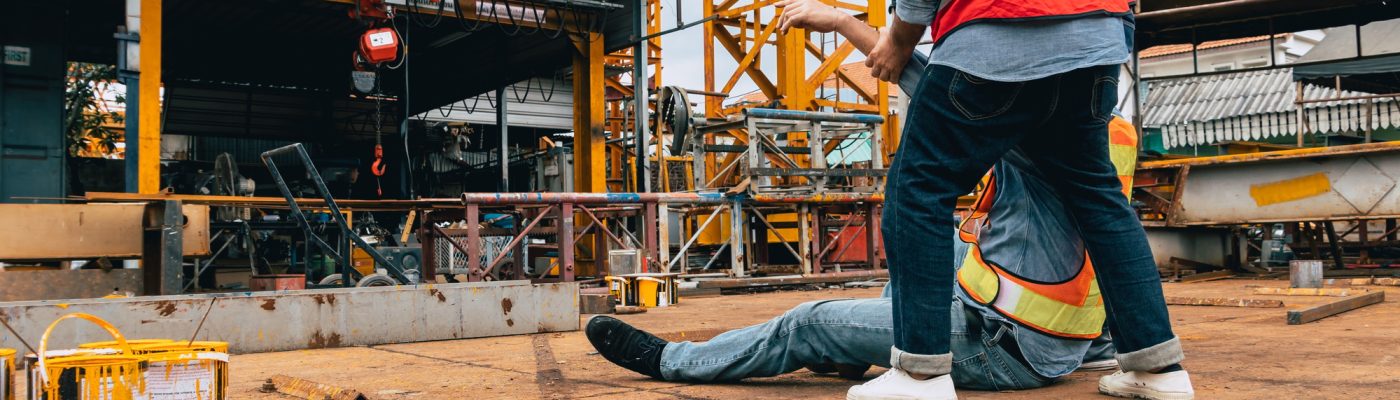
Heat exhaustion is often the body’s first cry for help when it’s overheating. It usually comes with subtle but dangerous signs like profuse sweating, fatigue, dizziness, headache, muscle cramps, and nausea. Workers may feel weak, clammy, or even confused—symptoms that can easily be mistaken for simple tiredness on a hot day. Unfortunately, brushing these warning signs aside can quickly escalate the situation. If not addressed immediately, heat exhaustion can lead to heat stroke, a much more serious and potentially fatal condition.
Heat stroke is a full-blown medical emergency. At this stage, the body’s cooling system shuts down completely, and internal temperatures can skyrocket above 104°F. Victims may stop sweating altogether and exhibit signs of confusion, slurred speech, seizures, or even loss of consciousness. Skin may feel hot and dry, the pulse may race, and coordination can fail. In the construction world—where quick reaction times and alertness are vital—heat stroke can be catastrophic, not just for the affected worker but for the entire team.
Act Fast or Call 911: How to Treat Heat-Related Illnesses

Treating heat exhaustion starts with one simple rule: cool the body down. The moment symptoms appear, it’s essential to move the person to a shaded or air-conditioned area and get them to rest. Remove excess clothing and apply cool, damp cloths to their skin. Encourage them to sip water or an electrolyte drink slowly—but not too quickly, especially if they’re nauseous. Most importantly, don’t let them push through it. Even mild symptoms need time and care to recover from properly.
If symptoms worsen or signs of heat stroke appear, it’s time to treat it as a 911-level emergency. Immediate medical attention is crucial. While waiting for paramedics, it’s vital to lower the person’s body temperature as quickly as possible. This can include ice packs placed under the armpits and groin, dousing the body with cold water, or using fans to help with evaporative cooling. Do not give fluids if the person is unconscious or vomiting. Every second counts—delaying treatment could lead to organ damage or death.
Beat the Heat Before It Beats You

Prevention is the most powerful tool in the fight against heat-related illnesses. The key is planning ahead. Hydration must begin before the workday starts and continue throughout the day—thirst is not a reliable indicator. Workers should aim to drink small amounts of water every 15 to 20 minutes, not just during breaks. Scheduling the heaviest work for early morning or late afternoon when temperatures are lower can also reduce the risk of heat illness. And rotating tasks or using shade structures during peak heat hours can give the body a chance to recover.
Proper attire matters more than people think. Light-colored, loose-fitting clothing helps reflect heat and allows sweat to evaporate, which is the body’s natural cooling system. Employers should provide access to shade and cool-down areas, and everyone on site should be trained to recognize heat illness symptoms—not just in themselves, but in their coworkers too. The “buddy system” can be a lifesaver: many heat illness victims don’t recognize their own symptoms until it’s too late.
Make Heat Safety Part of the Job, Not an Afterthought

Heat illness prevention should be built into the jobsite culture, not treated like an optional safety measure. Toolbox talks about heat safety, posted reminders about hydration, and daily assessments of weather conditions can all help. Supervisors should monitor workers for signs of heat stress and encourage regular water and rest breaks. In extreme heat conditions, consider implementing a formal heat illness prevention program and ensure that all crew members understand the signs and treatment options.
Don’t overlook acclimatization, especially at the start of summer or for new workers. The body needs time to adjust to working in the heat—usually over the course of 7 to 14 days. Jumping straight into full-blown outdoor labor without acclimation drastically increases the risk of heat exhaustion or stroke. Start slow and gradually increase workload and exposure. It’s a simple step that can save lives.
When It Comes to Heat, Smart Beats Tough

In the high-stakes world of construction, toughness is part of the job—but when it comes to heat, being smart is far more important. Understanding the symptoms of heat exhaustion and heat stroke, acting fast when they appear, and taking daily steps to prevent them altogether is the best way to protect lives and keep projects on track. As the summer sun beats down, don’t let pride, pressure, or poor planning put you or your crew in harm’s way. Be alert, stay hydrated, and make heat safety as much a part of the job as your hard hat and steel-toed boots.


