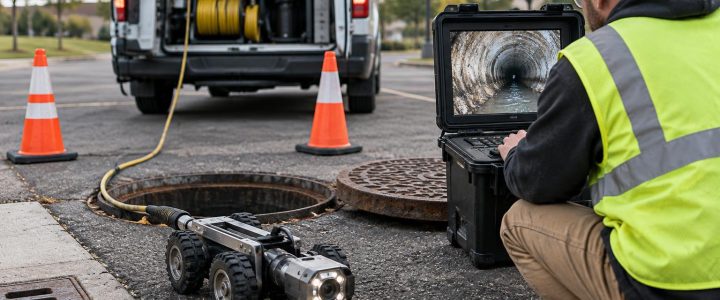
Historic properties are treasures of the past, preserving architectural charm, cultural significance, and a glimpse into history. However, when it comes to renovation, landscaping, or even simple maintenance, these properties can pose an unseen danger—buried underground utilities. Unlike modern properties with detailed records, older sites often have undocumented pipes, wires, and drainage systems lurking beneath the surface. One wrong move with a shovel or drill can lead to costly damage, safety hazards, or even the destruction of irreplaceable historical features.
Before undertaking any excavation on a historical property, it’s critical to locate and map underground utilities. This process isn’t as straightforward as dialing 811 and having a technician mark the ground. On aged properties, infrastructure may be made of outdated materials, have shifted due to settling over centuries, or be entirely untraceable with standard detection methods. To avoid disaster, professionals and property owners must use a blend of modern technology, historical research, and expert techniques. In this blog, we’ll explore the challenges of locating underground utilities on historic sites and the best practices to ensure a safe and successful project.
Unraveling the Mystery: Why Historical Properties Make Utility Location a Challenge
When dealing with a historic site, the first hurdle is understanding the inconsistencies of past construction practices. Unlike modern buildings that adhere to standardized codes, older properties were developed under varying regulations—or none at all. Some underground lines may have been laid by private owners, municipal authorities, or even defunct utility companies, leading to a chaotic underground network.
Another significant factor is the materials used in older utility lines. Many historic properties feature clay, cast iron, lead, or even wooden pipes, which differ significantly from today’s plastic or metal pipelines. These outdated materials are often harder to detect with modern equipment, such as electromagnetic locators, which rely on conductive properties. This means that traditional detection methods could miss key pipelines entirely, increasing the risk of excavation accidents.
Additionally, historical properties often undergo multiple renovations and modifications over decades or centuries. What was once a stable underground infrastructure could have shifted due to soil erosion, seismic activity, or the natural settling of the land. This makes historical research and on-site surveys just as crucial as modern detection tools when trying to locate underground utilities. A misstep in understanding these complexities could lead to severe consequences, from damaged property to major legal liabilities.
The Power of Historical Records: How Old Maps and Documents Hold the Key
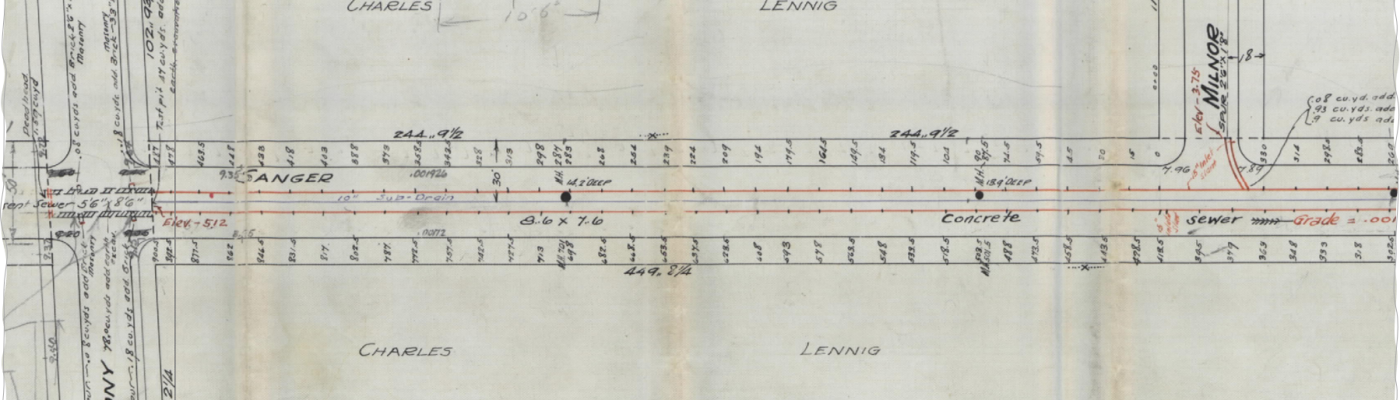
When technology fails to detect hidden infrastructure, history itself can come to the rescue. Researching old records, maps, and blueprints is one of the most effective ways to piece together where underground utilities might be hiding. Many historic properties have archives that document the evolution of the land, including details on original plumbing, electrical lines, and drainage systems.
One of the best resources for this research is local government archives. Many cities and counties maintain public records dating back hundreds of years, which can provide insight into how infrastructure was installed and altered over time. Even if official records are incomplete, property deeds, fire insurance maps, and historic photographs can help form a clearer picture. Organizations such as historical societies, museums, and even long-time residents may also have valuable knowledge about past construction projects.
However, historical records must be approached with caution. Maps may be hand-drawn, outdated, or inaccurate due to changes made over the years. Additionally, some records may only reference major utilities while omitting privately installed lines. Cross-referencing multiple sources and verifying findings with on-site assessments is key to ensuring accurate results. The combination of old-world documentation and modern scanning techniques provides the best chance of locating every hidden utility safely.
Cutting-Edge Detection: Using Advanced Technology to See Beneath the Surface
![3Dscan_mining_tunnel[1]](https://visionaryss.com/wp-content/uploads/elementor/thumbs/3Dscan_mining_tunnel1-qzzwjp8p3u55gj60gtaax51scj2yegmtp8fbumb25c.png "3Dscan_mining_tunnel[1]")
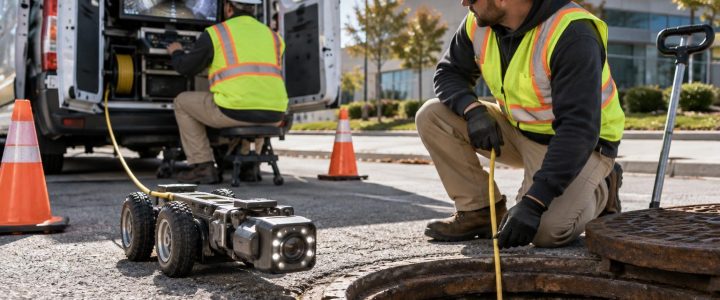
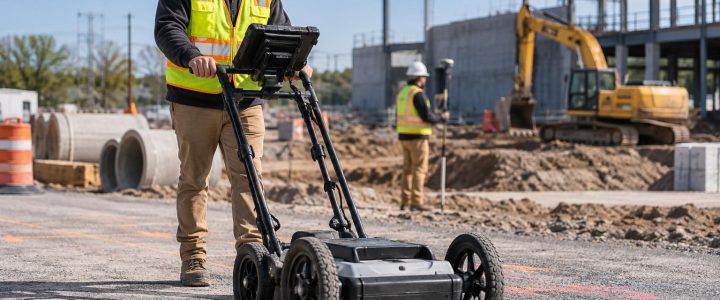
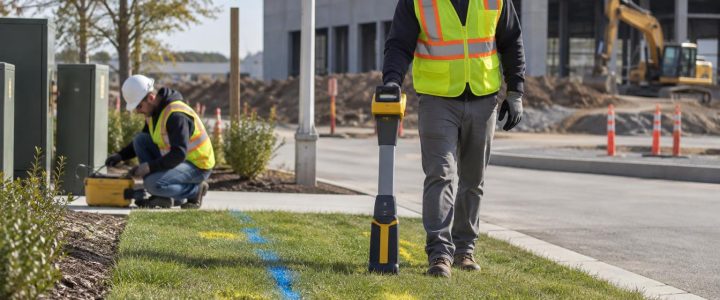
While historical records provide a foundation, modern technology is essential for precise underground utility location. Ground-penetrating radar (GPR) is one of the most effective tools for mapping underground infrastructure on historic sites. Unlike electromagnetic locators, which rely on metal conductivity, GPR can detect non-metallic objects such as clay pipes and old wooden conduits. This makes it ideal for scanning historic properties where traditional detection methods fall short.
Electromagnetic induction (EMI) is another valuable tool, particularly for detecting metallic pipes, cables, and abandoned infrastructure. EMI can trace buried lines, even if they are no longer active, by identifying changes in the electromagnetic field beneath the ground. Combining this method with GPR allows for a more comprehensive underground map, reducing the likelihood of missing any crucial lines.
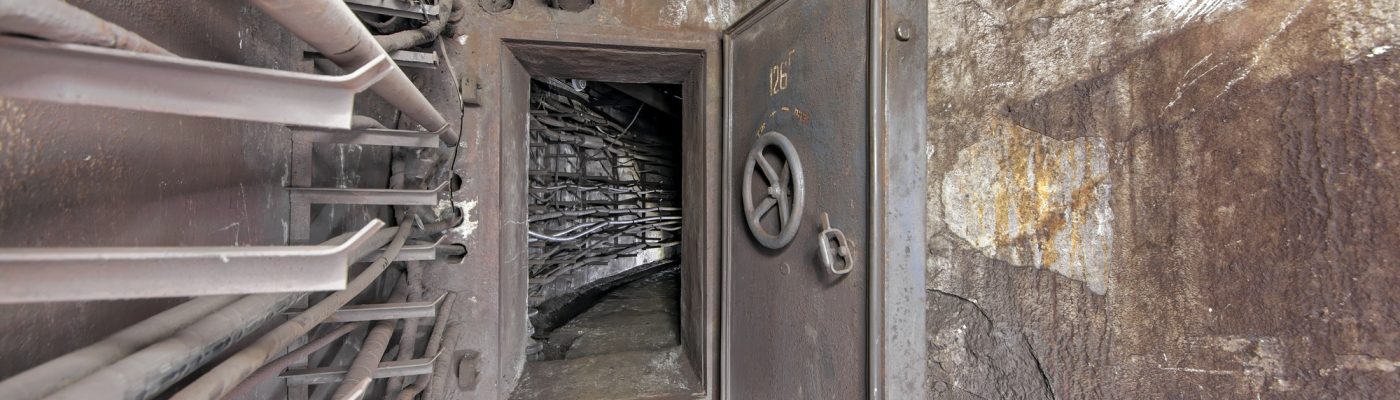
Drones equipped with LiDAR (Light Detection and Ranging) are becoming increasingly popular for surveying large historic properties. By using laser technology to detect subtle changes in terrain, LiDAR can reveal signs of underground disturbances, such as old trenches or collapsed conduits. Additionally, 3D mapping software can integrate multiple detection methods, creating a detailed underground visualization of the property. By leveraging these advanced technologies, utility location on historic sites becomes significantly safer and more accurate.
Digging with Care: Best Practices for Safe Excavation on Historic Properties
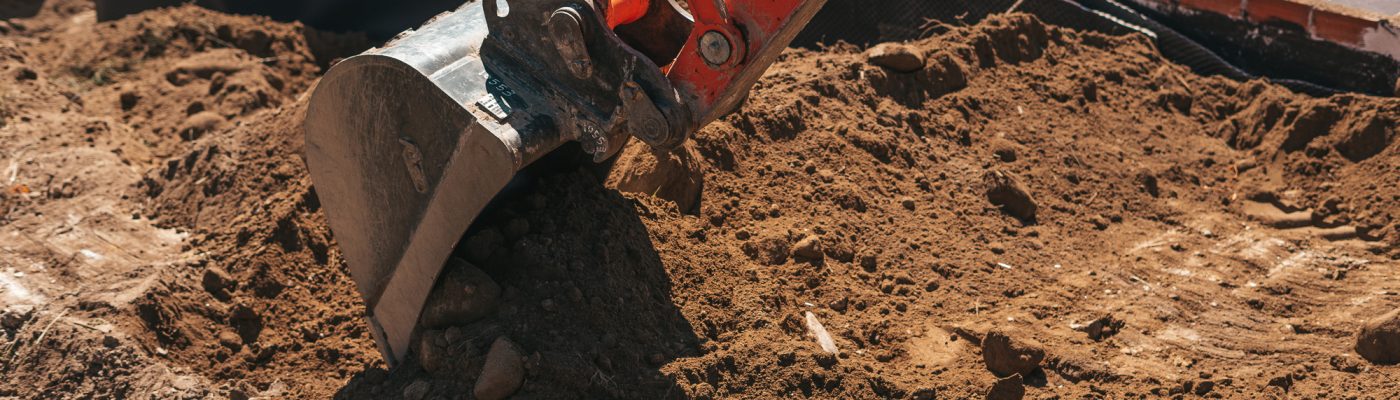
Even with thorough research and cutting-edge technology, excavation on a historic property must be approached with extreme caution. Unlike modern construction sites, where utilities are well-documented and clearly marked, historical properties require a slow and meticulous digging process to avoid damaging fragile underground systems.
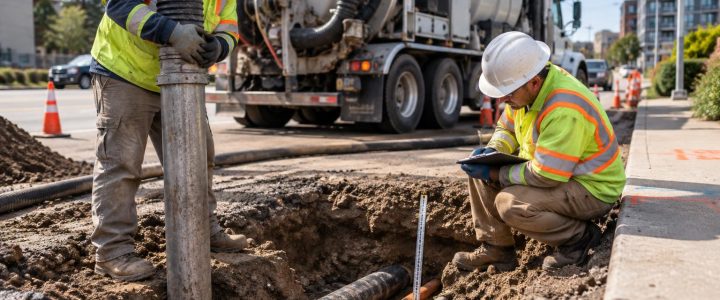
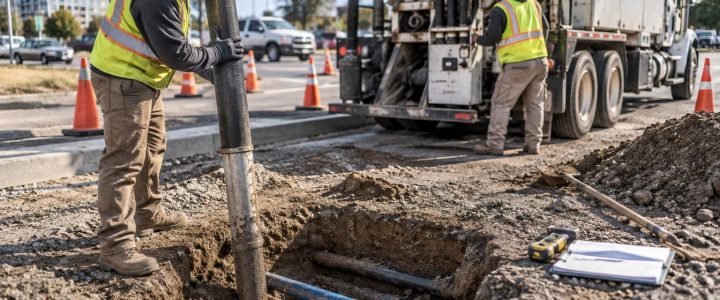
One of the best practices is to use hand tools for the initial excavation phase, especially when working near suspected utility lines. Mechanical digging equipment, such as backhoes or trenchers, can cause significant damage if they strike an unknown pipe or cable. Soft digging methods, such as hydro excavation (using pressurized water to break up soil) or air vacuum excavation, are safer alternatives that reduce the risk of damaging underground infrastructure.
Collaboration with experienced professionals is also crucial. Historic preservation specialists, utility mapping experts, and archaeologists can provide valuable insights into potential hazards and the best excavation techniques for a given site. Additionally, working closely with utility companies, municipal authorities, and historical societies ensures compliance with preservation regulations and safety standards.
Finally, continuous monitoring during excavation is essential. If unexpected pipes, conduits, or artifacts are discovered, stopping work immediately and reassessing the situation can prevent further damage. In some cases, excavation permits may require reporting historical finds to authorities before proceeding. A well-planned and careful approach not only preserves underground utilities but also protects the integrity of the historic property.
Balancing Preservation with Progress
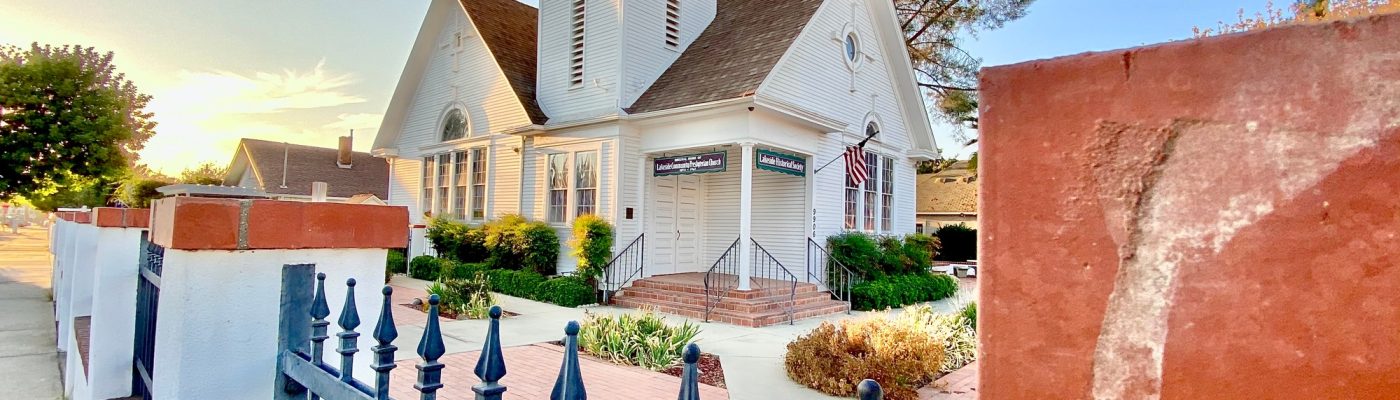
Locating underground utilities on historic properties is no easy task, requiring a blend of historical research, modern technology, and expert excavation techniques. Unlike contemporary construction sites, where utility mapping is relatively straightforward, historic properties present a unique set of challenges, from outdated materials to undocumented infrastructure. By carefully researching old maps, employing cutting-edge detection tools, and following best practices for safe excavation, property owners can avoid costly mistakes and ensure that history remains intact.
Preserving historic sites while making necessary improvements is a delicate balance. Rushing into excavation without thorough planning can result in irreversible damage to both the utilities and the property itself. However, by taking a methodical approach and enlisting the help of experts, property owners can successfully modernize their utilities without compromising the integrity of these cherished landmarks.
The next time you plan a renovation on a historic property, remember: what lies beneath could be just as important as what stands above. By respecting history and using the right tools, you can safeguard both the past and the future.