
When it comes to digging, drilling, or breaking ground, there’s a hidden layer of danger and complexity just beneath the surface—literally. Beneath our feet lies an invisible network of pipes, cables, and conduits that keep our modern world running. Hitting one by mistake can halt projects, cost thousands in repairs, and create serious safety hazards. But here’s the catch: not all companies that deal with underground utilities do the same thing. In fact, there’s a big difference between private utility locating companies and subsurface utility engineering (SUE) companies—and understanding that difference can be the key to avoiding costly mistakes and keeping your projects on track.
Private Utility Locating: The Fast-Response Underground Scouts
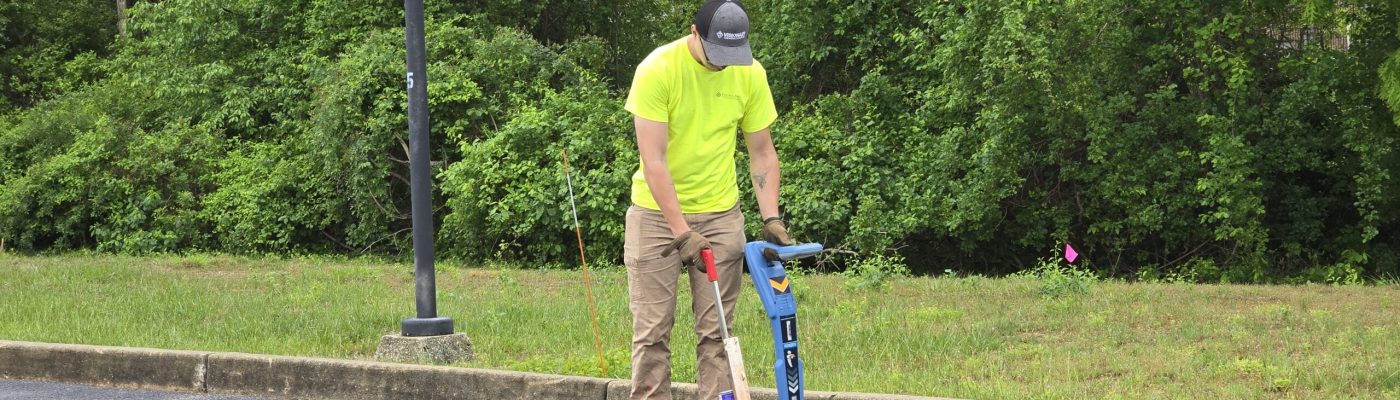
Private utility locating companies operate like the scouts of the underground world. Their main mission is straightforward: find and mark buried utilities that public “call before you dig” services often miss. These are typically privately owned lines, like those running between a business and its warehouse, a home’s power to an outbuilding, or private gas lines inside commercial complexes. Unlike state-run 811 services that only locate public utilities, private locators work for the property owner or contractor directly, ensuring that every utility—public or private—is accounted for before a shovel hits the dirt. They use a mix of electromagnetic locators, ground penetrating radar (GPR), and sometimes visual inspections to pinpoint where underground lines are hiding.
One of the defining traits of private utility locating companies is their speed and flexibility. They’re usually called in when time is tight, and projects can’t wait on lengthy scheduling delays. These companies excel at rapid mobilization, often delivering results within a day or two. But their scope is focused on detection and marking—not on providing detailed engineering data or integrating that information into a project’s design documents. They’re the right choice when you need quick answers about “what’s under here” so you can dig safely, but they aren’t typically involved in the broader design or planning process. Think of them as the emergency first responders of the underground utility world—they arrive fast, find the problem, and hand you the map.
Subsurface Utility Engineering: The Underground Architects of Certainty
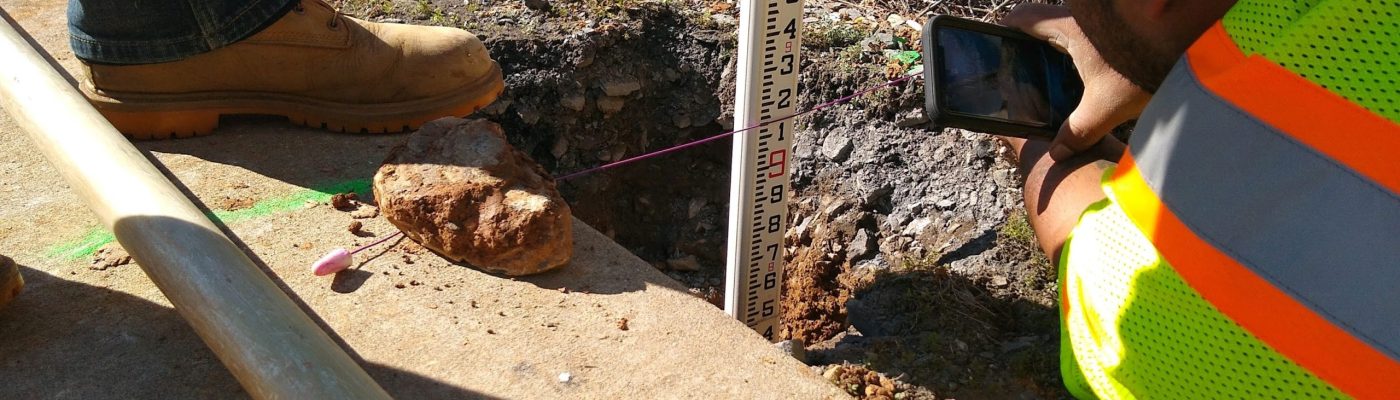
Subsurface utility engineering companies take things several levels deeper—literally and figuratively. Instead of just finding utilities, they provide a complete engineering service that collects, interprets, and integrates underground utility data into design and construction plans. SUE is not just about marking the ground; it’s about producing deliverables that engineers, architects, and construction managers can use to make informed, risk-reducing decisions. These deliverables often meet strict professional standards like ASCE 38-22, which defines different quality levels (QL-A through QL-D) for utility data depending on how it’s collected and verified.
SUE companies deploy a mix of advanced detection technologies, vacuum excavation for precise exposure, and robust data management processes. They don’t just tell you “there’s a pipe here”—they tell you what type of pipe it is, its exact depth, material, and condition, and they provide CAD or BIM-compatible files for project integration. Because SUE services are often tied to large-scale infrastructure and engineering projects, they work closely with design teams months before ground is broken. Their work minimizes utility conflicts, reduces change orders, and helps projects meet safety and regulatory requirements. If private utility locators are the scouts, SUE companies are the cartographers and engineers, producing detailed, official maps that projects depend on for success.
Where They Overlap—and Where They Absolutely Don’t
At first glance, it might seem like private locators and SUE companies do the same thing—they both find utilities, right? That’s true, but only at the most basic level. The key difference lies in their purpose, their deliverables, and their role in a project. Private locators focus on immediate field markings and quick answers, while SUE companies focus on engineering-level documentation and risk mitigation within the design phase. A private locator might come out the day before a dig to make sure the area is safe, while a SUE team might work on the same site months in advance to ensure the project plan already accounts for every utility in the area.
That said, there are times when their work overlaps. A SUE company might perform some private locating work as part of a larger scope, and a private locator might collect enough data for a small contractor to make simple design changes on the fly. However, relying on a private locator for a project that truly needs SUE deliverables can be a costly mistake. The absence of engineering-standard data can lead to unexpected utility strikes, last-minute design changes, and even legal liability. Likewise, calling a SUE company for a small, urgent dig might not be the best use of budget or time when a private locator could have solved the problem in hours.
Why Selecting the Right Company Could Save Your Project

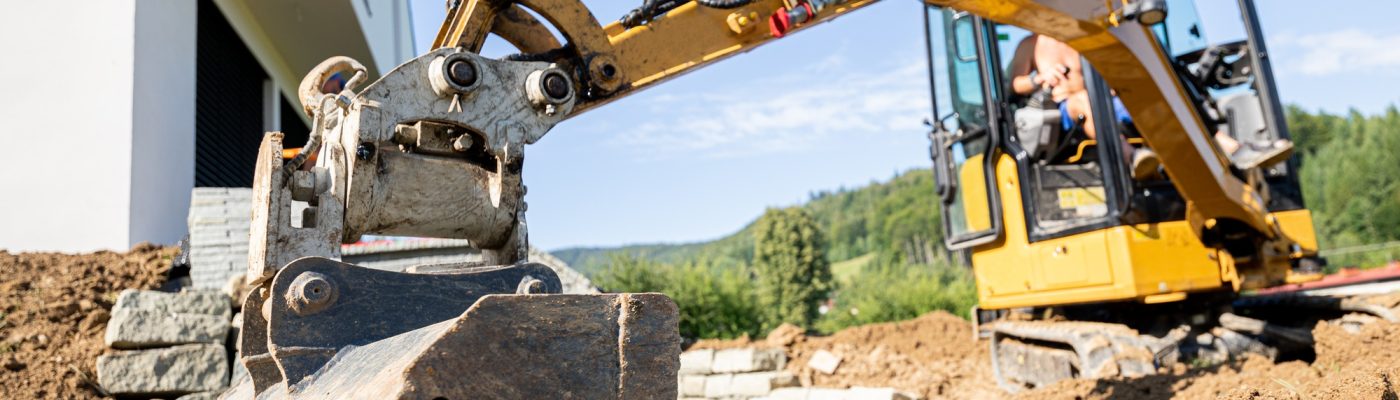
Every construction or excavation project has different needs, and knowing which type of company to call can directly affect safety, budgets, and timelines. For small, localized digs—like installing a fence, repairing a sewer lateral, or adding an electrical conduit—private utility locating is often the most efficient choice. They’ll get in, get the information, and get you digging with minimal delay. On the other hand, if you’re managing a multi-million-dollar infrastructure project, highway expansion, or new facility construction, you need the depth, accuracy, and accountability that SUE companies provide. This isn’t just about avoiding accidents—it’s about preventing design flaws that could cost months and millions to correct.
The wrong choice can create a domino effect of delays and expenses. Imagine breaking ground on a large project only to discover a major telecom duct bank running exactly where your foundation is planned. If that utility was missed because no SUE investigation was performed, you could be looking at redesign costs, permitting delays, and costly change orders—not to mention the safety risks. The upfront investment in the right service can prevent those headaches entirely, turning what could have been a major setback into a non-issue.
Visionary Subsurface Solutions is uniquely positioned to bridge the gap between these two worlds because we offer both private utility locating and subsurface utility engineering as distinct, specialized services. We understand that not every project needs the depth of a full SUE investigation, and likewise, not every project can be handled as a simple mark-out. Our team is equipped to respond quickly for urgent private locating needs while also providing the comprehensive, engineering-grade utility mapping required for large-scale infrastructure and design projects. This flexibility means our clients get the right solution for their specific situation—saving time, reducing risk, and ensuring that every project starts with a clear picture of what lies beneath.
The Bottom Line: They’re Not Interchangeable—And That’s the Point
Both private utility locating companies and subsurface utility engineering companies are essential players in keeping underground work safe and efficient, but they’re built for different roles. One thrives on speed and responsiveness, the other on depth and precision. By understanding these differences, project managers, engineers, and contractors can choose the right service at the right time, saving money, avoiding accidents, and keeping timelines intact. In the end, it’s not about which one is better—it’s about which one is better for the job in front of you.


