When most people think about underground utility services, they picture a technician arriving with a device, marking some lines with paint, and moving on to the next job. While this process is often described as “utility locating,” it only scratches the surface of what’s really possible when it comes to identifying and documenting underground infrastructure. Subsurface Utility Engineering (SUE) is a much deeper, more thorough process—more like a utility investigation than a simple private locate. By following standardized steps, implementing multiple technologies, and delivering precise data to engineers and project managers, SUE goes far beyond paint marks and provides the insights needed to prevent costly conflicts, redesigns, and project delays.
What Private Locating Leaves Out
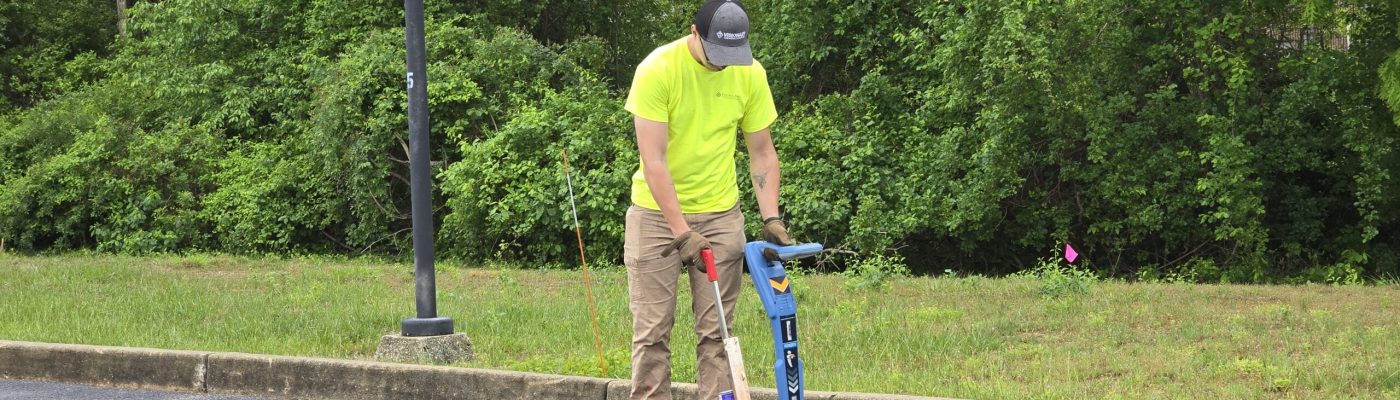
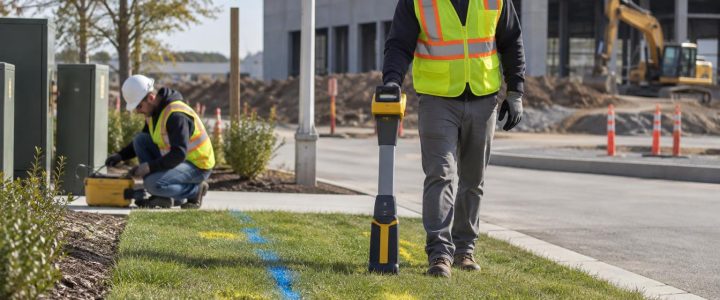
At first glance, a private utility locate seems like it provides the essentials. A technician arrives, uses electromagnetic equipment or ground penetrating radar, and marks utilities on the ground surface. This gives a contractor a sense of where buried infrastructure might be, and in many cases, that’s enough for small, low-risk projects. But the problem is that private locating companies typically stop there. They don’t investigate utility records in detail, they don’t provide survey-grade data, and they rarely validate their markings with multiple methods.
This limited approach means that while you may know something is in the ground, you don’t know exactly what it is, how deep it lies, or whether it’s active or abandoned. Private locates are often blind to the bigger picture. For instance, a locate might identify the presence of a plastic water line, but without the additional steps of SUE, it won’t confirm if it’s connected, how it intersects with other lines, or if design adjustments are needed. This is where the risk creeps in—projects built on assumptions instead of confirmed data are vulnerable to mistakes that can cost thousands of dollars and weeks of lost time.
By contrast, SUE practitioners approach the task like investigators piecing together a case. They don’t stop when a line is found—they continue gathering evidence, cross-referencing data, and building a complete profile of the underground environment. The difference is night and day: a private locate gives you temporary paint on the ground, while SUE delivers permanent, verifiable utility data that becomes part of the engineering record.
Inside the SUE Utility Investigation
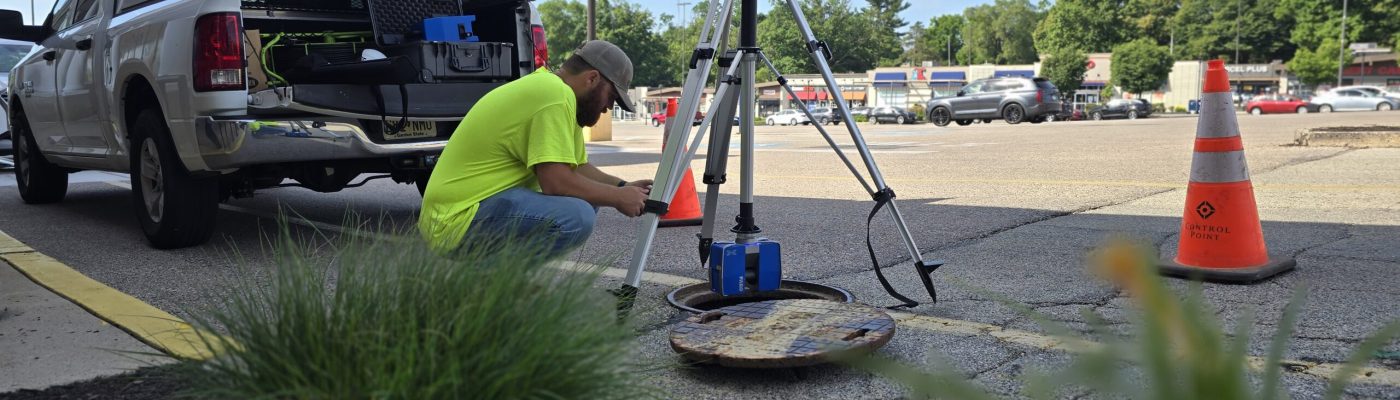
A true SUE investigation follows a structured, step-by-step process outlined in national standards such as ASCE 38. Each step is designed to reduce uncertainty and produce reliable results that engineers can design around with confidence. The process often begins with utility records research, where existing as-built drawings, maps, and historical documents are reviewed. Private locating companies almost always skip this phase, but it’s crucial for identifying where undocumented utilities might exist and for cross-checking physical findings against paper records.
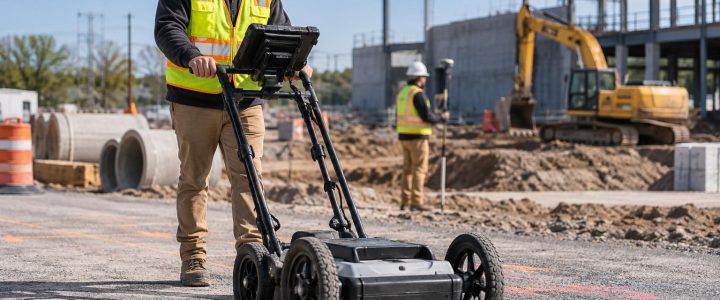
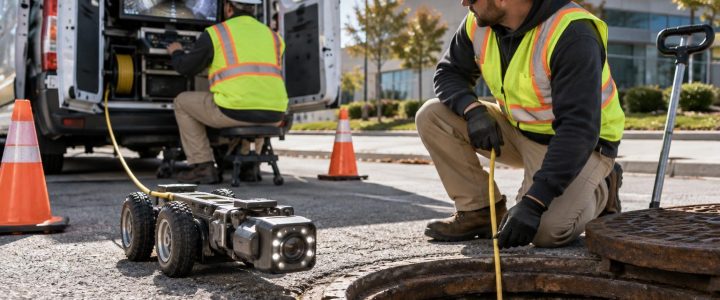
Next comes the geophysical survey phase, where multiple locating technologies are deployed—not just electromagnetic tools, but also ground penetrating radar (GPR), acoustic locating, and even magnetic or resistivity techniques if conditions call for them. Each method has strengths and weaknesses, and by layering them together, SUE teams can confirm the presence, depth, and alignment of utilities with far greater accuracy than a one-tool private locate. Private locators rarely take this multi-technology approach because it requires specialized training and equipment.
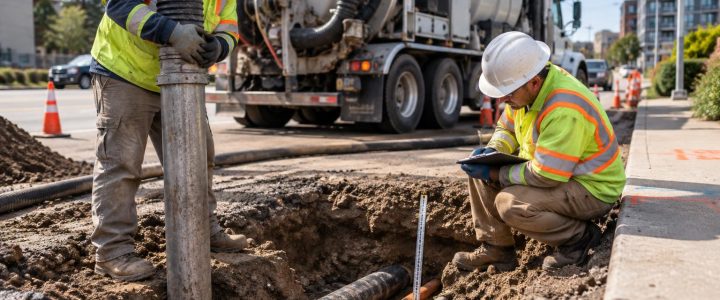
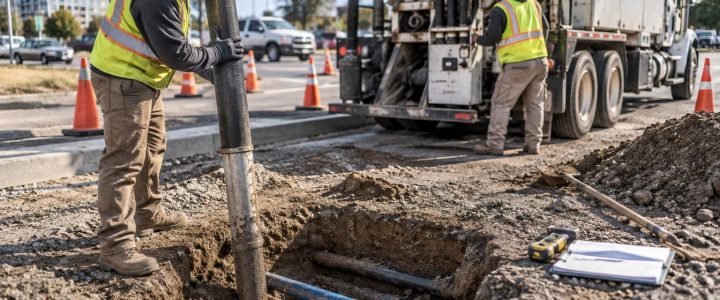
The investigation doesn’t stop there. Test holes or vacuum excavation are often performed to expose utilities directly, providing exact depth measurements and confirming material types. This step, called Level A in the SUE quality system, is the gold standard for accuracy. While a private locate would never take the time to physically verify utilities in this way, SUE practitioners recognize that design decisions—like how deep to trench or where to place foundations—demand certainty, not guesses. The combination of research, geophysical scanning, and direct verification transforms SUE into a true investigation, producing reliable intelligence instead of surface-level information.
From Paint Marks to Engineering Data
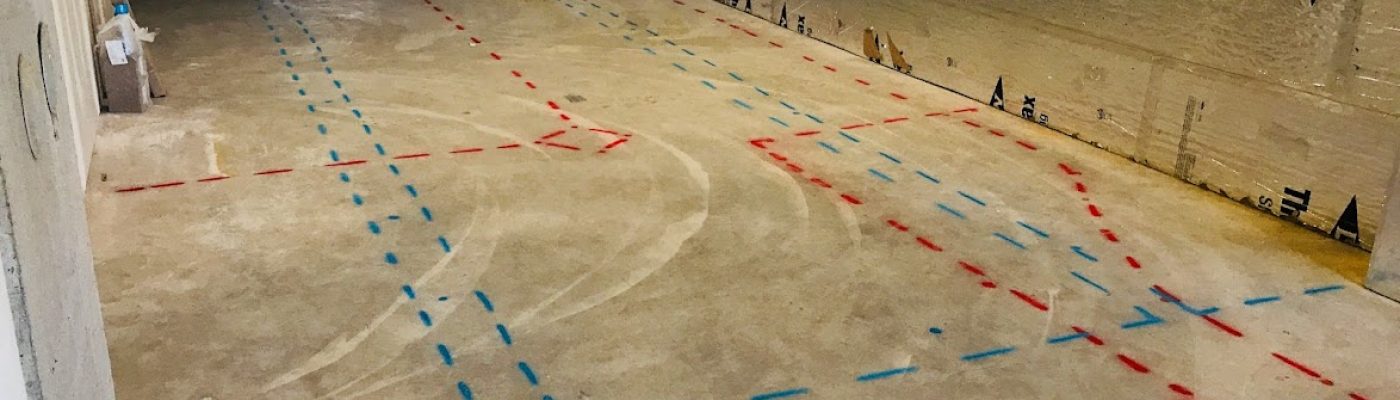
Another major difference between a SUE investigation and a private locate is what happens with the results. A private locator will leave paint or flags on the ground and maybe a sketch or PDF map if you’re lucky. The information is ephemeral, often fading with weather or disappearing once excavation begins. It isn’t tied to survey control, and it doesn’t integrate into project planning software. In short, it’s a temporary aid, not a permanent resource.
SUE services, on the other hand, are designed to produce deliverables that feed directly into engineering design. After data is collected, it’s surveyed to project coordinates, meaning every utility location is tied into the same grid the engineers use for design drawings. The results are then delivered as CAD or GIS files that can be layered onto construction plans, ensuring conflicts are identified early. This is not just convenient—it’s transformative. Engineers can see, with precision, where utilities are, how deep they lie, and how they interact with proposed structures. That kind of visibility makes it possible to redesign around utilities instead of discovering them too late.
Additionally, the quality levels defined in SUE provide a transparent measure of confidence in the data. Level D is records-based, Level C ties those records to visible features, Level B uses geophysical tools to map utilities, and Level A provides exact depths through test holes. This systematic approach tells engineers exactly how much trust they can place in the information. No such framework exists in private locating, which means there’s no way to gauge the accuracy of what’s been marked. With SUE, the outcome isn’t just colored lines in the dirt—it’s engineering-grade utility data that supports smarter, safer, and more cost-effective construction.
Visionary Subsurface Solutions: Bridging the Gap Between Locating and Subsurface Utility Engineering
One of the challenges in the industry is that many people assume private utility locating and subsurface utility engineering are interchangeable. The reality is that both have their place, and when done correctly, they serve very different needs. That’s why Visionary Subsurface Solutions has built its services around offering both as distinct, specialized offerings. For contractors who need quick answers before digging, private locating provides the efficiency to identify utilities for immediate excavation safety. For engineers, project managers, and owners who require a detailed understanding of the underground environment, SUE offers a thorough investigation that delivers precise data for long-term design and planning.
By keeping these two services separate, Visionary ensures that customers always get the right solution for their project—not a watered-down hybrid that tries to be everything at once. A private locate should never be mistaken for a utility investigation, and a SUE investigation should never be rushed or reduced to simple paint marks. Visionary’s approach acknowledges the demand for both, while educating clients on why each one exists and what makes them different. In doing so, the company not only protects projects from costly surprises but also reinforces its role as a trusted partner in the construction and engineering industries.
Choosing the Right Partner for Underground Clarity
The bottom line is that underground utilities shouldn’t be left to chance. Private locating and subsurface utility engineering may seem similar at first glance, but they serve very different purposes—one focused on immediate excavation safety, the other on long-term design confidence. The key is knowing when to use each, and more importantly, working with a partner who understands the difference.
That’s exactly where Visionary Subsurface Solutions makes an impact. By offering both private utility locating and SUE as separate, specialized services, Visionary ensures that projects of all sizes get the right level of detail and protection. Whether you need quick paint marks before breaking ground or a full-scale utility investigation tied into engineering drawings, Visionary brings clarity to the underground. With the right partner, you’re not just checking a box—you’re building smarter, safer, and more cost-effective projects from the ground up.