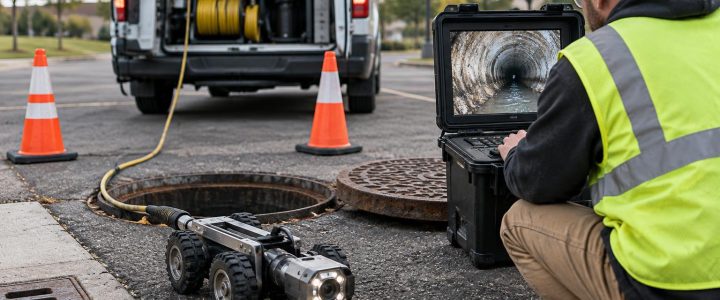
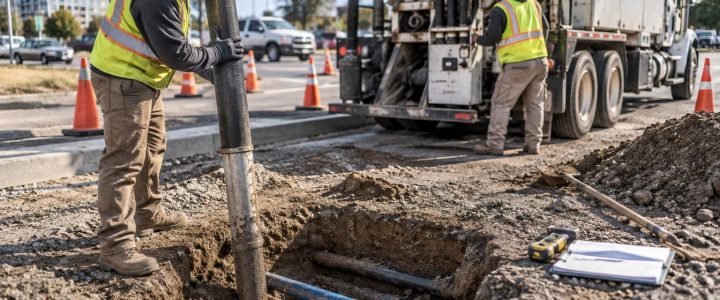
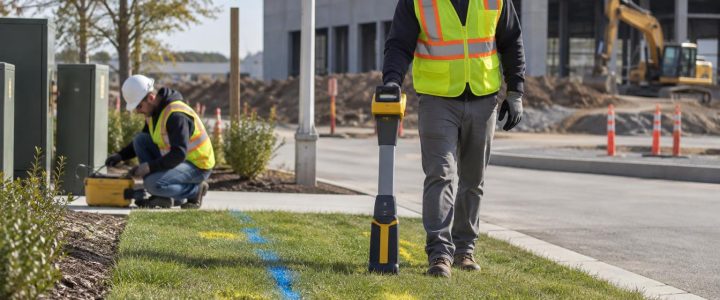
We’ve all seen the headlines: “Construction Crew Strikes Gas Line, Evacuating City Block!” or “Fiber Optic Cable Cut, Internet Outage for Thousands!” These incidents, often caused by inadequate utility locating, highlight the critical importance of subsurface utility engineering (SUE). But what if the very methods we rely on to prevent these disasters are actually setting us up for failure? This blog post will expose the hidden dangers of using one-call systems and private utility locators for SUE, revealing why these tools, designed for excavation, fall short when it comes to the complex world of engineering and design.
The The False Sense of Security: Why One-Call Systems Are Not Enough for Underground Utilities
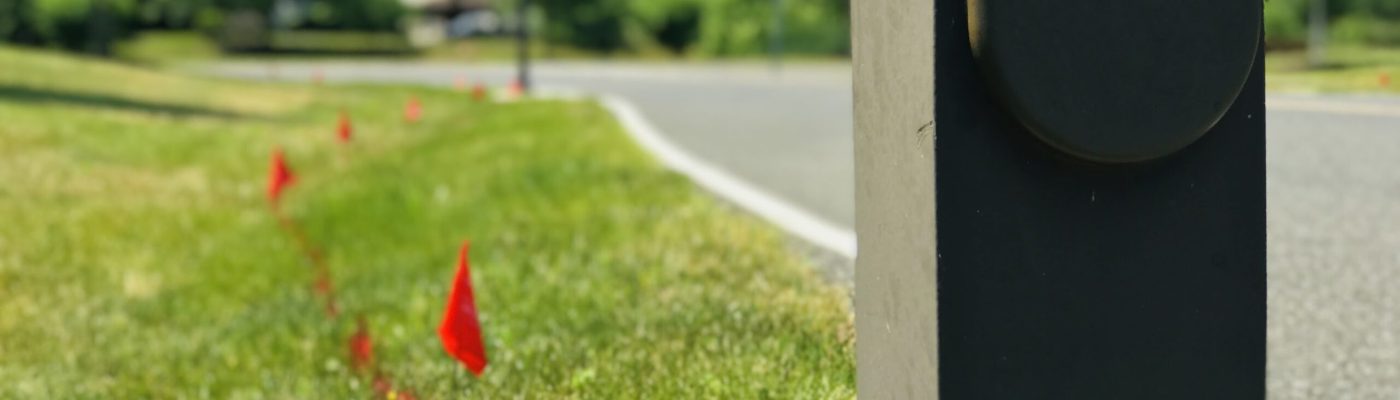
One-call systems, while essential for safe excavation, provide a limited snapshot of underground utilities. These systems primarily focus on identifying major, publicly owned lines to prevent immediate hazards during digging. However, they often exclude privately owned utilities, abandoned lines, and the intricate network of infrastructure found on complex project sites. Relying solely on one-call information for SUE is like navigating a maze with a blurry map – you might avoid the obvious walls, but you’re likely to stumble into hidden obstacles.
Furthermore, the accuracy of one-call information can be questionable. Records may be outdated, incomplete, or simply wrong. Utilities can shift over time due to soil movement, construction activities, or even natural disasters. This means that even if a utility is marked on a one-call map, its actual location may differ significantly. In the realm of SUE, where precision is paramount, such discrepancies can lead to costly errors, project delays, and even safety hazards.
Adding further weight to the inadequacy of relying solely on one-call systems for SUE, the American Society of Civil Engineers (ASCE) Standard 38-22, the definitive guide for subsurface utility engineering, explicitly states that “one-call markings can never lead to Quality Level B information without an independent Geophysical Search under the responsible charge of the Professional.”
This standard recognizes the inherent limitations of one-call data, acknowledging that it only provides a general indication of utility locations and cannot be relied upon for the accurate and detailed information required for engineering design. Quality Level B, as defined by ASCE 38-22, demands that utilities be located and identified using appropriate surface geophysical methods, with the data gathered and analyzed by a qualified professional. This reinforces the critical distinction between the basic information provided by one-call systems and the rigorous investigation necessary for SUE, making it clear that using one-call markings as a substitute for proper SUE is a direct violation of established industry best practices and can expose projects to significant risks.
The Private Locator Pitfall: Expertise Doesn't Always Equal Accuracy

Private utility locators are often seen as the solution to the limitations of one-call systems. These professionals use specialized equipment to identify and mark underground utilities, providing a more comprehensive picture of the subsurface environment. However, the effectiveness of private locators can vary greatly depending on their experience, training, and the technology they employ.
While many private locators are highly skilled and knowledgeable, others may lack the expertise needed to accurately identify and interpret complex utility configurations. This is particularly true for older infrastructure, where records may be scarce and the materials used are difficult to detect. In such cases, even the most experienced locator may struggle to provide a complete and reliable picture of the underground landscape.
Adding to the complexities surrounding private utility locators, a concerning trend has emerged where some companies misrepresent their services as full-fledged Subsurface Utility Engineering (SUE). While these companies may possess some expertise in locating utilities, they often fall short of meeting the rigorous standards outlined in ASCE 38-22. True SUE involves a comprehensive process that goes beyond simply marking the location of underground utilities using visible surface features. It includes thorough record research, geophysical surveys conducted under the supervision of a qualified professional, data compilation and analysis, and the assignment of quality levels based on the reliability of the information gathered.
Many private locating companies, while capable of providing valuable locating services for excavation purposes, do not possess the necessary expertise, equipment, or personnel to perform the full scope of SUE as defined by ASCE 38-22, including certification of the collected utility data by licensed professionals. This misrepresentation can create a false sense of security for project owners, leading them to believe they have obtained the necessary level of information for their project when, in reality, they may still be exposed to significant risks due to incomplete or inaccurate utility data. This underscores the importance of carefully vetting any company claiming to offer SUE services and ensuring they adhere to the established industry standards.
The Fundamental Difference: Excavation vs. Investigation
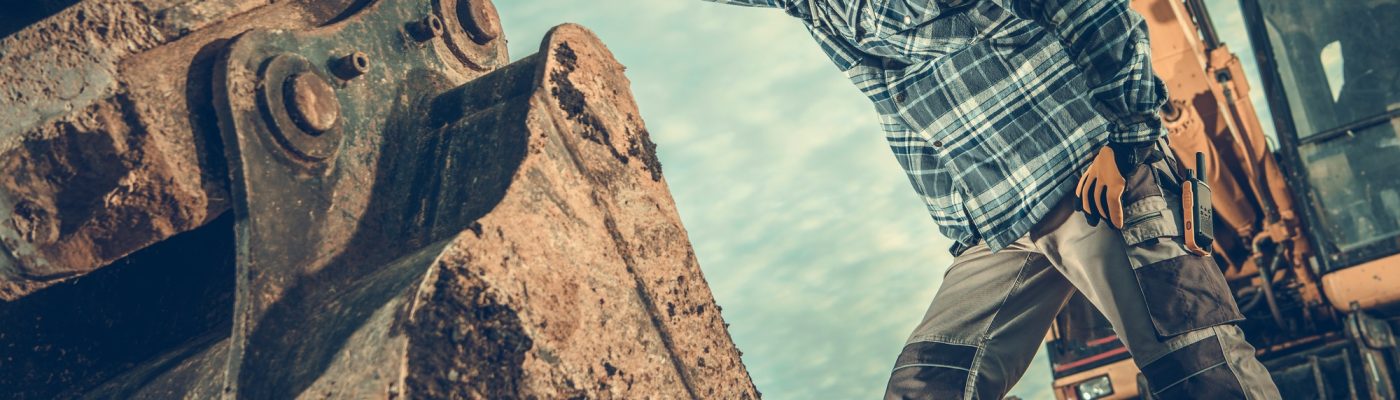
The core issue lies in the fundamental difference between construction and engineering. Construction can be a disruptive process that involves physically digging into the ground. One-call systems and private locators are primarily geared towards preventing damage during this process. Their focus is on identifying major utilities in the immediate vicinity of the excavation site.
SUE, on the other hand, is an investigative process. It aims to gather detailed information about all underground utilities within a project area, regardless of whether they will be directly impacted by construction activities. This information is used for engineering design, risk assessment, and project planning. SUE requires a much higher level of accuracy and completeness than traditional utility locating methods.
The SUE Advantage: A Proactive Approach to Risk Management
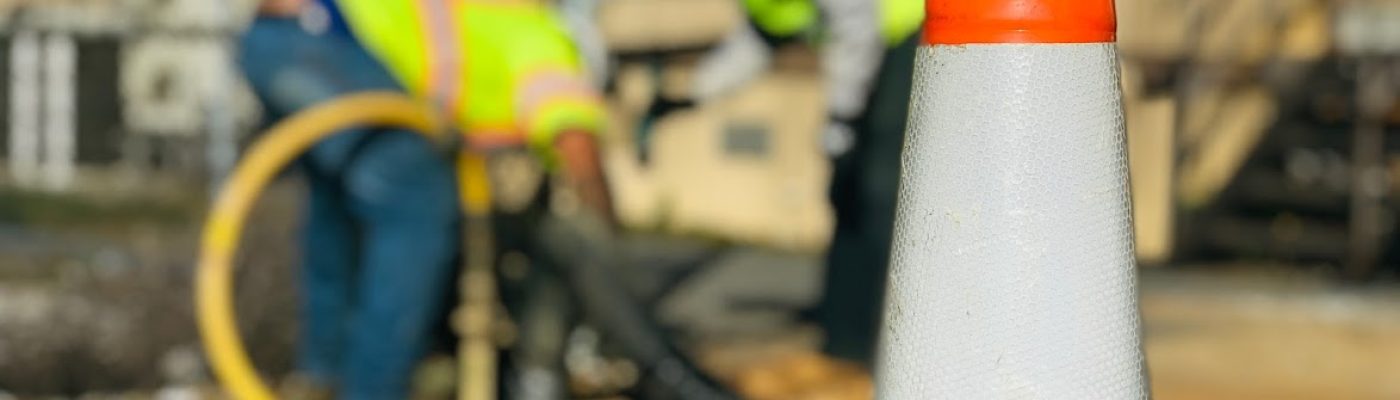
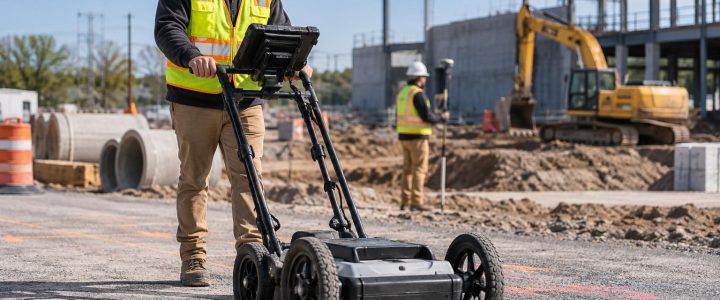
Subsurface Utility Engineering (SUE) takes a proactive approach to risk management by incorporating a variety of advanced techniques, including geophysical surveys, vacuum excavation, and utility record research. These methods, when combined with the expertise of qualified SUE professionals, provide a comprehensive understanding of the underground environment.
SUE goes beyond simply identifying the location of utilities. It also focuses on determining their depth, size, material, and condition. This information is crucial for making informed decisions about design, construction methods, and potential conflicts. By investing in SUE, project owners and engineers can minimize the risk of utility damage, reduce project delays, and improve overall safety.
SUE: The Secret Weapon You Can't Afford to Ignore
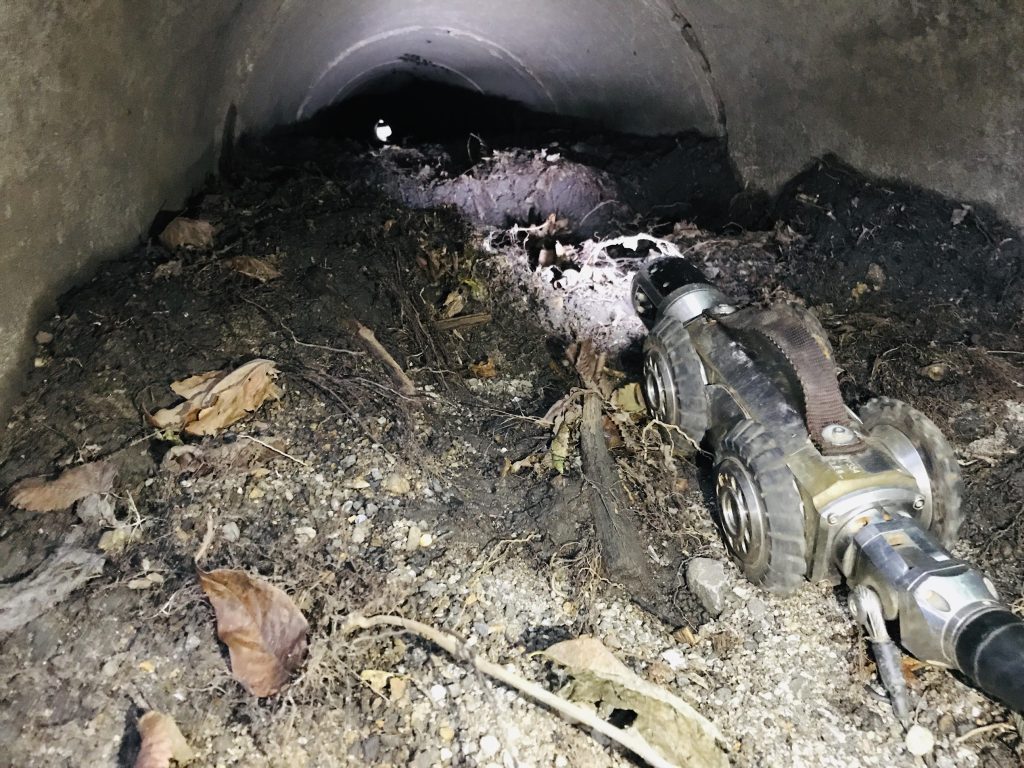
In conclusion, relying on one-call systems and private utility locators for subsurface utility engineering is a dangerous gamble. While these tools serve a purpose in excavation, they fall short when it comes to the comprehensive investigation required for SUE. By understanding the limitations of these methods and embracing the proactive approach of SUE, project owners and engineers can minimize risks, avoid costly mistakes, and ensure the safety and success of their projects. The next time you plan to break ground, remember that the silent killer lurking beneath your feet can be avoided with the right approach. Don’t settle for a blurry map when you can have a clear picture of the underground world. Invest in SUE, and protect your project from the hidden dangers that lie below.