
Hospitals are bustling centers of life-saving activity, cutting-edge medical technology, and highly coordinated systems—but what lies beneath the surface is just as crucial as what happens above ground. Hidden below the average hospital campus is a complex network of privately owned utilities that keep the facility running 24/7. From volatile gases like hydrogen and life-sustaining oxygen to high-pressure steam lines and chilled water systems that regulate climate control, these invisible lifelines are vital to operations. Yet, they’re often overlooked—until something goes wrong. Understanding these systems is critical not only for hospital administrators and maintenance teams but also for construction crews and utility locators tasked with any sort of excavation or site modification. Let’s peel back the layers and explore the types of privately owned utilities that quietly power the modern hospital campus.
Oxygen and Hydrogen: The Lifeblood and Wildcard of Hospital Infrastructure
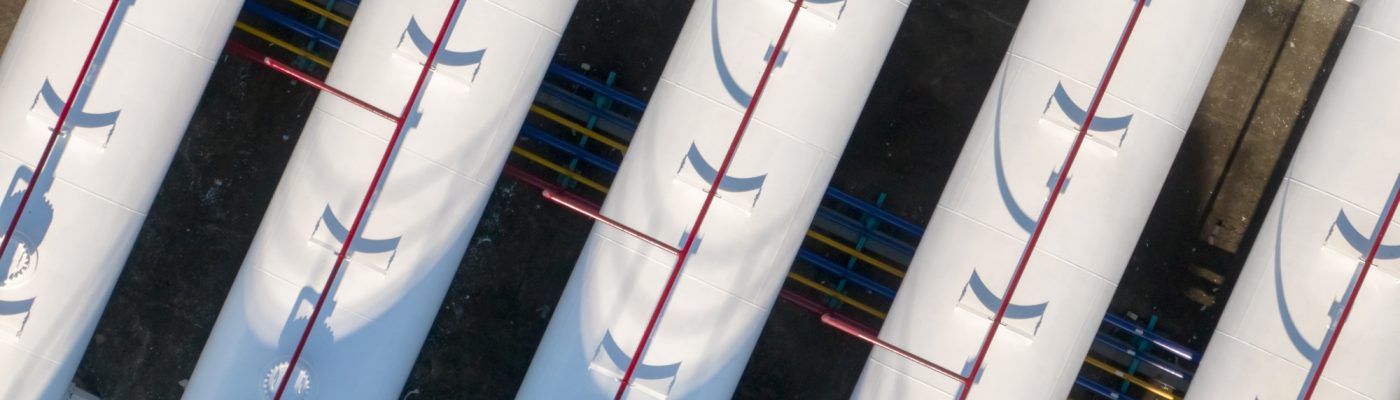
Oxygen lines are some of the most essential utilities running beneath and throughout a hospital. Medical-grade oxygen is used continuously across emergency rooms, operating theaters, and intensive care units to sustain life. These systems aren’t just limited to patient care areas—they stretch across an entire campus, often running underground between buildings, into mechanical rooms, and up through wall outlets in critical care areas. Because oxygen is highly pressurized and flammable, any damage to these lines can have catastrophic consequences. The complexity of these systems lies not only in their technical makeup but also in the legal and regulatory responsibilities associated with them. While municipal water or power lines might fall under public utility oversight, oxygen infrastructure is privately owned by the hospital, which means facility managers bear the full burden of maintaining and mapping these critical lines.
Hydrogen, while not as commonly used as oxygen, is another potentially dangerous utility found on specialized hospital campuses—particularly those involved in medical research or advanced diagnostics. Hydrogen is often used in laboratory environments, particularly for gas chromatography or other analytical applications that require ultra-pure gases. Its high flammability makes it even more hazardous than oxygen, and any misstep during construction or renovation could result in an explosive event. What makes hydrogen lines particularly risky is their relative obscurity; even experienced contractors may not realize such systems are in place unless they’ve been properly documented and communicated. This underscores the importance of accurate utility mapping and communication between hospital departments and external contractors. These systems don’t just lie beneath our feet—they represent a volatile and invisible hazard if neglected.
Steam Pipes: The High-Pressure Backbone of Hospital Operations

Steam lines are another often overlooked yet critical part of hospital infrastructure. These pipes are responsible for delivering high-pressure steam from a central plant to different wings and buildings across a hospital campus. Steam is used for sterilizing medical equipment, heating buildings, and even powering certain types of medical machinery. These systems are typically high-temperature and high-pressure, requiring robust materials like cast iron or steel to withstand the demanding conditions. Like oxygen lines, steam pipes are privately owned by the hospital and maintained by in-house engineering or facility management teams. Any excavation or repair project must be approached with extreme caution. Striking a steam line isn’t just inconvenient—it can be deadly. The release of high-pressure steam can cause severe burns and damage surrounding infrastructure in seconds.
The sheer size of many hospital campuses complicates steam delivery systems. A large regional medical center may span dozens of acres, with steam lines crisscrossing beneath parking lots, courtyards, and service roads. Unlike more visible utilities such as power lines or water mains, these underground steam systems often go undocumented or are poorly mapped. Over time, records may become outdated or lost altogether, especially during renovations or hospital expansions. When planning new construction—whether it’s erecting a new wing, digging trenches for IT conduit, or upgrading drainage—failing to locate these steam lines accurately can derail a project and threaten safety. Precision locating services and ground-penetrating radar technology become essential tools in revealing the exact paths of these underground giants before any dirt is moved.
Chilled Water Systems: Silent Guardians of Climate Control and Comfort
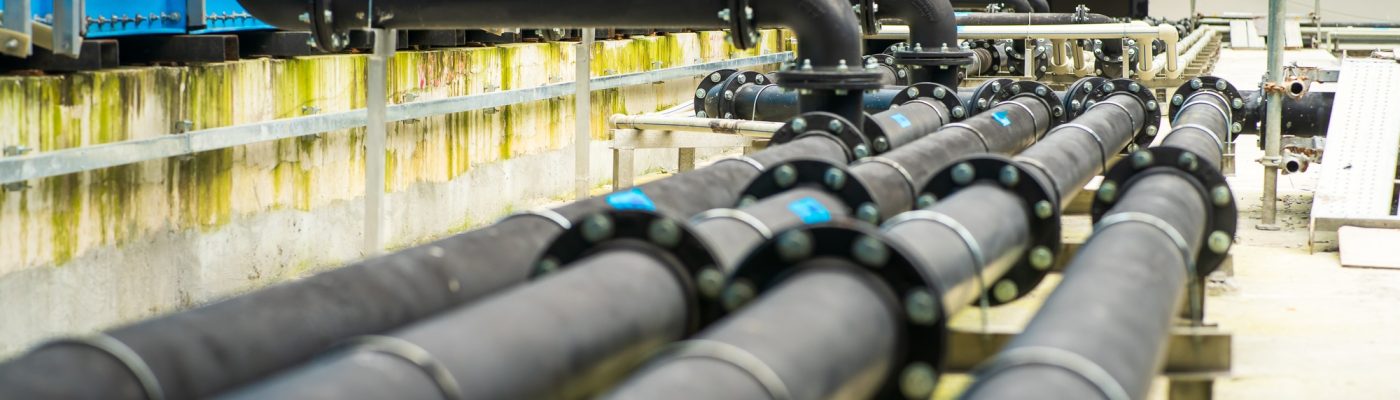
While patients and staff may rarely give it a second thought, a hospital’s chilled water system plays a crucial role in maintaining a safe and comfortable environment. These systems circulate cold water from centralized chillers to air handlers located throughout the campus, helping to regulate indoor air temperatures and humidity levels. In a hospital setting, where temperature and air quality directly impact patient care and infection control, the importance of this system can’t be overstated. A failure in the chilled water loop can compromise sterile environments, overheat sensitive medical equipment, and create an overall uncomfortable atmosphere for patients and staff alike. And just like the steam and gas lines, these water lines are usually hidden underground and privately owned, adding layers of complexity to their maintenance and repair.
Chilled water lines often run in parallel with steam and domestic water systems, forming part of an intricate and sometimes undocumented web of infrastructure. Because they typically operate under less pressure than steam systems, they’re often constructed with different materials—such as PVC or HDPE—that are less likely to appear on conventional locating equipment. This presents a unique challenge for facility managers and utility locators. Identifying and tracing these lines often requires advanced technologies, like electromagnetic detection or acoustic leak detection, paired with detailed as-built documentation. Unfortunately, as-built records are not always reliable—especially on older campuses where renovations have taken place over decades without consistent documentation. The result is a network of chilled water lines that could be punctured or severed during construction or repair, causing service disruptions and unplanned downtime in critical areas.
Out of Sight, But Never Out of Mind

Hospitals are some of the most complex institutional buildings in existence, and that complexity extends far beyond patient rooms and surgical suites. Beneath the surface of every hospital campus lies a hidden world of private utilities—oxygen and hydrogen gas lines, steam pipes, and chilled water systems—that are as essential to operations as doctors and nurses. These systems are not just infrastructure; they’re lifelines that sustain life, ensure safety, and maintain comfort. Because they are privately owned, hospitals bear the responsibility of keeping them mapped, maintained, and protected during any type of construction or ground disturbance. The stakes are high, and the margin for error is slim. Recognizing the existence of these utilities—and planning accordingly—can make the difference between smooth operations and costly, even dangerous, disruptions. So the next time you walk across a hospital courtyard or drive into a medical center parking lot, remember: there’s a world beneath your feet that’s working just as hard to keep people alive.


