
Every construction site has its visible challenges—weather delays, labor shortages, rising material costs—but what truly keeps contractors up at night often lies just below the surface: underground utilities. These unseen networks of water, gas, electricity, telecommunications, and sewer lines may be essential to modern life, but on a jobsite, they’re more commonly associated with headaches, hazards, and costly surprises. From mislocated cables to poorly documented pipelines, underground utilities are the silent saboteurs of efficiency and safety in construction. But what exactly are the biggest complaints professionals have about them?
Didn't Know About It!" — The Documentation Disaster Nobody Talks About
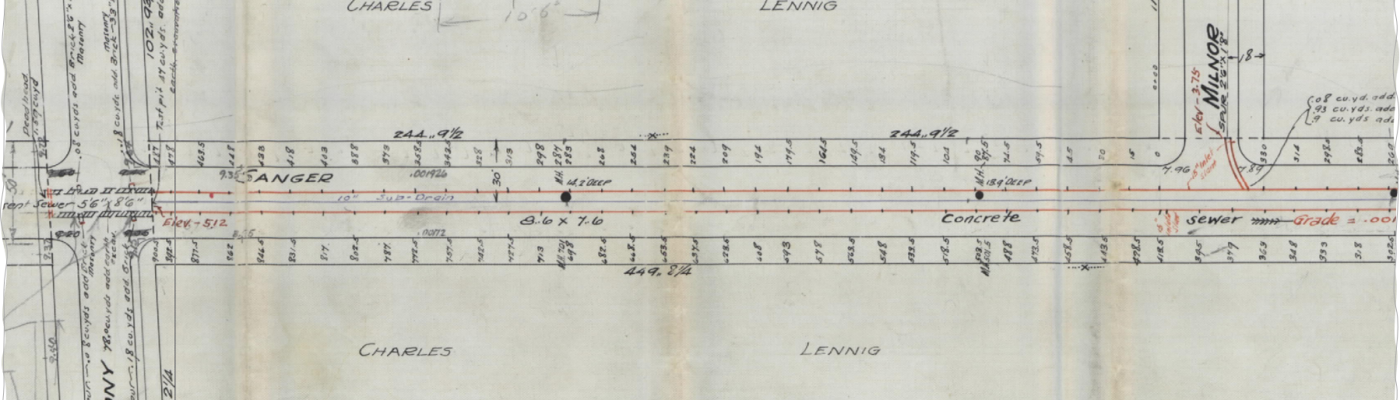
One of the most infuriating complaints on any jobsite is the lack of reliable utility maps. Contractors often discover, mid-excavation, that the as-built drawings are either outdated, incomplete, or flat-out wrong. It’s like being handed a treasure map where X marks the wrong spot—except instead of treasure, you find a gas main, and instead of riches, you get a project delay, a fine, or even a lawsuit. Municipal records are frequently inconsistent, and private utilities (like those installed for commercial properties or campuses) are even more likely to be missing from the public record altogether. This leaves construction teams flying blind when they break ground, relying on educated guesses, utility locators, and a whole lot of luck.
What makes this issue more infuriating is that many utilities are installed with little long-term consideration for future access or visibility. Legacy systems laid decades ago—often during rapid urban growth—were never intended to be permanent, but they remain in place, buried and forgotten. When these systems intersect with new construction, chaos ensues. Contractors waste hours trying to identify lines, get verification from utility companies, and interpret cryptic notes on old plats and blueprints. This lack of clarity leads to mistakes, accidents, and costly rerouting that stalls progress. It’s a problem that’s existed for decades but remains stubbornly unresolved across much of the construction industry.
The Shock and Awe of Unexpected Hits — Why Striking a Line Is Every Contractor’s Worst Fear
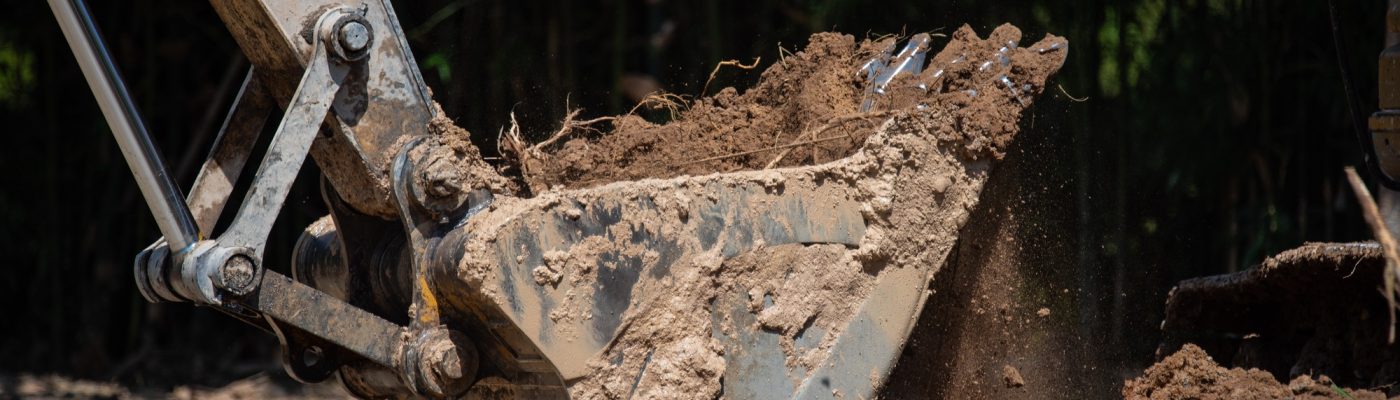
There’s a unique kind of panic that sets in when heavy equipment strikes something it shouldn’t. Hitting an underground utility line isn’t just a nuisance—it can halt work for days, rack up thousands in damages, and pose serious safety risks. Strikes on gas or electric lines can lead to catastrophic injuries, fires, or even fatalities. Even seemingly “harmless” hits on fiber optic cables or water mains can lead to massive financial penalties and significant project setbacks. It’s no wonder that underground utility strikes are one of the most feared incidents in the construction world.
Despite best efforts to prevent them, utility strikes are still shockingly common. One major reason is the depth inconsistency of buried lines. A line that’s 18 inches deep in one section might unexpectedly rise to just 6 inches due to erosion, prior excavation, or shifting soil. Then there’s the issue of improperly marked utilities—paint marks and flags placed by utility locating companies can be affected by weather, tampering, or even just human error. Plus, in high-traffic or urban areas, multiple utilities may be layered or crisscrossed in ways that make it virtually impossible to know exactly what’s below without advanced locating equipment. The stress of this uncertainty adds another layer of complexity for site managers trying to keep everything on schedule and under budget.
Who Do You Call When the Lines Don’t Line Up? — The Blame Game and Red Tape Mess
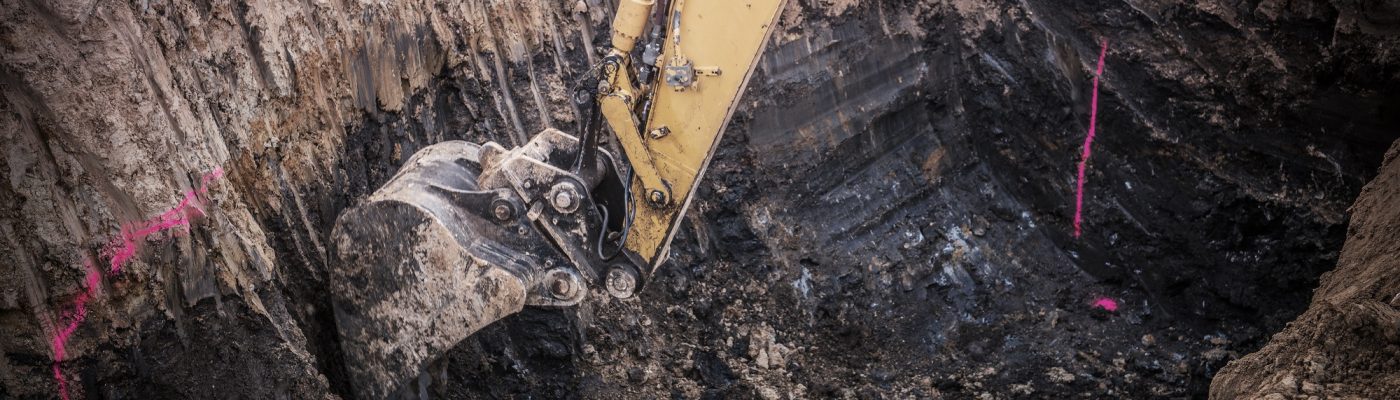
If there’s one thing that rivals the frustration of discovering an undocumented utility line, it’s the bureaucratic maze that follows. After a strike or utility-related delay, the first instinct is to ask: who’s responsible? But finding a straight answer can be like digging for the utilities themselves—slow, convoluted, and full of dead ends. Contractors often get caught in the crossfire between utility companies, municipal departments, and property owners, each pointing fingers in different directions. Liability becomes murky, insurance claims drag on, and legal threats start to simmer. Meanwhile, the site sits idle, bleeding time and money.
This regulatory ambiguity doesn’t just emerge in emergencies—it’s baked into the permitting and pre-construction process. In many jurisdictions, even getting clearance to dig is a weeks-long endeavor, requiring calls to multiple “call-before-you-dig” agencies, coordination with locators, and compliance with differing municipal standards. And even after receiving the all-clear, many contractors feel unprotected. If a marked utility turns out to be incorrect, whose fault is it? The locator? The city? The contractor? There’s rarely a straightforward answer, and this legal gray zone creates immense stress, especially for firms operating on tight deadlines and thinner margins. It’s a constant reminder that even when contractors do everything right, they can still be penalized for someone else’s error.
Bury the Problems, Not the Stress

Underground utilities are a necessary evil on construction sites—vital for modern infrastructure but a persistent thorn in the side of project teams. From incomplete documentation and unexpected strikes to regulatory confusion and endless red tape, they introduce an element of unpredictability that can derail even the best-planned projects. While new technologies in ground-penetrating radar, subsurface mapping, and utility detection offer hope for the future, the complaints persist today—and they’re loud, valid, and deeply frustrating. For construction professionals, success depends not only on what they build above ground, but also on how well they navigate the hidden chaos below.


