
Construction delays are frustrating, expensive, and often preventable. One of the most underappreciated yet devastating causes of these setbacks is the discovery of unknown or inaccurately mapped underground utility lines. These conflicts are not only disruptive—they can completely derail project timelines, lead to costly redesigns, create legal headaches, and threaten the safety of workers and surrounding communities. As urban infrastructure becomes increasingly complex and older utility systems deteriorate or go undocumented, the risk of encountering unanticipated utilities beneath the surface grows. In today’s high-stakes construction environment, what lies beneath can make or break a project before it even begins.
Disaster Beneath the Dirt: When the Ground Betrays Your Blueprint
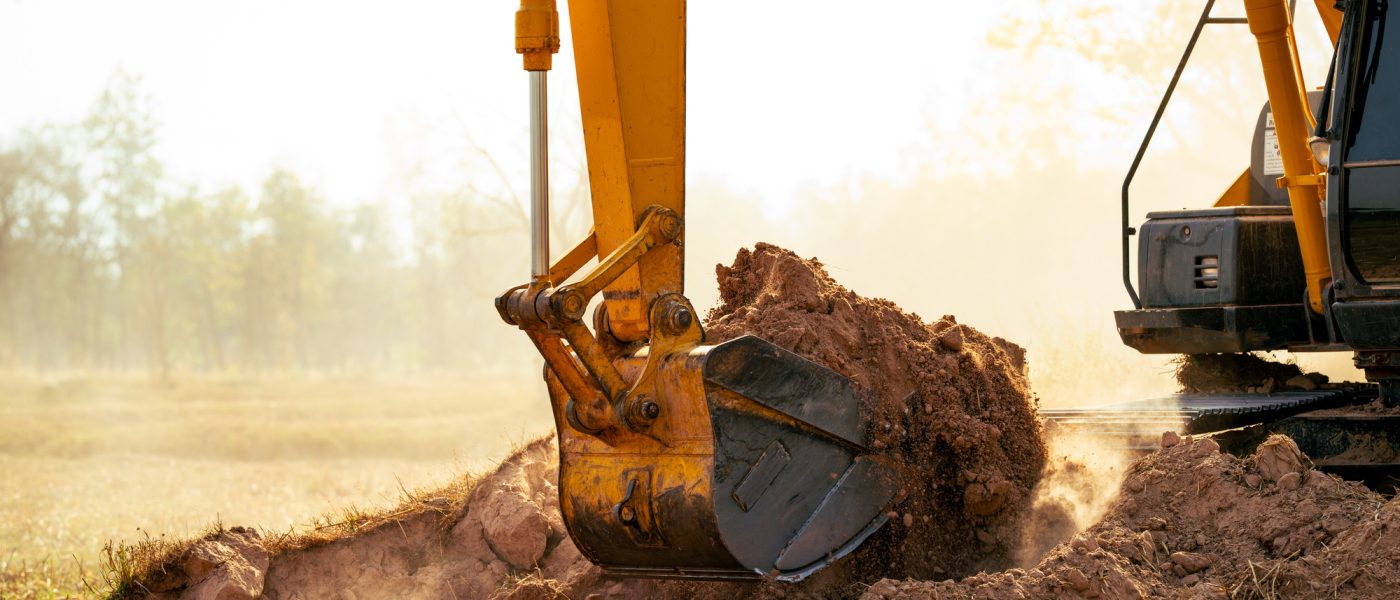
The first sign of trouble often comes suddenly: a backhoe operator hears a hiss or feels resistance. Moments later, a water main bursts, or an electrical line is severed. What was supposed to be a routine excavation turns into a crisis. When utility lines are unmarked, misidentified, or simply absent from public records, construction crews are effectively working blind. The discovery of these utilities doesn’t just pause progress—it forces entire teams to stop, assess, and reevaluate their plans. This pause isn’t a matter of minutes or even hours. It can stretch into days or weeks as engineers scramble to update schematics, coordinate with utility providers, and determine a safe path forward.
These interruptions ripple outward. Equipment sits idle. Labor costs mount with no productive output. Subcontractors miss their slots, which then affects the next phase of the build. The cascading delays increase overhead and often trigger penalty clauses in contracts. Worse, the project’s public perception may suffer if stakeholders or investors view the delays as incompetence rather than unavoidable risk. And all of this could stem from a single gas line no one knew was there.
Billions Lost in the Shadows: The Real Cost of Utility Line Conflicts
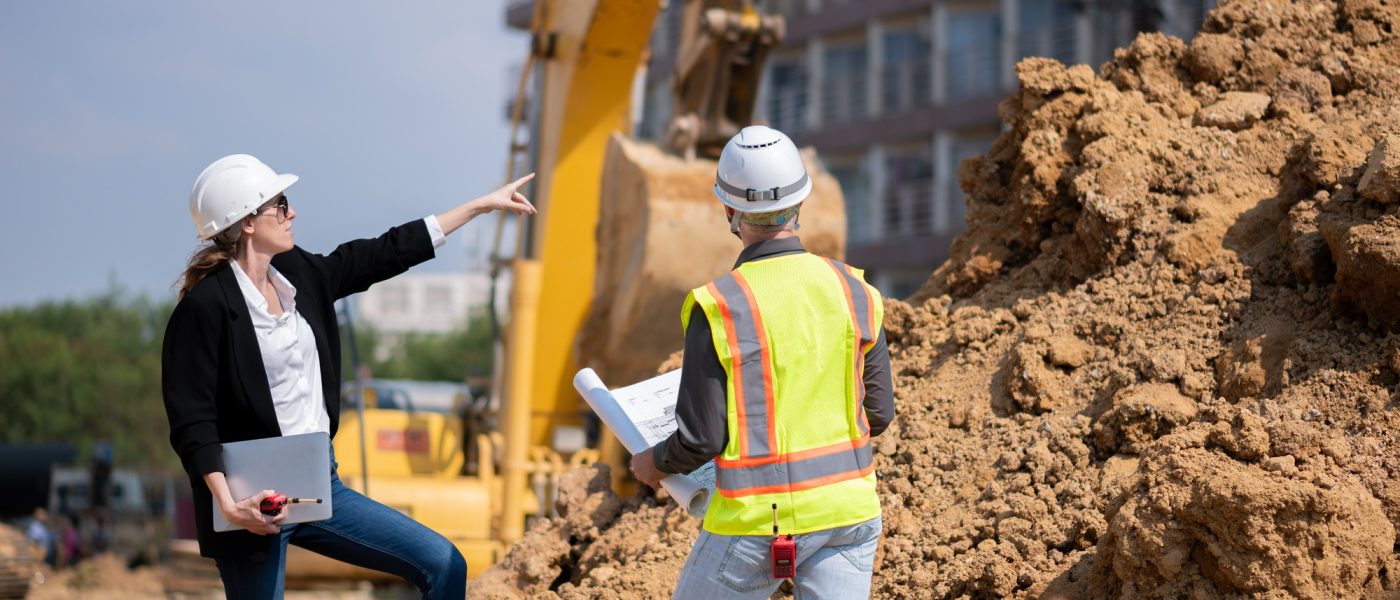
The financial implications of unknown utility line conflicts are staggering. In the U.S. alone, it’s estimated that utility damages cost the economy billions annually. But direct repair costs are only the tip of the iceberg. A broken fiber optic cable might be repaired in a few hours, but the lost time for a data center dependent on that connection can mean millions in lost revenue. Similarly, halting a multi-million dollar construction project due to a surprise sewer line can lead to prolonged legal negotiations, permit revisions, and increased labor charges, all while eroding the project’s profit margin.
These hidden costs rarely get factored into initial budgets, leaving contractors and developers scrambling for contingency funds when issues arise. Insurance claims might cover some damage, but they won’t compensate for missed deadlines or reputational damage. In competitive bidding environments, the inability to accurately forecast delays caused by underground utilities can cause firms to underbid and then absorb heavy losses, or overbid and lose out on opportunities altogether. Either way, the unpredictability of underground utility conflicts poses a serious threat to financial viability.
Legal Nightmares and Safety Scares: The Fallout Nobody Warned You About

Beyond cost and delay, the legal and safety consequences of hitting unknown utility lines are equally dire. Damage to utility infrastructure often triggers regulatory investigations and potential lawsuits. If it’s found that due diligence wasn’t followed, fines can be steep, and the project’s leaders could be held liable. Even in cases where no one is injured, the mere disruption of services—such as knocking out power to a neighborhood or interrupting water supply—can lead to public outcry and reputational harm for the construction company involved. Local authorities may halt work until investigations are complete, adding even more time to an already delayed timeline.
The safety implications are even more severe. Striking a gas line can lead to explosions or fires that put workers and civilians at serious risk. Electrical lines present immediate electrocution hazards, and even water lines can flood excavation sites and compromise trench stability. These dangers necessitate emergency response measures, workplace investigations, and sometimes federal oversight depending on the severity of the incident. In the worst-case scenarios, these incidents result in injuries or fatalities that change lives and careers forever. No timeline is worth sacrificing human safety—but the truth is, many of these tragedies stem from preventable utility conflicts that could have been uncovered through better subsurface investigation.
Time Is Money, and You’re Losing Both: Why Prevention Is the New Construction Superpower
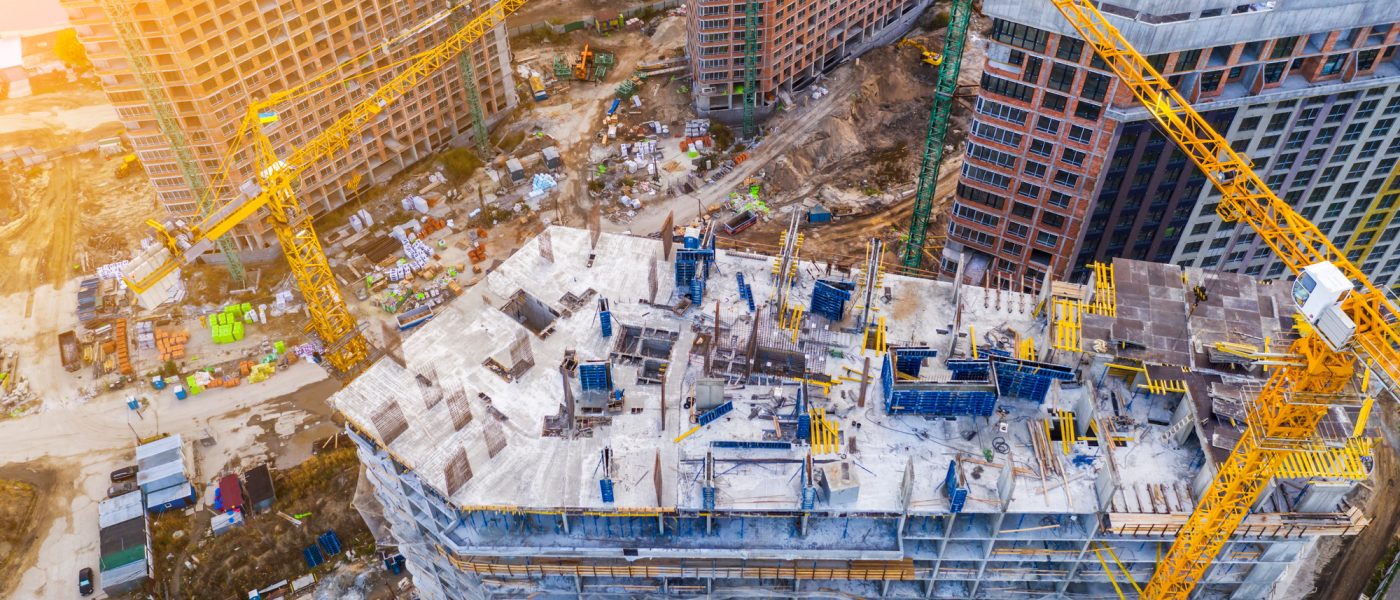
Every day lost to an avoidable utility conflict is a day of lost revenue, trust, and opportunity. In today’s fast-paced construction world, time truly is money, and most projects run on thin margins and tighter schedules. When delays hit, they don’t just slow down one job—they affect the scheduling of future projects, the allocation of resources, and the overall momentum of a company’s operational pipeline. A few days of unexpected downtime can result in missing seasonal windows, breaching contractual deadlines, and losing out on performance bonuses or new contract bids.
What’s more frustrating is that many of these delays are avoidable with modern technology and proactive planning. Ground-penetrating radar, electromagnetic locators, and other non-destructive techniques now provide far more accurate pictures of what’s beneath our feet than legacy maps or outdated utility records. Combining these tools with a strong partnership with utility locating specialists and proper coordination with local agencies can turn a potential disaster into a non-issue. Investing in pre-construction utility mapping isn’t just smart—it’s essential. Forward-thinking developers are beginning to treat utility detection as a critical first step in their workflows, not an afterthought. And those who do are reaping the benefits in on-time, on-budget builds.
Dig Smarter, Build Faster—Or Pay the Price
Unknown utility line conflicts are a silent but potent threat to construction timelines everywhere. From the sudden shock of discovery to the weeks of delays they create, these hidden hazards can unravel even the best-laid plans. They bring financial burdens, legal risks, and safety threats that extend far beyond the site itself. Yet with proper planning, modern detection tools, and a commitment to subsurface intelligence, these risks can be dramatically reduced—if not eliminated entirely. The question isn’t whether unknown utilities will cause delays, but whether your project will be prepared when they do. In a world where every hour counts, ignoring what lies beneath could be the most expensive mistake of all.


