Commercial construction projects come with a myriad of complexities, one of which is accurately identifying and mapping underground utilities. Proper preparation is crucial to ensuring that utility locating professionals can work efficiently and provide precise data. Access to utility rooms, closets, locked gates, and other critical areas plays a pivotal role in this process. This guide will walk you through the steps to prepare your site for utility locating services, ensuring a smooth operation while minimizing delays and errors.
Why Accurate Utility Data is Essential for Commercial Construction
![aerosol-mp-cloud-white[1]](https://visionaryss.com/wp-content/uploads/elementor/thumbs/aerosol-mp-cloud-white1-r00dycb9bnythwxpbokh70ch82g5y8crutglnh6i00.jpg "aerosol-mp-cloud-white[1]")
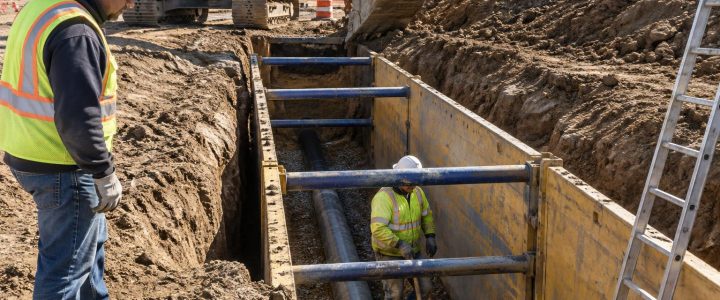
Underground utilities such as water lines, gas pipes, electrical cables, and communication lines form the unseen lifelines of any construction site. A single misstep in locating these utilities can lead to costly damages, delays, and even safety hazards. Accurate utility data ensures compliance with regulations, avoids accidental disruptions, and supports efficient project execution. For utility locating professionals to deliver the most reliable results, they require unrestricted access to critical areas on your site.
Assessing Your Construction Site: The First Step

Before utility locators arrive, it’s essential to conduct a thorough assessment of your site. This involves understanding the layout, identifying locked areas, and mapping out any utility rooms or closets. By creating a detailed site map, you provide professionals with a roadmap that enhances their ability to locate underground utilities accurately.
Start by identifying all points of interest, such as meter boxes, valve pits, and utility vaults. These are often overlooked but can provide essential clues about the underground network. If possible, review existing utility blueprints or records to give the locating team a head start.
Unlocking Access: Why It Matters

One of the most common challenges faced by utility locating professionals is restricted access to key areas. Locked gates, utility closets, and secured utility rooms can significantly impede their work. Without access to these spaces, professionals may struggle to trace connections or verify utility placements, leading to incomplete or inaccurate data.
To avoid this, ensure that all locked areas are accessible on the day of the utility locating survey. Assign someone on-site to provide keys or grant access to these spaces. Alternatively, coordinate with the utility locating team beforehand to arrange for locks to be removed or temporary access permissions to be granted.
Preparing Utility Rooms and Closets for Inspection
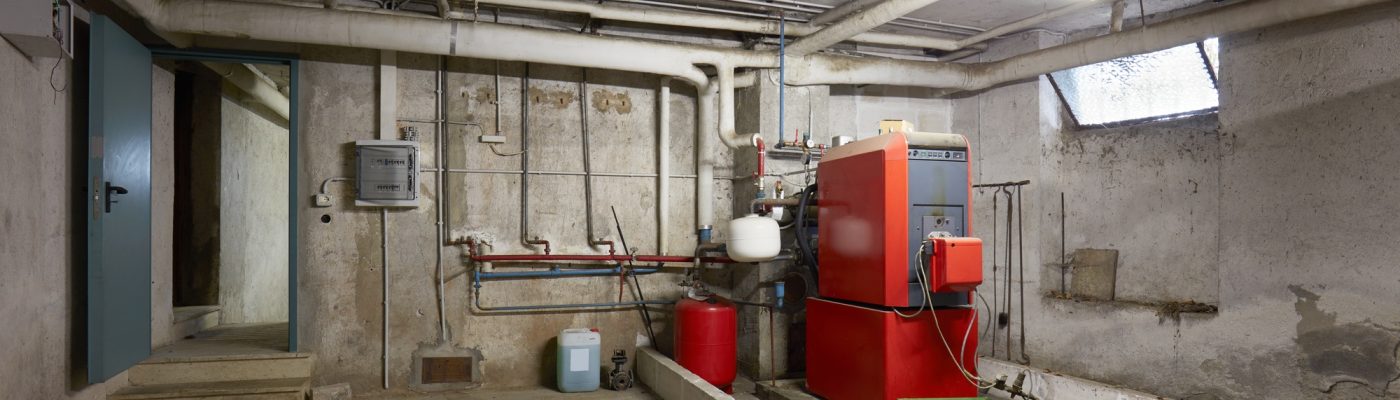
Utility rooms and closets often house critical connections and junctions that must be examined during the locating process. These areas should be cleared of unnecessary items to provide unobstructed access. Clutter in utility closets can obscure vital components, such as breaker panels or water shut-off valves, making it harder for professionals to trace utility paths.
Take time to organize these spaces before the survey. Remove storage items, clean the area, and label key components if possible. A well-organized utility room not only streamlines the locating process but also demonstrates professionalism and a commitment to safety.
Addressing Locked Gates and Secured Areas

Construction sites often feature locked gates and secured areas to protect equipment and materials. While these measures are important for security, they can pose a challenge for utility locating professionals. Failure to provide access to these areas can delay the survey or result in incomplete utility data.
In advance of the survey, identify all locked gates and determine how access can be granted. This might involve providing keys, removing locks, or scheduling the survey during a time when these areas are typically open. Clear communication with your utility locating team is essential to ensure they can access every part of the site without unnecessary delays.
Clear the Path: Removing Obstructions

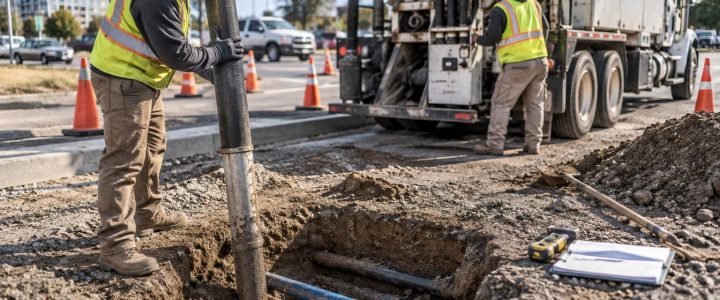
Obstructions such as heavy equipment, piles of materials, or debris can hinder utility locating professionals from performing their work effectively. These obstacles not only block physical access but can also interfere with the signals used by locating equipment.
Before the survey, walk the site and identify any obstructions that might impede the process. Relocate equipment and clear debris from the work area. If certain obstacles cannot be moved, inform the locating team so they can plan accordingly. By presenting a clean and organized site, you help ensure the locating process is both efficient and accurate.
Coordinate with Your Utility Locating Professionals
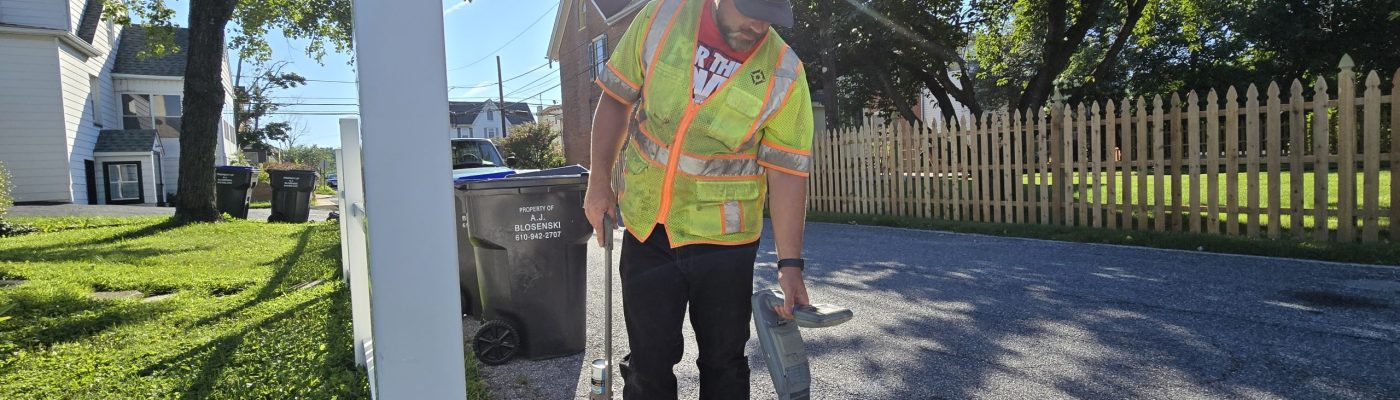
Preparation doesn’t stop at the site itself; effective coordination with the utility locating team is equally important. Schedule a pre-survey meeting to discuss the project scope, share site maps, and address any potential challenges. This is also an opportunity to confirm access arrangements and ensure the team has all necessary permissions to enter locked or restricted areas.
During this meeting, provide the team with any historical data or utility records you have. Even if the information is outdated, it can serve as a useful reference point. Utility locators can compare this data with their findings to identify discrepancies and provide more accurate results.
Use Marking Systems to Streamline the Process
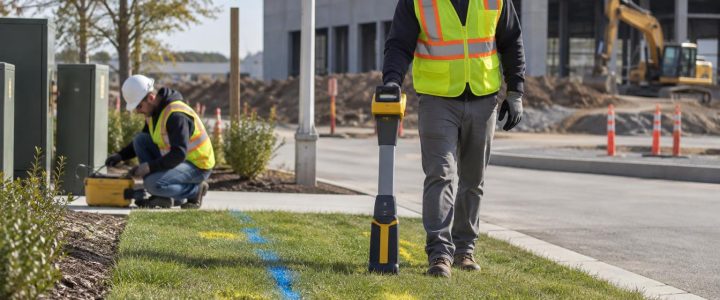
Marking systems play a crucial role in utility locating. Before the professionals arrive, consider marking the areas where utilities are known or suspected to be present. This can involve using spray paint, flags, or chalk to highlight key locations.
Color-coded marking systems are widely recognized and can help the locating team quickly identify the type of utility in each area. For example, red is often used for electrical lines, blue for water, and yellow for gas. If you’re unsure about the proper marking conventions, consult with your utility locating provider for guidance.
Timing is Everything: Schedule the Survey Strategically

The timing of the utility locating survey is critical to its success. Ideally, the survey should be scheduled before any major excavation or construction work begins. This minimizes the risk of accidental utility damage and ensures the project can proceed without interruptions.
Coordinate the survey with other site activities to avoid conflicts. For example, schedule the survey on a day when the site is relatively quiet, with minimal equipment movement. This reduces the likelihood of interference with locating equipment and allows the professionals to focus on their work.
Closing the Loop: Setting the Foundation for Utility Locating Success
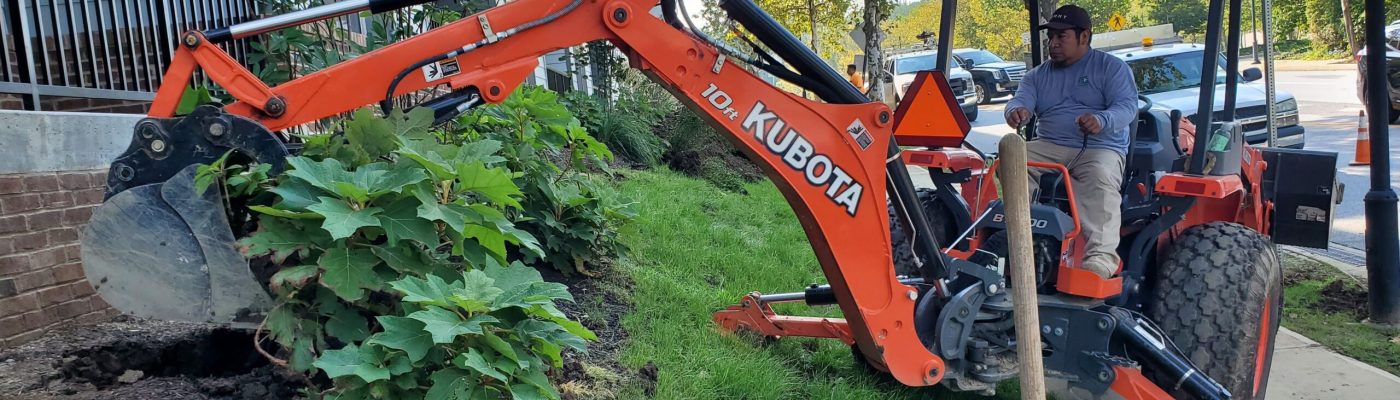
Properly preparing your commercial construction site for utility locating professionals is not just a procedural step—it’s a cornerstone of project success. By ensuring access to utility rooms, closets, and locked gates, you empower the professionals to collect precise and reliable data. This data forms the backbone of safe, efficient construction and prevents costly mistakes that could disrupt your timeline and budget. A proactive approach to preparation demonstrates foresight and commitment to the integrity of your project.
Taking the time to organize your site, clear obstructions, and coordinate access arrangements pays dividends in both the short and long term. Utility locating isn’t merely about mapping what lies beneath the surface; it’s about creating a safer environment for your team and avoiding unnecessary risks. Every small step, from decluttering utility rooms to scheduling the survey strategically, contributes to smoother operations and better outcomes.
Ultimately, the effort you invest in preparing your site reflects your dedication to precision and professionalism. By fostering clear communication, adhering to local regulations, and embracing a culture of readiness, you lay the groundwork for success. The result is a project that runs seamlessly, with fewer surprises and greater confidence in the work ahead. When it comes to utility locating, preparation is more than half the battle—it’s the key to unlocking your project’s full potential.