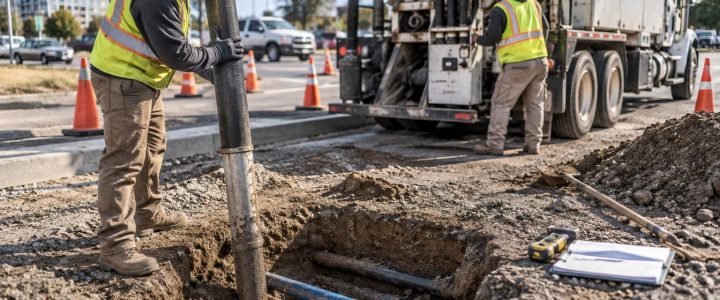
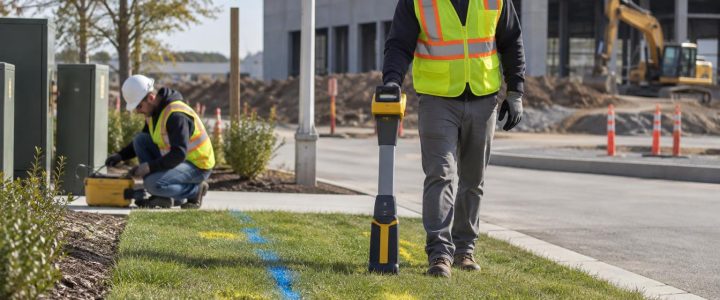
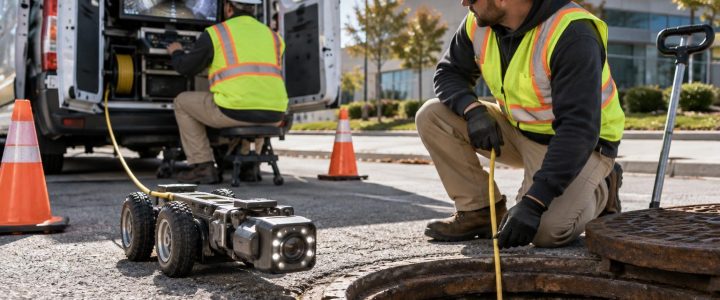
The world beneath our feet is a labyrinth of cables, pipelines, and conduits that power our modern lives. From water mains to electricity cables and fiber optic networks, underground utilities form an integral part of urban infrastructure. Yet, this hidden network can pose significant risks for construction and engineering companies, jeopardizing both safety and financial stability. As projects grow more complex and urban areas become increasingly dense, navigating the challenges of underground utilities has become a pressing concern for the industry.
The Unseen Threat: Safety Hazards Lurking Underground
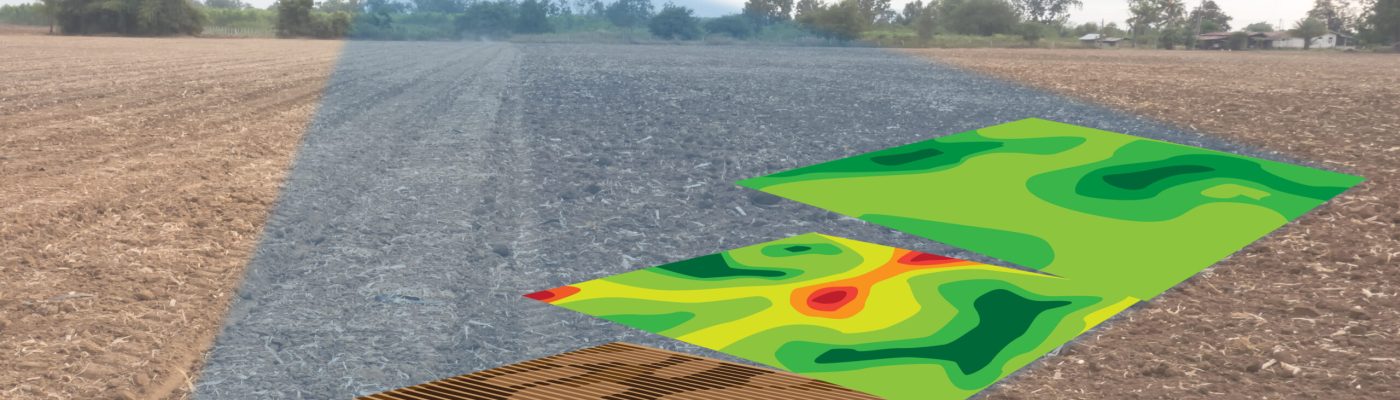
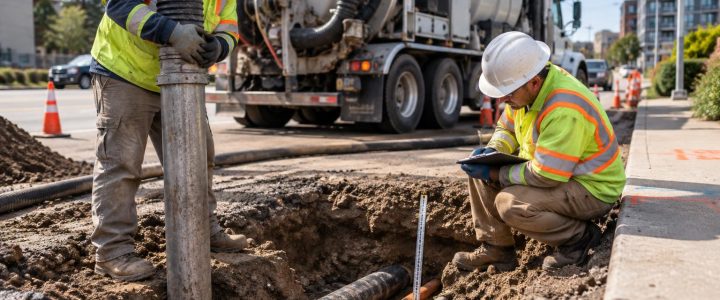
Underground utilities are, by their very nature, out of sight. However, their invisibility does not diminish their danger. Striking a buried gas line, water main, or high-voltage power cable during excavation can lead to catastrophic outcomes. These incidents not only endanger workers but can also have far-reaching consequences for surrounding communities.
One of the most severe safety risks is hitting a natural gas pipeline. Even a small rupture can lead to explosions, fires, or hazardous gas leaks, putting lives at risk. For instance, in 2022, a construction crew in the Midwest accidentally ruptured a gas line, causing a massive explosion that injured multiple workers and necessitated the evacuation of nearby neighborhoods. This tragic incident underscores the critical importance of locating and identifying utilities before beginning any ground excavation.
High-voltage power lines pose another lethal risk. Contact with live cables during digging can result in electrocution or arc flashes that cause severe injuries or fatalities. Additionally, water and sewage pipes can harbor health hazards such as exposure to contaminated water or the unintentional release of untreated sewage into public areas. Each of these scenarios highlights the critical safety challenges that underground utilities bring to construction sites.
Financial Fallout: The High Costs of Utility Strikes

The financial repercussions of encountering underground utilities can be as devastating as the safety risks. A single utility strike can halt progress on a project, incur significant fines, and necessitate costly repairs. These delays can cascade, disrupting schedules and causing construction companies to miss critical deadlines.
Insurance claims related to utility strikes often lead to increased premiums, which can severely impact a company’s bottom line over time. Legal liabilities can also escalate if a utility strike results in damage to public property or private businesses. In extreme cases, companies face lawsuits or regulatory penalties, tarnishing their reputation and leading to lost business opportunities.
Furthermore, the indirect costs of utility strikes—such as delays in obtaining permits, re-engineering project designs, or renegotiating contracts—can accumulate quickly. A report from the Common Ground Alliance (CGA) estimated that utility strikes cost the U.S. economy over $30 billion annually. This staggering figure underscores the widespread financial impact of mishandling underground utilities.
Regulations and Responsibilities: The Legal Landscape

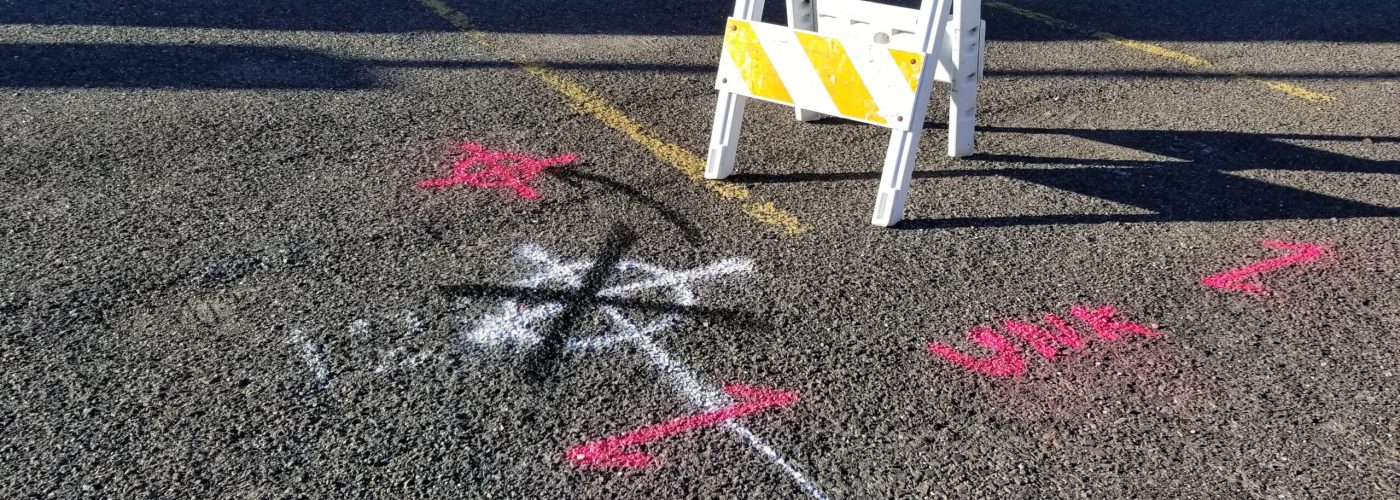
In many regions, strict regulations govern the handling of underground utilities. In the United States, for example, the “Call Before You Dig” initiative mandates that construction companies contact local utility marking services before commencing excavation. However, compliance is not always straightforward. Coordinating with utility providers to mark lines can be time-consuming, and discrepancies between marked lines and actual utility locations can still occur.
When accidents happen, determining liability is often a complex and contentious process. Was the utility line improperly marked? Did the construction crew follow safety protocols? These questions are not always easy to answer, and disputes can drag on for months or even years. Construction and engineering firms must navigate this legal minefield carefully to protect themselves from liability and ensure compliance with all applicable regulations.
Why Locating Underground Utilities Is So Difficult
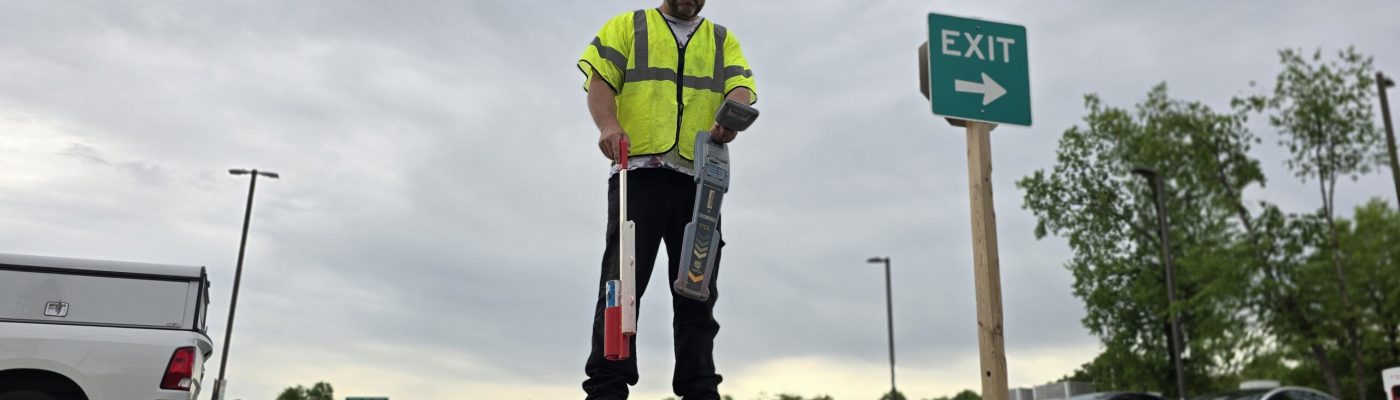
Given the risks, one might wonder why underground utilities are not simply identified and avoided during construction. Unfortunately, the reality is far more complex. Accurate mapping of underground utilities is often incomplete or outdated. Urban development over decades or centuries has created a dense and sometimes chaotic web of utility lines, many of which are unrecorded or improperly marked.
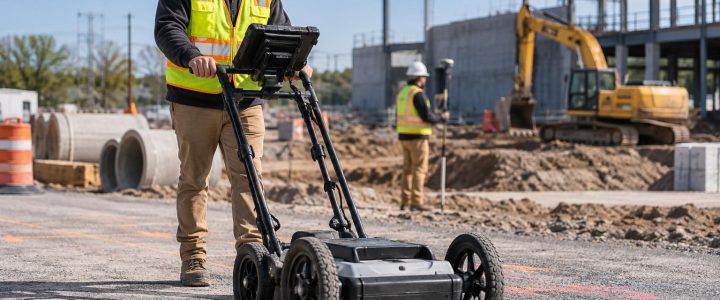
Even when maps exist, they may not reflect the exact positioning of underground lines. Soil erosion, shifting ground, and previous construction activities can alter the location of these utilities, rendering records unreliable. As a result, construction crews must often rely on non-invasive technologies like ground-penetrating radar (GPR) and electromagnetic locators, which, while effective, are not foolproof.
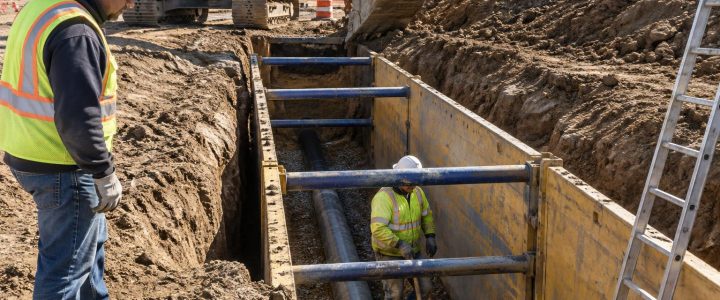
Another complicating factor is the varying depths and materials of underground utilities. Some utilities are buried just a few inches beneath the surface, while others lie several feet deep. The materials used—such as metal, plastic, or concrete—can also affect detection, as certain materials may not be picked up by standard scanning equipment.
Technological Solutions: Mitigating the Risks
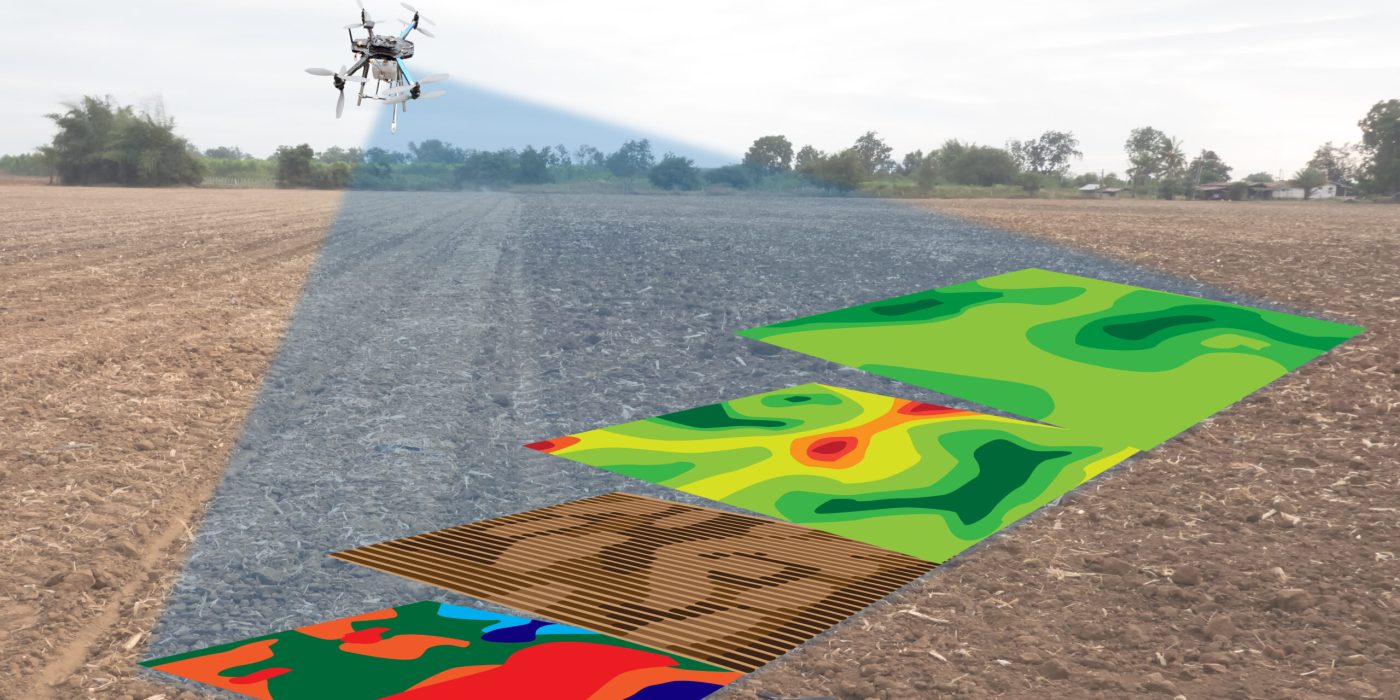
In recent years, technological advancements have offered new tools for identifying and managing underground utilities. Ground-penetrating radar, for instance, provides detailed subsurface images, helping crews locate utilities with greater precision. Geographic Information Systems (GIS) have also become invaluable, offering dynamic, up-to-date maps that integrate various data layers, from utility lines to topographical features.
However, these technologies come with their own challenges. GPR, while powerful, requires trained operators and is limited by soil conditions, such as high moisture content or rocky terrain. GIS systems, on the other hand, are only as reliable as the data they contain, which often requires significant investment in data collection and updating.
Drones equipped with advanced sensors have also emerged as a potential solution, offering a bird’s-eye view of project sites and enhancing situational awareness. By combining these technologies with traditional methods like manual probing and potholing, construction companies can create a comprehensive approach to utility detection.
The Importance of Training and Expertise

No matter how advanced the technology, human expertise remains a critical component of safely managing underground utilities. Proper training ensures that workers understand the risks involved, know how to interpret utility maps and markings, and can operate detection equipment effectively.
Regular safety briefings and drills should be a cornerstone of any construction company’s approach to underground utilities. Training programs should also emphasize the importance of communication and coordination among team members, utility providers, and project stakeholders. When everyone understands their role and responsibilities, the likelihood of accidents decreases significantly.
Case Studies: Lessons Learned from the Field
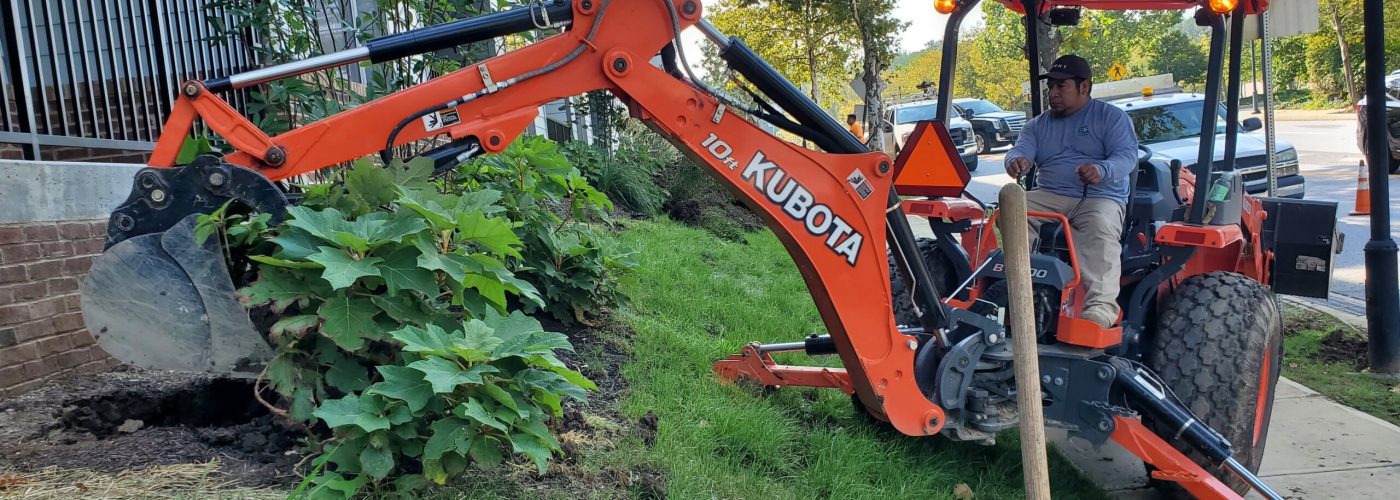
Real-world examples highlight the importance of proactive utility management. In one case, a construction firm in Texas successfully avoided major delays and safety hazards by investing heavily in pre-construction planning and utility detection. Using a combination of GPR, manual potholing, and GIS data, the company identified a cluster of unmarked utilities that could have led to disastrous outcomes. By addressing these issues upfront, the firm completed the project on time and within budget, showcasing the value of thorough preparation.
Conversely, a poorly managed project in California resulted in the rupture of a major water main, flooding nearby businesses and halting construction for weeks. The ensuing lawsuits and repair costs exceeded $5 million, serving as a cautionary tale for companies that neglect due diligence.
The Path Forward: Building a Culture of Safety
The risks posed by underground utilities are unlikely to disappear, but construction and engineering companies can mitigate them through a combination of technology, training, and cultural change. Building a culture of safety begins with leadership. When executives prioritize safety and allocate resources to utility management, it sends a powerful message to employees, partners, and clients.
Fostering a proactive approach to risk management is also crucial. This means anticipating problems before they arise, investing in advanced detection technologies, and maintaining open lines of communication with utility providers. Additionally, companies should document their processes meticulously, creating a paper trail that demonstrates compliance and due diligence.
Conclusion: Navigating the Hidden World Below
Underground utilities are both a boon and a bane for modern construction. While they enable the conveniences of urban life, they also pose significant challenges for those tasked with navigating their complexities. For construction and engineering companies, the stakes are high. A single misstep can result in loss of life, financial ruin, and irreparable damage to a company’s reputation.
By embracing a comprehensive approach that combines cutting-edge technology, rigorous training, and a commitment to safety, companies can reduce the risks associated with underground utilities. The key lies in viewing these challenges not as insurmountable obstacles but as opportunities to innovate and improve. In doing so, the industry can build safer, more efficient projects that stand the test of time.