Rigging incidents can develop quickly. A load shifts, a sling is damaged, the center of gravity is misjudged, or someone steps into the fall zone at the wrong time. The result can be a struck-by, caught-between, or crushing injury, as well as major equipment and property damage.
Good construction rigging safety starts before the crane, telehandler, excavator, or other lifting equipment takes the weight. The crew needs a clear plan for the load, the rigging, the lift path, the landing area, and communication. A short pre-lift discussion can expose problems that are difficult to correct once a load is suspended.
This guide focuses on practical field controls for routine construction lifts. Complex, critical, or unusual lifts may require a more detailed engineered lift plan and additional review by qualified personnel.
Why rigging failures happen
Rigging is more than attaching a sling to a hook. Each part of the system affects the lift: the load, lifting device, hooks, shackles, slings, connection points, equipment capacity, ground conditions, and the people working nearby.
Common causes of lifting incidents include:
- Using rigging with missing identification, visible damage, or unknown capacity.
- Estimating load weight instead of confirming it from drawings, tags, supplier information, or reliable calculations.
- Ignoring how sling angle increases tension in the sling legs.
- Connecting to an attachment point not designed for lifting.
- Failing to identify the load’s center of gravity before lifting.
- Allowing workers to stand under, ride, guide by hand, or work too close to a suspended load.
- Trying to correct a rotating or unstable load after it is already in the air.
- Poor communication among the operator, signal person, rigger, and nearby trades.
These problems often overlap. For example, an unknown load weight combined with a shallow sling angle and a rushed lift can overload a sling even when the crane or machine appears large enough for the task.
Before You Start: Ask the questions that control the lift
Before rigging begins, the supervisor and lift crew should walk through the work area and answer a few basic questions. This is a practical pre-task planning step, not paperwork for its own sake.
- What is being lifted? Confirm the item, dimensions, approximate shape, weight, and whether it contains loose, shifting, or unbalanced contents.
- Where are the approved lifting points? Use manufacturer-provided lugs, eyes, or designated pick points when available. Do not assume a hole, handle, guard, pipe, or structural member is suitable for lifting.
- What rigging is needed? Select slings and hardware with appropriate rated capacity for the planned configuration, including sling angle and hitch type.
- What equipment is making the lift? Check the applicable load chart, attachments, operating radius, boom angle, and any site or manufacturer limitations.
- Where will the load travel and land? Identify the travel path, obstructions, overhead hazards, uneven ground, open edges, excavations, and the final landing area.
- Who is in charge of signals? Establish one designated signal person when signals are needed. Everyone should understand the stop signal and the process for stopping work if conditions change.
- Who needs to stay clear? Set an exclusion zone that keeps workers out of the fall zone and away from pinch points, swing areas, and the landing zone.
If the crew cannot answer these questions confidently, the right response is to pause and get the information needed. Do not turn an unknown condition into a trial lift.
Build the lift around the hierarchy of controls
PPE matters, but a hard hat and gloves do not prevent a suspended load from falling or swinging. The most reliable controls remove exposure before the lift starts.
Eliminate unnecessary lifting
Consider whether the item can be delivered closer to its final location, assembled at grade, moved in smaller sections, or placed with a method that does not require workers to be near a suspended load. Eliminating a lift or keeping people out of its path is stronger than relying on workers to react quickly.
Use engineering and equipment controls
Choose equipment and lifting accessories suited to the task. This can include purpose-built lifting lugs, spreader beams, lifting frames, self-leveling devices, engineered picks, and tag lines where they can be used without creating a new entanglement or line-of-fire hazard.
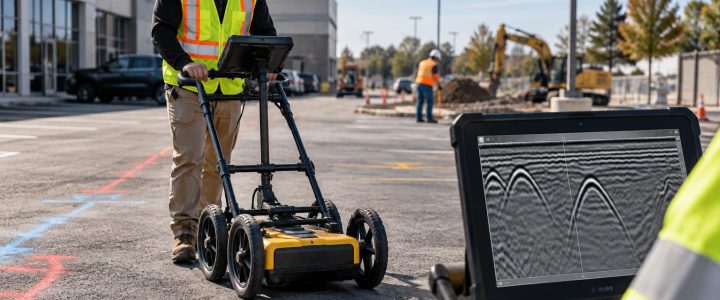
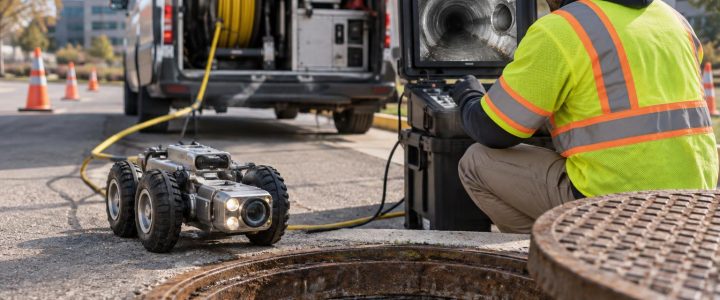
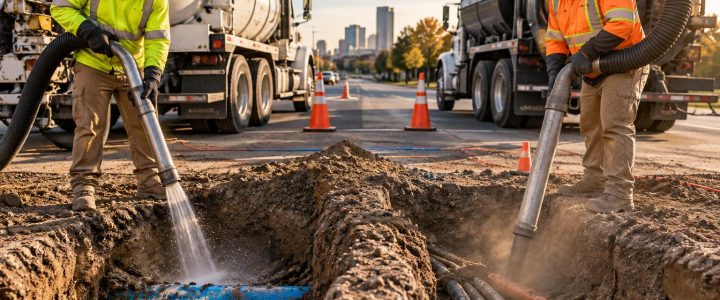
Make sure the supporting surface is suitable for the equipment. A lift plan can fail if an outrigger, crawler, forklift, or telehandler is positioned on unstable soil, near an excavation edge, or over unverified underground structures. Follow the equipment manufacturer’s instructions and site-specific requirements for setup and operation.
Use administrative controls to keep the work organized
Assign roles before the lift. The operator should know who is authorized to signal. The rigger should know who will inspect and connect the rigging. The signal person should have a clear view of the load and travel path whenever possible. Nearby crews should know that the area is restricted.
A brief pause before the load leaves the ground is especially valuable. Raise it only enough to confirm that the load is balanced, the rigging is seated correctly, and no hardware is binding or side-loaded. If anything looks wrong, lower the load and correct it on the ground.
Use PPE as the final layer
Appropriate PPE may include head protection, safety footwear, gloves suited to the material being handled, eye protection, and high-visibility clothing where mobile equipment is present. PPE should support a sound plan, not substitute for one.
Inspect slings and hardware before use
Workers should inspect rigging before use and remove questionable items from service according to employer procedures and manufacturer guidance. Inspection is not just a quick glance at the sling body. Look at the complete assembly, including hooks, shackles, links, latches, tags, and connection points.
Warning signs on common rigging
- Wire rope slings: broken wires, kinks, crushing, birdcaging, corrosion, heat damage, damaged eyes, or distorted fittings.
- Synthetic web or round slings: cuts, tears, broken stitching, melted or glazed fibers, chemical damage, knots, missing tags, or excessive abrasion.
- Chain slings: stretched, bent, twisted, cracked, gouged, or worn links; damaged hooks; or makeshift repairs.
- Shackles and hooks: bent or spread shapes, cracks, damaged threads, missing pins, altered components, excessive wear, or a missing or malfunctioning hook latch where one is required by the equipment design or work practice.
Do not use knots to shorten slings. Do not use bolts, rebar, or improvised pins in place of rated shackle pins. Do not modify lifting hardware in the field unless the manufacturer specifically permits the method. A component that looks almost right may no longer carry its rated capacity.
Understand load weight, center of gravity, and sling angle
The load must be within the capacity of the lifting equipment and every component in the rigging system. Load weight may be available from a shipping document, equipment manual, drawing, product tag, or supplier. If weight cannot be confirmed, treat that as a planning issue to resolve before the lift.
The center of gravity is the point where the load balances. It may not be in the middle. Equipment with motors, attachments, uneven contents, or offset components can tilt or rotate unexpectedly when picked from symmetrical-looking points.
Sling angle is another frequent source of trouble. As sling legs move farther away from vertical, the tension in each leg rises. A wide bridle may place much more force on each sling leg and connection point than workers expect. Select the sling configuration using the manufacturer’s rated-capacity information and the actual planned angle. If the angle is uncertain, involve a qualified rigger or other appropriate competent resource before proceeding.
Control the fall zone and line-of-fire hazards
The safest place for workers during a lift is outside the load’s travel path, swing path, and potential fall zone. This includes workers who are not part of the lifting crew. Barricades, cones, spotters, signs, or temporary access changes may be needed to keep other trades from walking through the area.
Workers should never place hands, feet, or bodies between a moving load and a fixed object. When a load is being set, use proper tools or designated control methods to keep hands clear of pinch points. Do not try to stop a swinging load by standing in its path.
Tag lines can help control rotation or drift in certain lifts, but they are not automatically the answer. The line needs to be long enough to keep the worker out of the fall zone and clear of the load. Workers should not wrap tag lines around their hands or bodies, and the line should not create a snag, trip, or entanglement hazard.
Communication is a lifting control, not a courtesy
One person should provide routine signals to the operator when signaling is needed. The operator should understand that anyone can give a stop signal when they see a hazard. Use a communication method that matches the site conditions: standard hand signals, radios, or a combination of both.
Before the lift, confirm:
- Who is the designated signal person.
- How the crew will communicate if the operator loses sight of the signal person.
- What signal or radio phrase means stop.
- Where the signal person will stand to remain visible and out of danger.
- What will happen if the load must be held, landed, or redirected.
Noise, blind spots, multiple employers, poor lighting, and changing weather can all break down communication. Stop the lift when communication is unclear rather than guessing.
Common rigging mistakes to avoid
- Do not lift first and inspect later. Check the rigging, load, route, and landing area before tension is applied.
- Do not rely on memory for capacity. Read the identification and applicable capacity information for the actual configuration.
- Do not side-load hooks, shackles, or lifting lugs. Align the load and rigging as intended by the component manufacturer.
- Do not work beneath a suspended load. Plan the work so people do not need to enter that area.
- Do not rush the landing. Keep hands clear, stabilize the load, and ensure the support surface can carry it before removing rigging.
- Do not assume routine means low risk. Repetitive lifts still change when the load, weather, access, equipment setup, or crew changes.
A field checklist for routine lifts
Use this quick construction safety checklist as a starting point for a pre-lift discussion:
- Load weight and center of gravity are known or reasonably verified.
- Lifting points are approved and undamaged.
- Equipment capacity is suitable for the setup and lift radius.
- Rigging and hardware are identified, rated, and inspected.
- Sling angles and hitch configuration are accounted for.
- Ground, access, overhead clearance, and travel path are evaluated.
- Landing area is ready and stable.
- One signal person and a clear stop-work process are established.
- Workers and other trades are outside the exclusion zone.
- The crew has a plan for unexpected load movement or changing conditions.
Regulatory and training considerations
OSHA construction requirements apply to many crane and derrick operations, while equipment manufacturers provide operating limits and instructions that must be considered for the specific machine and attachments in use. The details that apply can depend on the equipment, lift type, employer role, and work location. Review the applicable requirements and use trained, qualified personnel for the responsibilities assigned.
For further reference, OSHA provides information on Cranes and Derricks in Construction, and CPWR offers practical resources on construction safety and health. Employer programs, project specifications, local requirements, and manufacturer instructions may impose additional controls.
Make the pause before the lift part of the routine
Safe lifting is not about slowing work down without reason. It is about preventing the type of failure that can stop a project, damage equipment, or seriously injure someone in seconds. Confirm the load, select and inspect the rigging, control the area, and make sure the crew shares the same plan before the hook moves.
For projects where lifting work intersects with congested sites, excavation, or unknown underground conditions, contact Visionary Subsurface Solutions to discuss your project and the information needed to support safer planning.