A utility strike can have devastating consequences, affecting businesses, communities, and individuals in ways that extend far beyond the initial damage. When underground utilities are hit—whether it’s a gas line, water main, or electrical cable—the financial, legal, environmental, and social repercussions can be staggering. While some may think of utility strikes as rare accidents, they are more common than many realize and can result in costs that escalate quickly.
From multi-million-dollar lawsuits to widespread power outages and even loss of life, the true cost of hitting an underground utility extends far beyond the immediate repair bill. Many companies and contractors underestimate the risks, often failing to take proper precautions or misjudging the impact of a strike. The reality is that these incidents can cripple businesses, delay projects, and lead to regulatory nightmares. In this post, we’ll explore the five major ways a utility strike can wreak havoc—financially, legally, environmentally, socially, and in terms of reputation.
If you’re in construction, excavation, or any industry that involves digging, this is a wake-up call. Understanding the full cost of a utility strike isn’t just about protecting your bottom line—it’s about ensuring safety, compliance, and long-term business success. Read on to discover the hidden dangers and real-world consequences of utility strikes.
The Financial Fallout: Why a Utility Strike Can Cost Millions

The first and most immediate consequence of a utility strike is financial. Many businesses assume that hitting a water or gas line will only cost them the price of repairing the damage, but this is far from the truth. The direct repair costs—although often expensive—are just the tip of the iceberg. Indirect costs, such as project delays, regulatory fines, and emergency response expenses, can skyrocket in ways that few companies are prepared to handle. When underground utilities are hit, companies may face significant downtime while waiting for emergency crews to assess and repair the damage. This means lost productivity, rescheduling of workers, and additional costs to reroute services—all of which can add up quickly.
Beyond immediate expenses, businesses often face costly legal battles after a utility strike. If a strike causes an extended power outage or water contamination, affected parties may file lawsuits for damages. This can include businesses that lost revenue, homeowners who suffered property damage, or even municipalities seeking compensation for emergency response efforts. Legal fees alone can be devastating, but when settlements or court-ordered payouts are factored in, the total cost can reach into the millions. A single mistake in identifying underground utilities before excavation can wipe out an entire year’s profits or even bankrupt a company.
Insurance may cover some of these costs, but it’s often not enough to prevent financial disaster. Many policies have strict limitations on what they will pay in the event of a utility strike, and if negligence is involved, insurers may refuse to pay at all. Additionally, increased insurance premiums following a claim can burden a company for years, further eroding profits. The bottom line is that utility strikes are among the most expensive mistakes a business can make, and the financial repercussions extend far beyond the immediate aftermath of the incident.
Legal Nightmares: The Lawsuits and Fines That Can Ruin You

If you think a utility strike is just a minor setback, think again. The legal ramifications can be severe, with companies facing lawsuits, fines, and even criminal charges in extreme cases. Governments and regulatory bodies take utility strikes seriously, and penalties can be devastating, particularly when negligence is involved. Fines for non-compliance with safety regulations can be astronomical, and repeated violations may lead to a company being banned from future projects or losing its operating licenses altogether.
One of the biggest legal risks comes from lawsuits filed by those affected by a strike. If a gas line explosion damages nearby homes or businesses, those impacted will almost certainly seek compensation for their losses. A single lawsuit can cost millions in legal fees, settlements, or court-ordered payouts. In some cases, individuals injured by a utility strike—such as workers or civilians caught in an explosion or electrical shock—can sue for medical expenses, lost wages, and pain and suffering. These cases often result in massive settlements that companies struggle to afford.
Government agencies also impose strict penalties on companies that fail to follow safety protocols. In many jurisdictions, failing to call for utility location services before digging is not just dangerous—it’s illegal. Fines for violating these regulations can be tens of thousands of dollars per infraction, and when multiple violations occur, they add up quickly. In cases where a utility strike leads to fatalities, criminal charges can even be filed against those responsible. Companies that fail to take proper precautions risk not only their financial well-being but also the careers and freedom of their executives and managers.
The Environmental Disaster No One Talks About

When people think of environmental disasters, they often picture oil spills or industrial waste dumping, but utility strikes can cause just as much harm. Striking a sewer line can release raw sewage into waterways, contaminating local water supplies and endangering public health. Hitting a gas line can lead to dangerous leaks or explosions, spreading pollutants into the air and soil. Even something as seemingly harmless as a water main break can have disastrous environmental effects, washing away soil, eroding landscapes, and damaging ecosystems.
One of the most overlooked environmental risks of utility strikes is the contamination of groundwater. Damaged pipes can release harmful chemicals into underground water supplies, affecting drinking water for entire communities. The cleanup efforts required to remediate these issues are expensive and time-consuming, often involving extensive excavation, soil replacement, and water treatment. In some cases, businesses responsible for the strike are forced to pay for years of environmental monitoring and restoration, adding yet another layer of long-term cost.
The damage caused by a utility strike can last far beyond the initial incident. Contaminated land can take years to recover, and the companies responsible often face not just fines but also the burden of long-term environmental restoration. These costs, combined with the damage to a company’s reputation and the potential for legal action, make environmental consequences one of the most serious aspects of a utility strike. Companies that fail to take this risk seriously are gambling with not just their financial health but also the health and safety of the communities they serve.
The Social Chaos and Community Impact You Didn't Expect

A utility strike doesn’t just affect businesses—it can bring entire communities to a standstill. Imagine a major gas line explosion forcing hundreds of families to evacuate their homes or a water main break cutting off access to clean drinking water for days. These incidents create chaos, disrupt daily life, and leave residents and businesses struggling to recover. When utilities are down, schools close, hospitals struggle to operate, and local businesses suffer massive revenue losses.
Beyond the immediate inconvenience, utility strikes can create long-term economic problems for communities. Small businesses that rely on power, water, or internet services may be forced to shut down permanently if outages last too long. Homeowners facing expensive repairs due to flooding or electrical surges may be unable to recover financially, leading to foreclosures and declining property values. The ripple effects of a single incident can impact an entire region, creating instability and economic hardship that lingers long after the initial event.
Perhaps the most devastating social impact is the loss of trust. When a company causes a major utility strike, public confidence in its ability to operate safely is shattered. Community members may protest new construction projects, demand stricter regulations, or refuse to do business with companies that have a history of negligence. Rebuilding trust after such an incident is incredibly difficult, and many companies never fully recover from the reputational damage caused by a major utility strike.
Reputation Ruined: The PR Nightmare That Never Ends

In the age of social media, bad news spreads faster than ever, and a utility strike can quickly turn into a public relations catastrophe. One viral video of a gas explosion or a flooded neighborhood can destroy a company’s reputation overnight. News outlets pick up the story, social media amplifies it, and before long, customers, investors, and regulators are all demanding answers.
A company’s response in the aftermath of a utility strike is critical. If handled poorly, public outrage can escalate, leading to boycotts, canceled contracts, and long-term damage to the brand. Even companies that take full responsibility often struggle to rebuild their reputation, as negative press coverage lingers for years. The impact on future business opportunities is significant—clients may hesitate to hire a company with a history of safety violations, and investors may pull funding from projects seen as high-risk.
Ultimately, the true cost of a utility strike isn’t just measured in dollars—it’s measured in trust, credibility, and the long-term viability of a business. The only way to avoid this fate is to take proactive steps to prevent strikes from happening in the first place. Cutting corners on safety is never worth the risk, and companies that fail to prioritize proper planning, training, and compliance are setting themselves up for disaster.
Partnering with Experts for Peace of Mind

While internal safety measures are crucial, sometimes specialized expertise is necessary to truly mitigate the risks associated with utility strikes. Navigating the complex world of underground infrastructure requires more than just a shovel and a prayer. This is where partnering with a private utility locating company, like Visionary Subsurface Solutions, becomes invaluable. Specialized firms like VSS bring a level of expertise and technology that can significantly reduce the likelihood of a costly and dangerous utility strike.
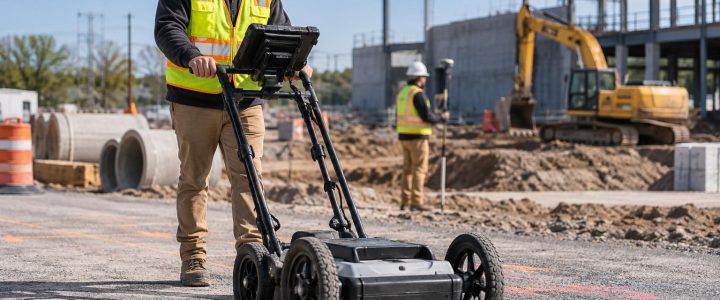
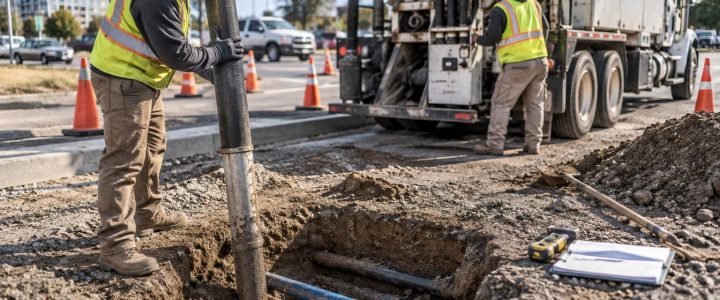
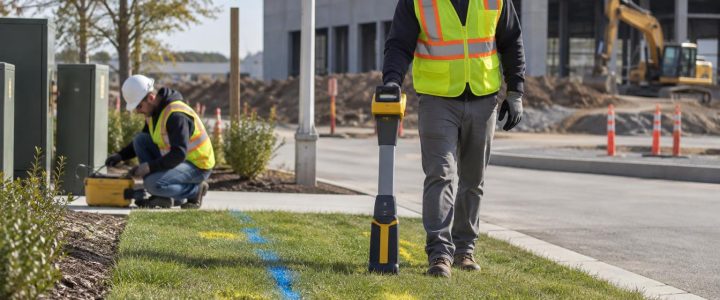
Visionary Subsurface Solutions, for example, employs advanced techniques like ground penetrating radar (GPR), electromagnetic (EM) locating, and vacuum excavation to accurately identify and mark the location of underground utilities. This goes beyond simply relying on outdated or incomplete utility maps, which are often the root cause of accidental strikes. Their trained professionals understand the nuances of different utility types and can interpret complex data to provide a comprehensive picture of what lies beneath the surface.
Investing in a private utility locating company isn’t just an expense; it’s an investment in the safety and success of your project. By partnering with experts like Visionary Subsurface Solutions, you gain access to their specialized knowledge, cutting-edge technology, and proven methodologies. This proactive approach can save you significant time, money, and headaches in the long run by preventing costly strikes, minimizing project delays, and protecting your reputation. It’s about peace of mind, knowing that you’ve taken every possible precaution to safeguard your workers, your project, and your future.