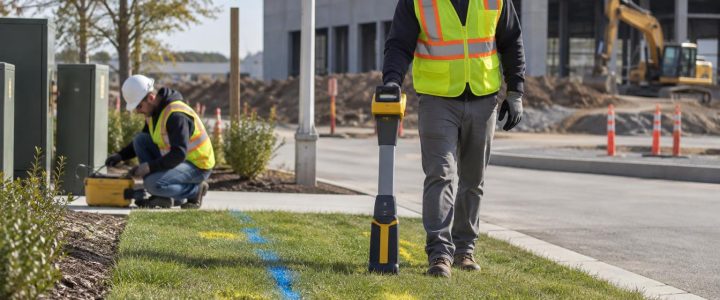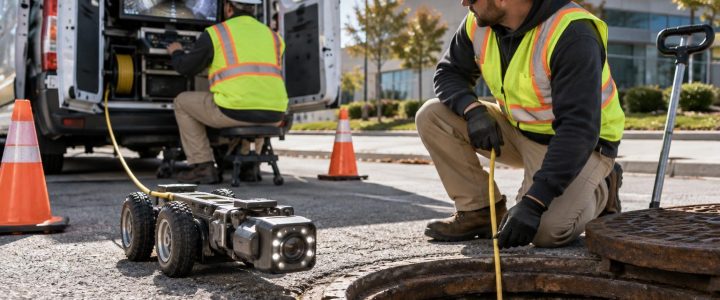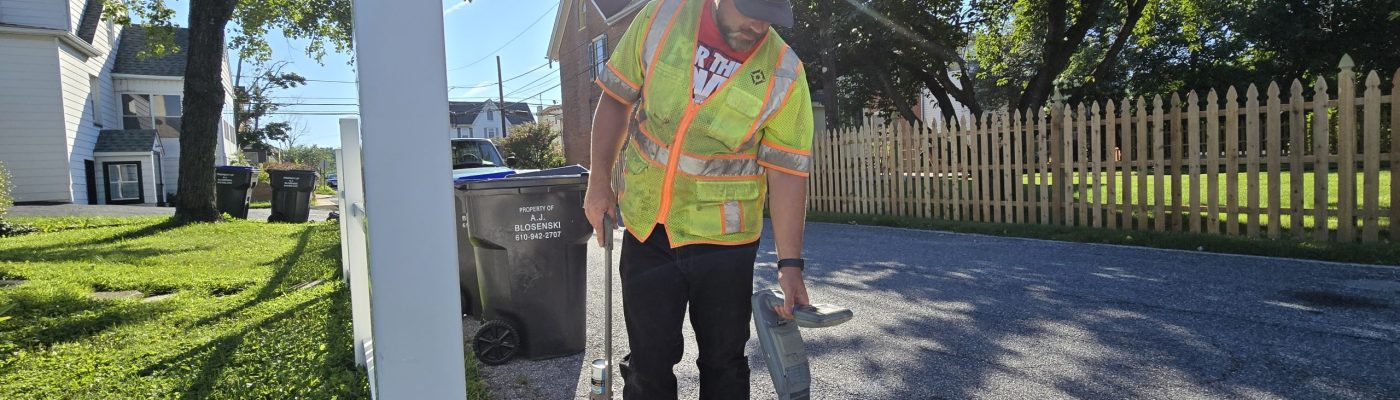
We walk, drive, and build on land that conceals a complex network of underground utilities. These unseen lifelines – carrying everything from water and gas to electricity and communication signals – are essential to our modern lives. But they also pose a significant danger if disturbed. That’s why underground utility locating is so crucial. Yet, despite its importance, this field is shrouded in misconceptions. This blog post aims to debunk those myths, revealing the realities of underground utility locating and emphasizing its critical role in safety and project success. We’ll delve into the common misunderstandings, exploring the technologies, processes, and best practices that ensure the safety of workers, the public, and infrastructure.
One-Call Marks it All: Debunking the 811 Myth
Many believe that simply dialing 811 before digging is all it takes to ensure safety. While calling 811 is absolutely essential and legally required in every state, it’s not a magic bullet. It’s the first step, not the entire process. The 811 call initiates the process of having utility companies mark their lines, but the accuracy timeliness, and completeness of those markings aren’t guaranteed.
Another misconception is that the marks are permanent. Paint fades, flags disappear, and the markout can become obscured or illegible during construction activities. Relying solely on old markings can be a recipe for disaster. Underground utilities can be moved, added, or abandoned, and records may not always reflect the current reality. Therefore, it’s crucial to remember that utility locating is an ongoing process, not a one-time event.
Finally, some assume that 811 covers all utilities. However, it typically focuses on publicly owned and maintained lines. Private utilities, such as those running to a detached garage or a sprinkler system, are often not included. These private lines can be just as dangerous as public ones, and locating them requires additional effort and specialized services.
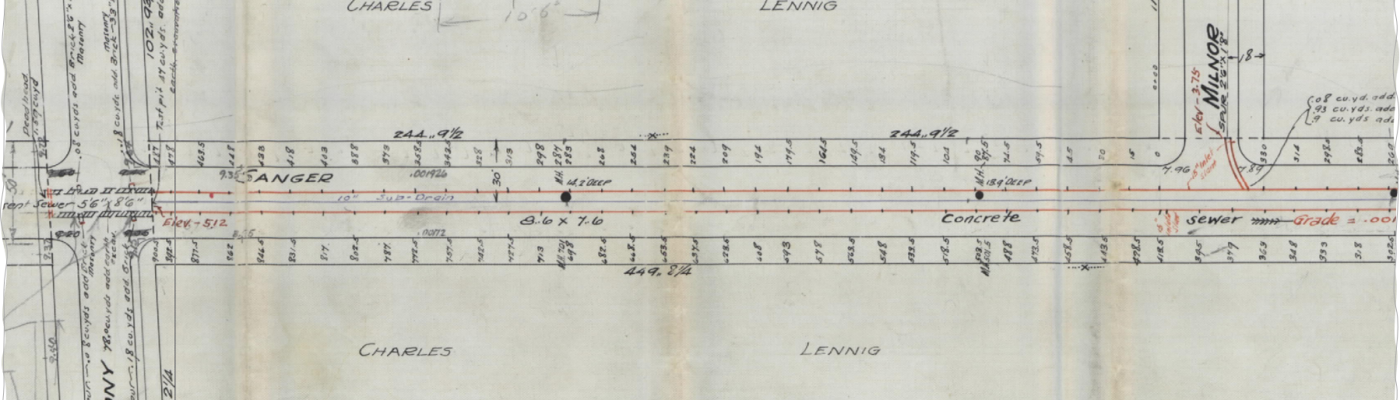
But the utility record says... The Perils of Relying on Old Information
One common myth is that maps and blueprints provide a complete and accurate picture of underground utilities. While these documents can be a valuable starting point, they are often outdated or incomplete. Utility infrastructure is constantly evolving, with new lines being added, old ones being decommissioned, and existing lines being relocated.
Furthermore, maps may not accurately reflect the depth of utilities. A line depicted on a map might be several feet shallower or deeper in reality, posing a significant hazard during excavation. Relying solely on maps can create a false sense of security, leading to potentially disastrous consequences.
Another misconception is that maps are always readily available. In some areas, especially older or rural locations, records may be incomplete, poorly maintained, or even non-existent. This lack of information underscores the importance of professional utility locating services, which employ specialized tools and expertise to identify and mark underground lines even when maps are unreliable.
One Size Doesn't Fit All: Understanding the Limitations of Technology
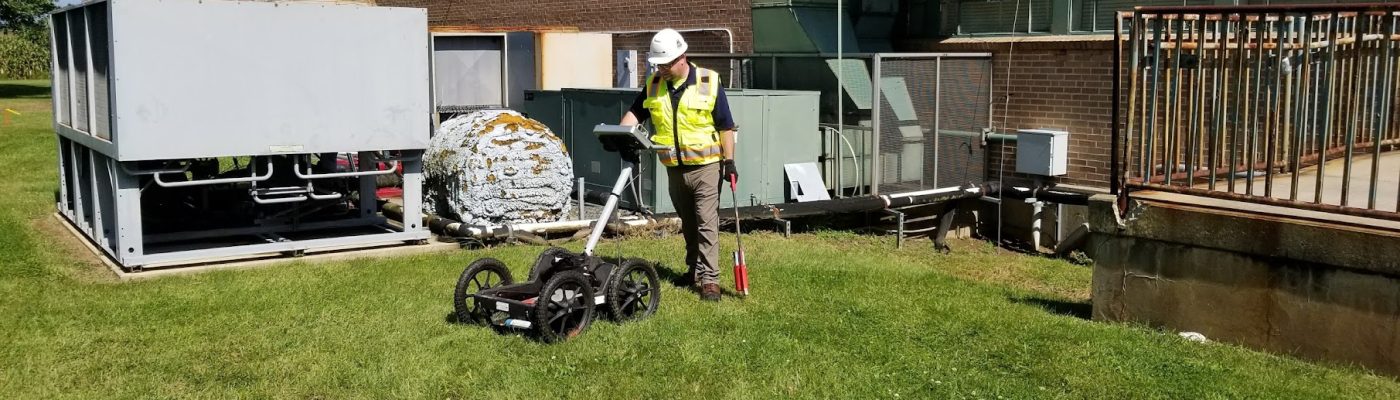
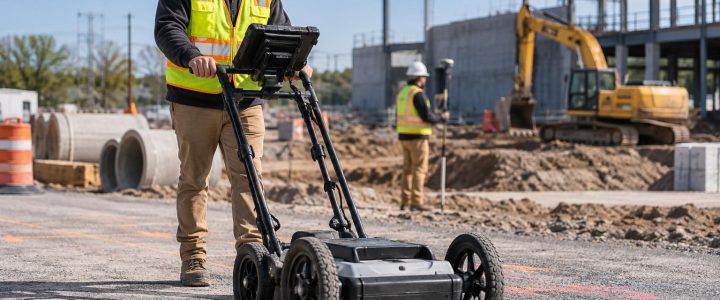
Many believe that technology like ground-penetrating radar (GPR) can magically reveal all underground utilities. While GPR is a powerful tool, it has limitations. Its effectiveness depends on various factors, including soil conditions, the type of utility material, and the presence of other underground objects.
Another myth is that GPR can identify the specific type of utility. While it can detect the presence of a buried object, it can’t always distinguish between a gas line, a water pipe, or a fiber optic cable. This requires additional investigation and techniques to confirm the nature of the utility.
Finally, some assume that GPR is a foolproof technology that requires no expertise to operate. In reality, interpreting GPR data requires specialized training and experience. Misinterpreting the data can lead to inaccurate conclusions and potentially dangerous situations. Therefore, it’s crucial to rely on qualified professionals who understand the nuances of GPR and other locating technologies.
I Never Hit Nothing: Underestimating the Dangers of Excavation
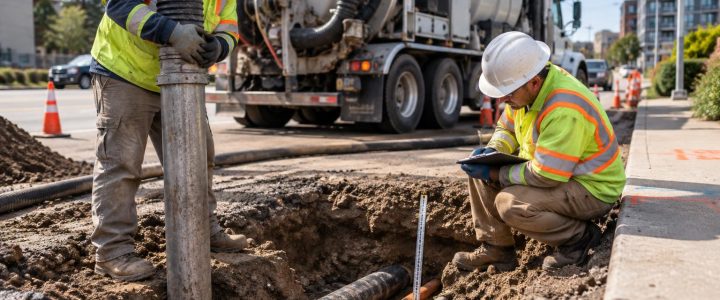
One pervasive myth is that digging is a simple and low-risk activity. In reality, excavation is one of the most hazardous tasks in construction and other industries. Striking an underground utility can result in serious injuries, property damage, service disruptions, and even fatalities.
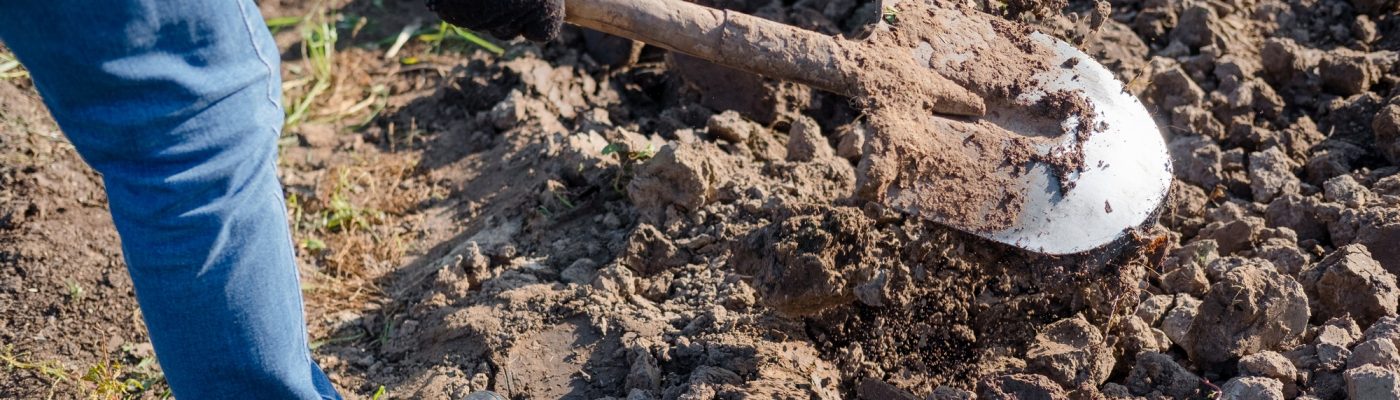
Another misconception is that small-scale digging, such as planting a tree or installing a fence, doesn’t pose a significant risk. Even shallow digging can damage underground lines, especially if the location is not accurately marked. It’s crucial to remember that any excavation, regardless of size, requires careful planning and adherence to safety procedures.
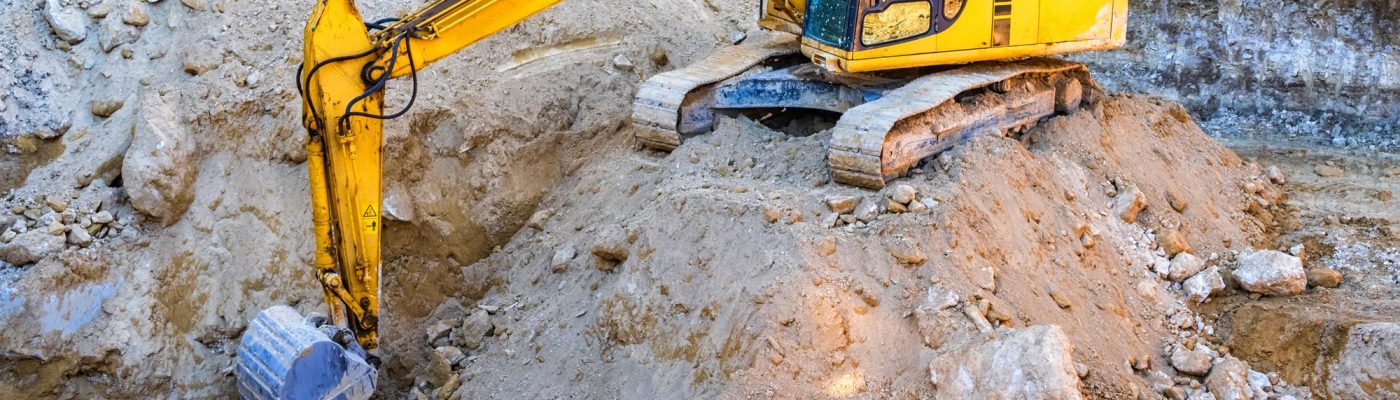
Finally, some underestimate the force of heavy machinery. A backhoe or excavator can easily crush or sever underground utilities, even if the operator is being careful. That’s why it’s essential to have a clear understanding of the location of all utilities before operating any excavation equipment.
Cost VS. Investment: Valuing Expertise in Utility Locating
Some view professional utility locating services as an unnecessary expense. However, the cost of hiring qualified professionals is far outweighed by the potential consequences of damaging underground utilities. The cost of repairs, fines for violations, and potential lawsuits can be substantial.
Another misconception is that anyone can perform utility locating. In reality, it requires specialized knowledge, skills, and equipment. Professionals undergo extensive training and have experience in interpreting various locating technologies and data. They can also navigate the complex regulatory landscape and ensure compliance with all applicable laws and standards.
Finally, some assume that hiring professionals will delay the project. However, experienced locators can often complete the job quickly and efficiently, which in the long run will reduce potential downtime. Investing in professional utility locating is an investment in safety, efficiency, and risk mitigation.
Ignorance is Bliss: The Importance of Proactive Planning
A dangerous myth is that it’s better not to know the location of underground utilities. This “ignorance is bliss” mentality can have devastating consequences. Failing to plan for utility locating can lead to costly delays, accidents, and even legal repercussions. Ignoring the potential presence of underground utilities is not only irresponsible but also extremely dangerous. It puts workers, the public, and infrastructure at risk. Proactive planning is the cornerstone of safe excavation practices.
Another misconception is that utility locating is only necessary for large construction projects. In reality, any project that involves digging, regardless of size, requires careful planning and utility locating. This includes everything from building a new house to installing a swimming pool to planting a garden. Even seemingly minor digging activities can pose a risk if underground utilities are present. Taking the proper precautions is essential for any project that disturbs the ground. Homeowners and contractors should always prioritize safety.
Finally, some assume that they can rely on the experience of others. However, every site is unique, and conditions can change over time. It’s crucial to conduct your own due diligence and not rely solely on the information provided by others. Proactive planning and thorough utility locating are essential for ensuring the safety and success of any project. Don’t assume that because a previous project in the area didn’t encounter any issues, your project will be the same. Ground conditions, utility layouts, and even weather patterns can impact the location and integrity of underground lines. Taking a proactive approach and verifying the location of utilities for every project is the only way to minimize risk. This includes reviewing available records, contacting 811, and, when necessary, hiring professional utility locating services. Remember, safety is not an afterthought; it’s the foundation of any successful project.
Conclusion: Dig With Confidence
Underground utility locating is a critical component of safe excavation practices. By debunking the common myths and understanding the realities of this field, we can minimize the risks associated with digging and protect ourselves, our communities, and our infrastructure. Remember, calling 811 is just the first step. It’s essential to rely on qualified professionals, utilize appropriate technologies, and prioritize proactive planning to ensure that every project is completed safely and responsibly. Let’s bury the myths and unearth the truth about underground utility locating, paving the way for a safer and more productive future. By embracing best practices and fostering a culture of safety, we can create a work environment where everyone goes home safe at the end of the day. Protecting our underground infrastructure is not just a legal requirement; it’s our shared responsibility.