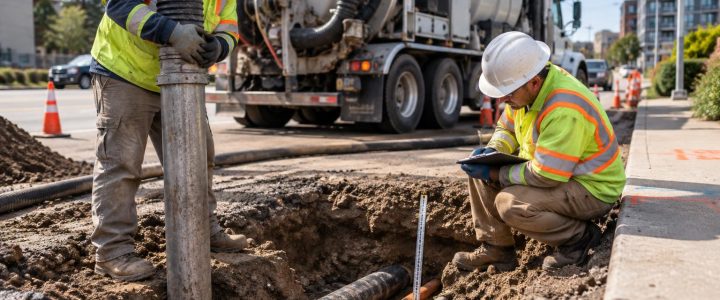
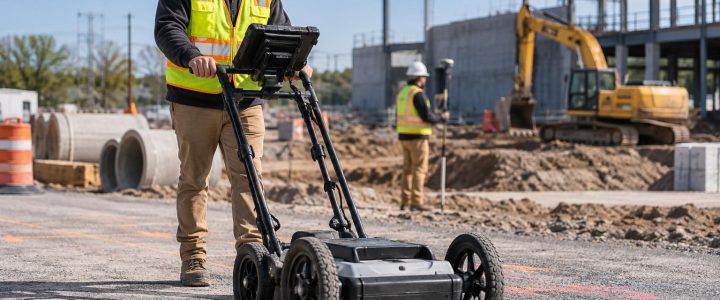
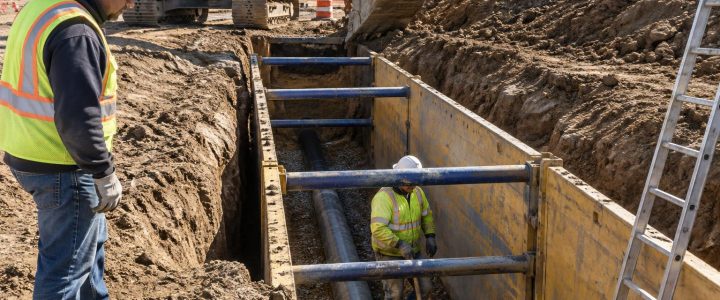
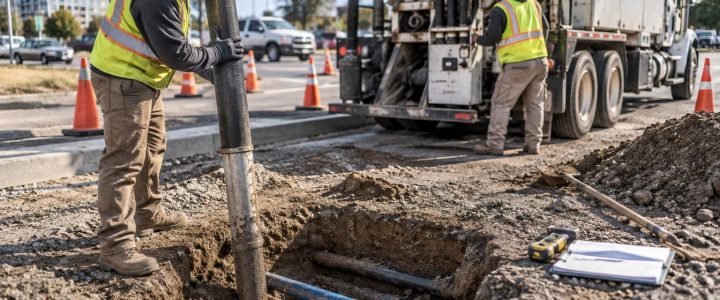
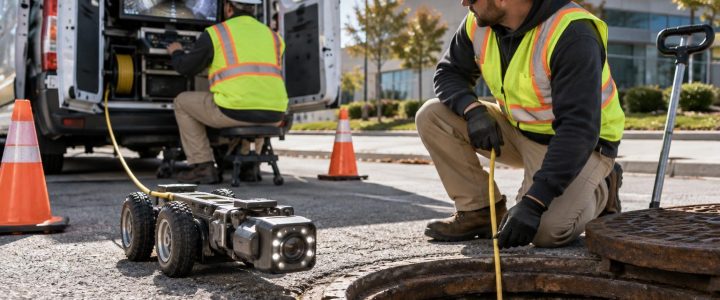
When it comes to exploring the hidden world below ground, two powerful technologies stand out: electromagnetic (EM) locators and ground penetrating radar (GPR). Both offer invaluable insights into the subsurface, but they operate on distinct principles and excel in different situations. This in-depth exploration will delve into the nuances of each technology, highlighting their strengths and weaknesses to help you determine the most suitable option for your specific needs.
Electromagnetic Locators: Tracing the Current

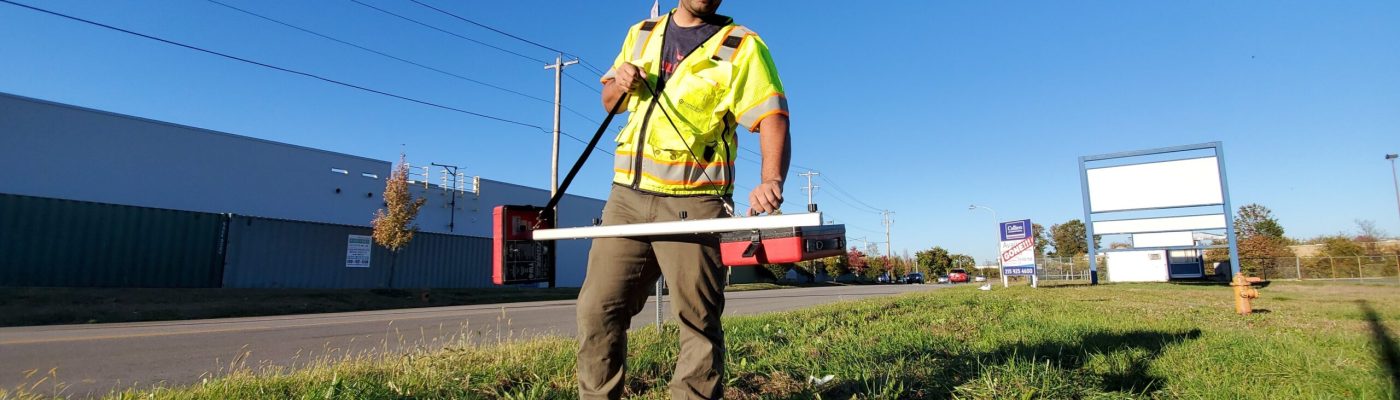
Electromagnetic locators function based on electromagnetic induction. They transmit an electromagnetic field into the ground, which interacts with conductive materials such as metal pipes, cables, and conduits. By analyzing the resulting signals, these devices can pinpoint the location and depth of buried utilities.
One of the primary advantages of EM locators is their speed and efficiency. They are relatively quick to deploy and operate, making them ideal for large-scale projects and time-sensitive applications. Furthermore, their ease of use contributes to their widespread adoption. Many EM locators feature intuitive interfaces and require minimal training to operate effectively.
However, the effectiveness of EM locators depends on the presence of a conductive path. Non-conductive materials, such as plastic pipes or certain types of rock, may not be detectable using this method. Additionally, interference from other sources of electromagnetic radiation, such as power lines and radio signals, can distort readings and hinder accurate location.
Ground Penetrating Radar: Imaging the Subsurface
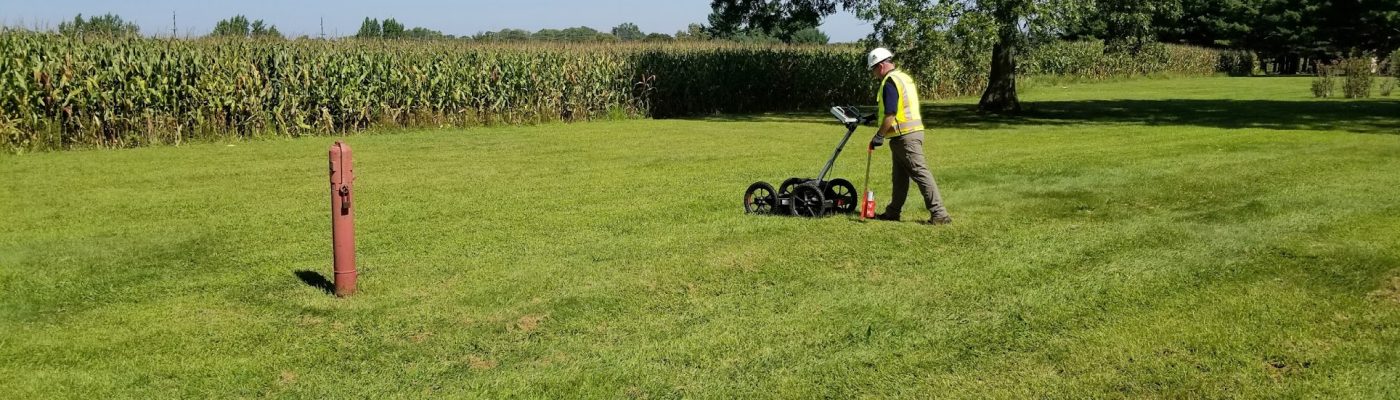
Electromagnetic locators function based on electromagnetic induction. They transmit an electromagnetic field into the ground, which interacts with conductive materials such as metal pipes, cables, and conduits. By analyzing the resulting signals, these devices can pinpoint the location and depth of buried utilities.
One of the primary advantages of EM locators is their speed and efficiency. They are relatively quick to deploy and operate, making them ideal for large-scale projects and time-sensitive applications. Furthermore, their ease of use contributes to their widespread adoption. Many EM locators feature intuitive interfaces and require minimal training to operate effectively.
However, the effectiveness of EM locators depends on the presence of a conductive path. Non-conductive materials, such as plastic pipes or certain types of rock, may not be detectable using this method. Additionally, interference from other sources of electromagnetic radiation, such as power lines and radio signals, can distort readings and hinder accurate location.
A Comparative Analysis
| Feature | Electromagnetic (EM) Locators | Ground Penetrating Radar (GPR) |
| Target Detection | Primarily detects conductive materials (metal pipes, cables) | Detects both conductive and non-conductive materials (plastic pipes, concrete, voids) |
| Depth of Penetration | Generally limited to shallower depths | Can penetrate deeper into the subsurface, depending on soil conditions |
| Image Resolution | Provides limited information about the subsurface | Generates high-resolution images, providing detailed information about the subsurface |
| Ease of Use | Generally easier to operate and requires less training | Can be more complex to operate and may require specialized training |
| Cost | Typically more affordable than GPR systems | Can be more expensive, especially high-end models |
| Environmental Impact | Minimal environmental impact | Minimal environmental impact, although some concerns exist regarding potential effects on sensitive ecosystems |
Beyond the Binary: A Combined Approach

While EM locators and GPR offer distinct advantages, they are often combined and used together to enhance the accuracy and reliability of subsurface investigations. For example, EM locators can be used to quickly identify potential areas of interest, which can then be further investigated using GPR for more detailed mapping. This combined approach can provide a more comprehensive understanding of the subsurface and mitigate the limitations of each individual technology.
The Future of Subsurface Exploration
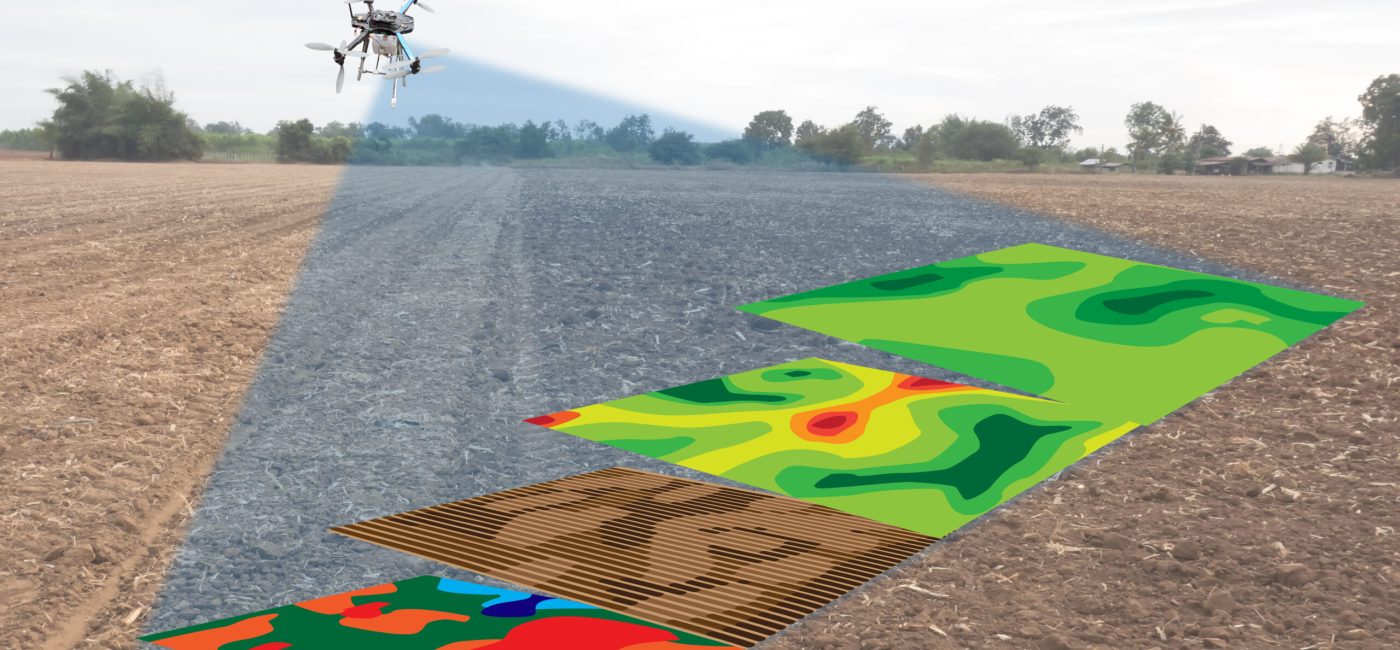
Technological advancements are continuously pushing the boundaries of both EM locators and GPR. New sensor technologies, improved data processing algorithms, and the integration of GPS and GIS are enhancing the capabilities of these tools. Furthermore, the development of hybrid systems that combine the strengths of both technologies holds immense potential for future subsurface exploration.
In conclusion, both EM locators and GPR are invaluable tools for exploring the hidden world below. By carefully considering the specific requirements of each project and the characteristics of the subsurface, practitioners can select the most appropriate technology or a combination thereof to ensure accurate and efficient subsurface investigations. As technology continues to evolve, we can expect even more sophisticated and powerful tools to emerge, further revolutionizing our understanding of what lies beneath.