In the intricate world of underground utility detection, accuracy and comprehensiveness are paramount. While traditional methods often fall short when faced with non-conductive materials, Ground Penetrating Radar (GPR) stands out as a versatile and reliable solution. This blog post delves into the fascinating realm of GPR technology, exploring its unique capabilities in handling non-conductive materials and its significance in modern utility detection.
The Challenge of Non-Conductive Materials
![62980304[1]](https://visionaryss.com/wp-content/uploads/elementor/thumbs/629803041-scaled-qzzxqe2thykyqz5o6rlbnv8flio2zl3ykj27i10dk0.jpg "62980304[1]")
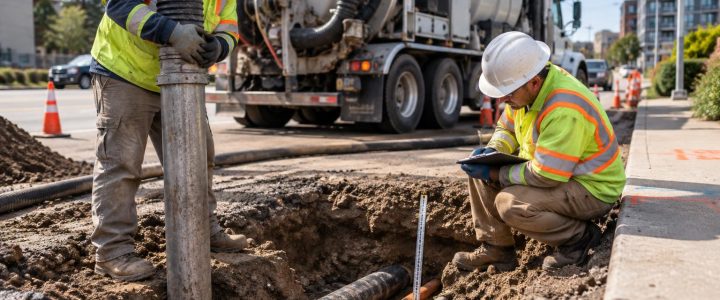
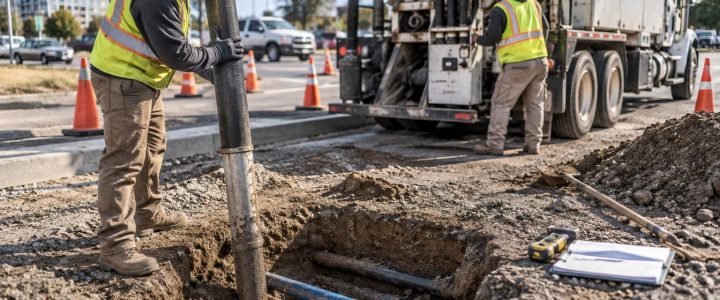
Traditional utility detection methods primarily rely on electromagnetic (EM) signals to locate underground infrastructure. These methods excel at detecting conductive materials like metal pipes and cables, which readily interact with EM fields. However, they struggle when encountering non-conductive materials such as plastic, concrete, and clay. These materials do not conduct electricity, rendering them virtually invisible to traditional EM detection techniques. This limitation poses a significant challenge, as many modern utilities, including water pipes, sewer lines, and fiber optic cables, are increasingly constructed from non-conductive materials.
GPR: A Different Approach

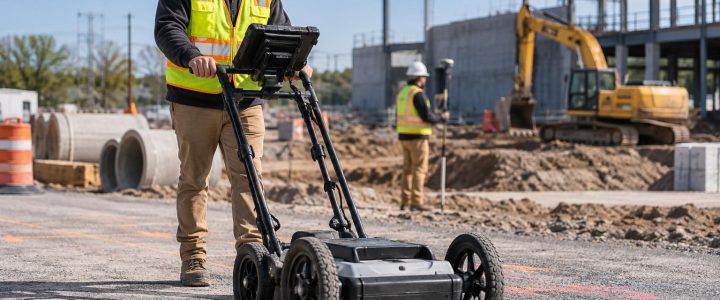
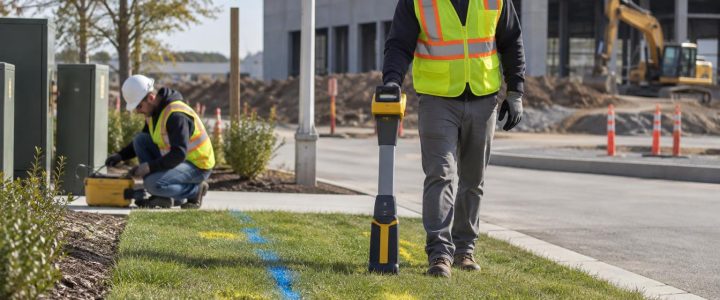
GPR takes a different approach to utility detection, employing radar technology to probe the subsurface. Unlike EM methods that rely on conductivity, GPR transmits high-frequency radio waves into the ground and analyzes the reflected signals. When these radio waves encounter a change in the dielectric properties of the subsurface materials, a portion of the energy is reflected back to the GPR antenna. By measuring the travel time and strength of these reflections, GPR can create a detailed image of the underground environment, revealing the presence of both conductive and non-conductive utilities.
How GPR Works with Non-Conductive Materials
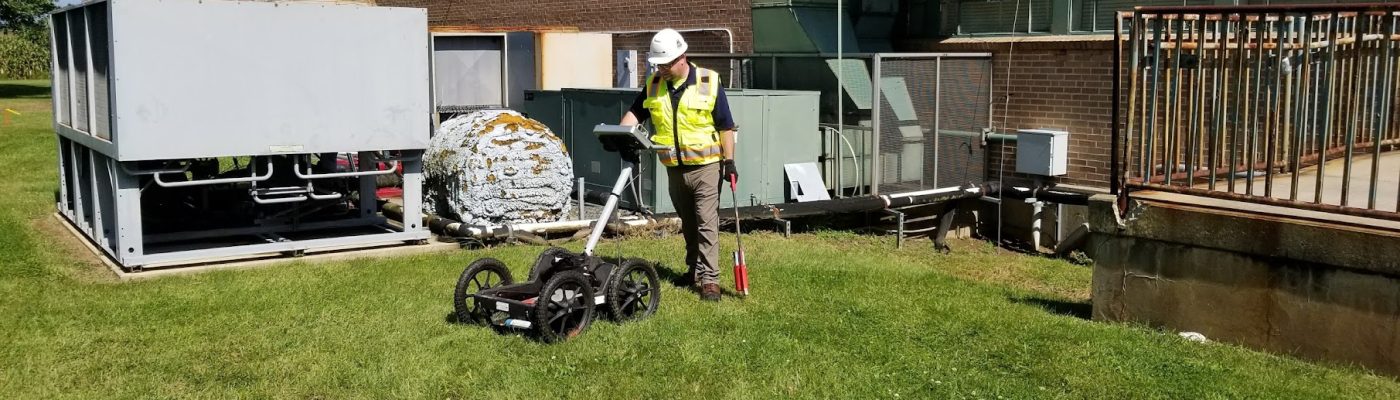
Dielectric properties play a crucial role in GPR’s ability to detect non-conductive materials. These properties describe how a material affects an electric field, influencing the speed and behavior of electromagnetic waves passing through it. Different materials exhibit distinct dielectric properties, causing variations in the reflection of GPR signals. This contrast in reflections allows GPR to identify and map non-conductive utilities, even when they are surrounded by soil or other materials with similar conductivity.
The ability of GPR to detect non-conductive materials stems from its reliance on dielectric properties rather than conductivity. Dielectric properties describe how a material affects an electric field, influencing the speed and behavior of electromagnetic waves passing through it. Different materials exhibit distinct dielectric properties, causing variations in the reflection of GPR signals. This contrast in reflections allows GPR to identify and map non-conductive utilities, even when they are surrounded by soil or other materials with similar conductivity.
Advantages of GPR in Detecting Non-Conductive Materials
![Parking_lot_stormwater_detention_system[1]](https://visionaryss.com/wp-content/uploads/elementor/thumbs/Parking_lot_stormwater_detention_system1-scaled-qzzxyjcgq9qfdbbomacx9t88xqilp5g7oulp8cxjmo.jpg "Parking_lot_stormwater_detention_system[1]")
GPR offers several advantages over traditional methods when it comes to detecting non-conductive materials:
- Comprehensive Detection: GPR can detect a wide range of materials, including plastic, concrete, clay, and other non-conductive substances, providing a more complete picture of underground utilities.
- Non-Destructive: GPR is a non-destructive technique, meaning it does not require excavation or disruption of the surrounding environment. This makes it ideal for use in urban areas and sensitive locations.
- High Resolution: GPR can provide high-resolution images of the subsurface, allowing for accurate identification and mapping of utilities.
- Versatile: GPR can be used in various soil conditions and terrains, making it a versatile tool for utility detection.
Applications of GPR in Detecting Non-Conductive Materials

GPR is widely used in various applications for detecting non-conductive materials, including:
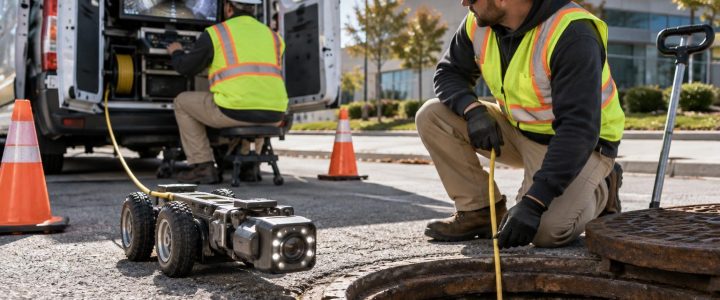
- Utility Locating: GPR is used to locate and map underground utilities, including water pipes, sewer lines, and fiber optic cables, which are often made of non-conductive materials.
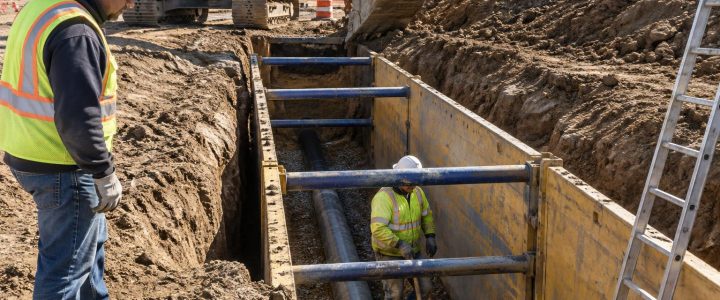
- Construction and Excavation: GPR is used to identify potential hazards before excavation, such as buried utilities or underground storage tanks.
- Geotechnical Investigations: GPR is used to assess soil conditions and identify subsurface features, such as voids or layers of different materials.
- Archaeology: GPR is used to locate buried artifacts and structures without disturbing the site.
Expanding on GPR Technology
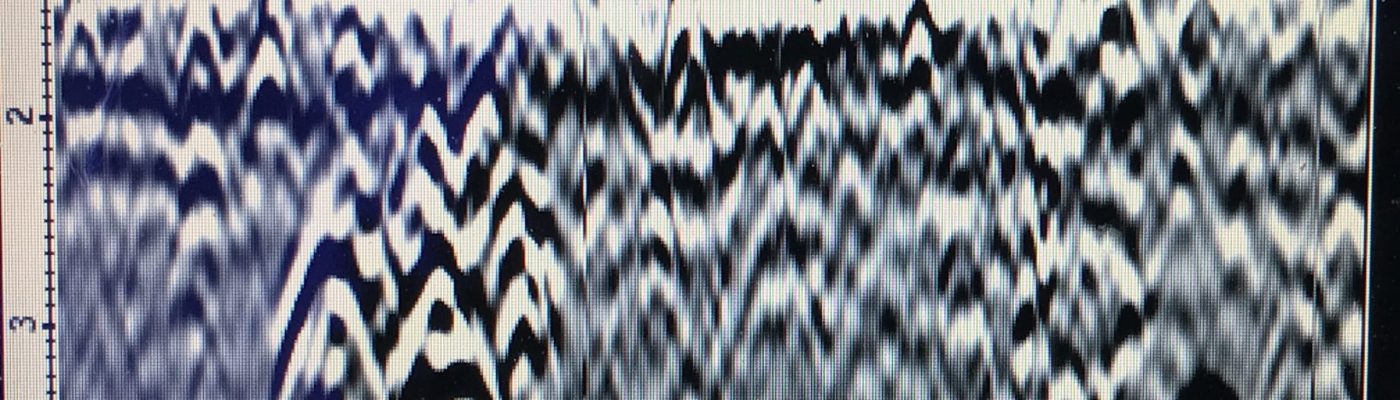
Ground Penetrating Radar (GPR) technology has become an indispensable tool in various fields, offering a non-destructive method forSubsurface Exploration and Utility Detection. Its ability to detect both conductive and non-conductive materials makes it particularly valuable in applications where traditional methods fall short. This section delves deeper into the intricacies of GPR technology, exploring its underlying principles, advanced techniques, and diverse applications.
Advanced GPR Techniques
![654405cdfc03f17d61fed712_lmnpgc9ksw[1]](https://visionaryss.com/wp-content/uploads/elementor/thumbs/654405cdfc03f17d61fed712_lmnpgc9ksw1-qzzzdk13ojkpjd7spc9xlxqxon1thpzq1dcgz1a9wg.jpeg "654405cdfc03f17d61fed712_lmnpgc9ksw[1]")
Over the years, GPR technology has evolved significantly, with the development of advanced techniques that enhance its capabilities and broaden its applications. Some of these techniques include:
- 3D GPR: This technique involves collecting GPR data over a grid pattern, allowing for the creation of three-dimensional images of the subsurface. This provides a more comprehensive understanding of the underground environment and improves the accuracy of utility mapping.
- Multi-Frequency GPR: This technique utilizes multiple frequencies simultaneously, providing a wider range of data and improving the detection of both shallow and deep targets.
- Ground-Coupled and Air-Launched GPR: Ground-coupled GPR uses antennas that are in direct contact with the ground, providing high-resolution data for shallow targets. Air-launched GPR uses antennas that are suspended above the ground, allowing for faster data collection over large areas.
Unearthing the Future: GPR's Enduring Impact on Subsurface Exploration
In conclusion, Ground Penetrating Radar has revolutionized how we interact with and understand the subsurface world. Its unique ability to detect both conductive and, crucially, non-conductive materials has made it an indispensable tool across a vast spectrum of industries. From safeguarding construction projects by locating buried utilities to uncovering historical secrets in archaeological digs, GPR provides critical insights without the need for destructive excavation. As technology continues to advance, we can expect even more sophisticated GPR systems with enhanced resolution, deeper penetration, and improved data analysis capabilities. This ongoing development promises to further solidify GPR’s role in ensuring safety, efficiency, and discovery in our increasingly complex world.
Looking ahead, the future of GPR appears bright, with ongoing research and development focusing on miniaturization, enhanced data processing, and integration with other technologies like GPS and augmented reality. These advancements will likely lead to more portable and user-friendly systems, making GPR accessible to a wider range of users. Furthermore, the integration of artificial intelligence and machine learning algorithms will enable automated data interpretation, significantly reducing processing time and improving accuracy. As we continue to rely on underground infrastructure and seek to understand the hidden layers beneath our feet, GPR will undoubtedly remain a cornerstone of subsurface exploration, shaping the future of construction, environmental science, archaeology, and countless other fields.