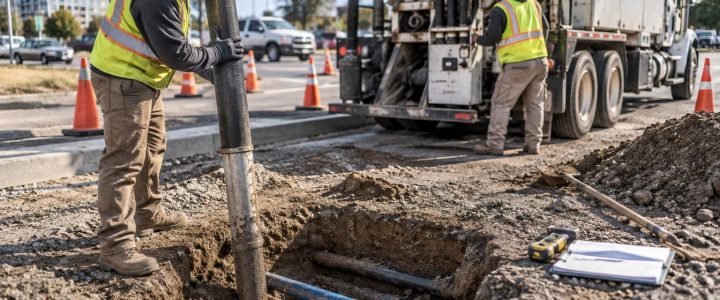
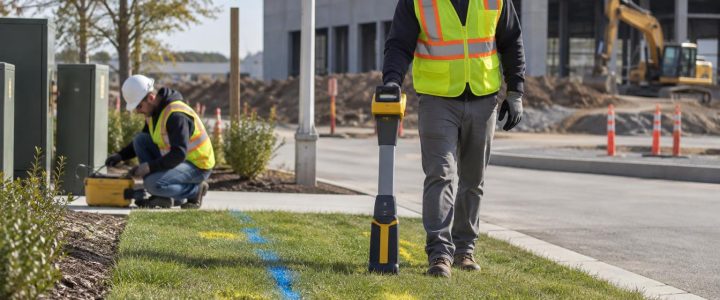
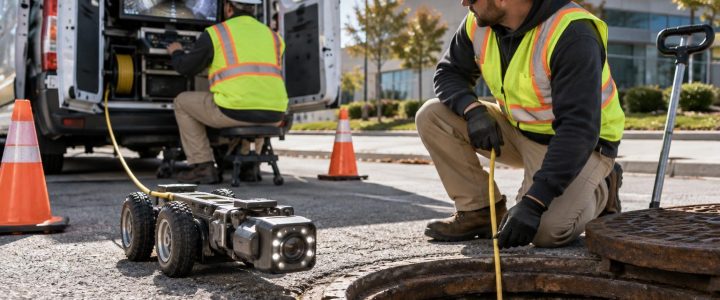
In the modern world, the need to expand infrastructure has never been greater. Urban centers are growing, new residential neighborhoods are sprouting, and industrial projects are on the rise. With this comes an increased demand for underground boring, whether it’s for laying utility cables, building pipelines, or installing communication networks. However, this process comes with inherent risks—striking underground utilities can lead to severe consequences, including costly repairs, project delays, environmental damage, and even safety hazards. The good news? Vacuum excavation offers a game-changing solution to pre-clear boring locations, ensuring safe, precise, and efficient operations.
The Hidden World Beneath Our Feet
![Underground-Utilities[1]](https://visionaryss.com/wp-content/uploads/elementor/thumbs/Underground-Utilities1-qzzwtvtr582z8gdj07qsxkjk0sw3sf253mup0j7iqo.jpg "Underground-Utilities[1]")
When we think of construction and excavation, the focus often gravitates to what happens above ground. Yet, below the surface lies a dense web of underground utilities—gas lines, water mains, electrical cables, sewer systems, and fiber optic networks. These essential systems are vital for everyday life, but they also represent a potential hazard for construction crews who may not know their exact locations.
Despite advances in utility mapping technology, subsurface utility information is not always accurate or up-to-date. Over decades of development, many utilities were installed without precise documentation. As a result, relying solely on utility maps or ground-penetrating radar to locate underground infrastructure can be risky. A single misstep during boring can result in damage to critical infrastructure or even endanger lives. This is where vacuum excavation comes into play, offering an innovative and reliable method for addressing these challenges head-on.
What is Vacuum Excavation?
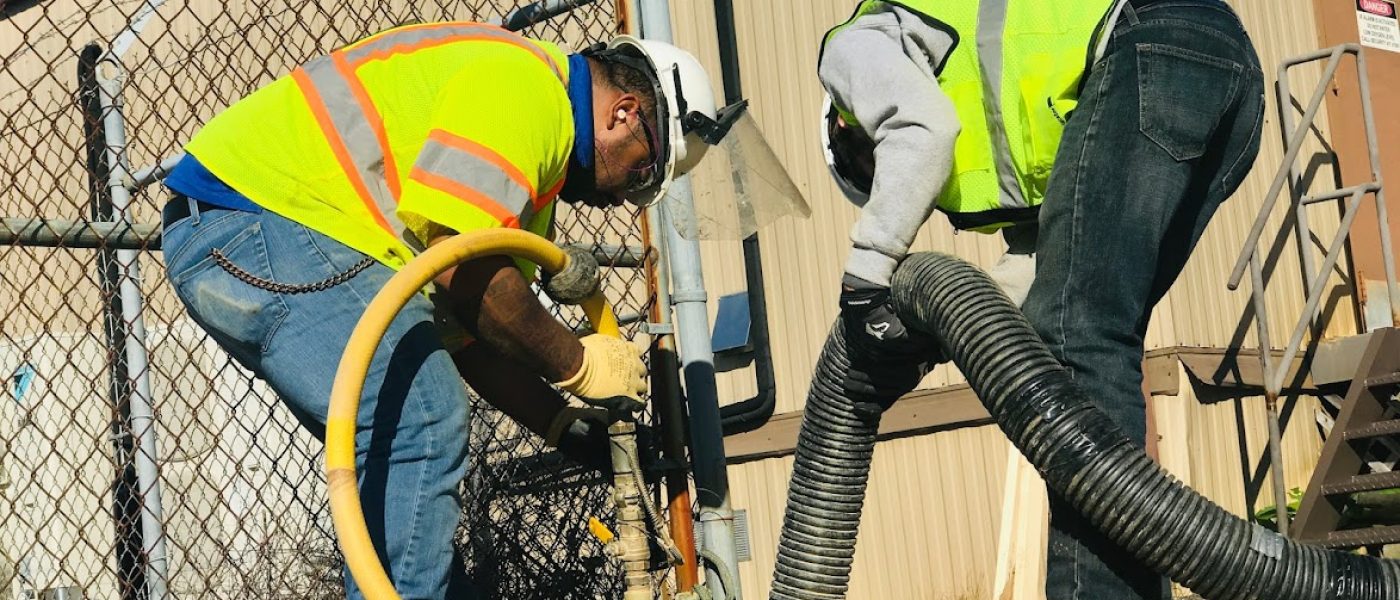
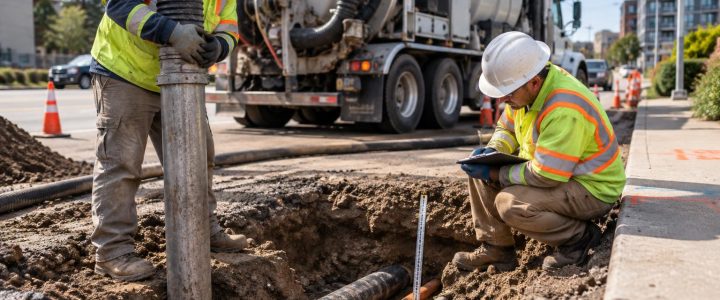
Vacuum excavation is a non-destructive digging method that uses high-pressure air or water to break up soil, which is then vacuumed into a holding tank. The process is often referred to as “soft digging” because it minimizes the risk of damaging underground utilities. By exposing buried infrastructure with precision and care, vacuum excavation allows construction teams to identify, inspect, and work around utilities safely.
Unlike traditional digging methods that use mechanical tools, vacuum excavation is much more controlled. Its precision minimizes collateral damage and ensures that delicate pipes and cables remain intact. This makes it an ideal choice for pre-clearing boring locations, especially in urban areas where underground utility networks are highly concentrated.
The Risks of Blind Boring

Before exploring how vacuum excavation can prevent accidents, it’s important to understand the risks associated with blind boring. Blind boring refers to drilling or trenching without first confirming the exact locations of underground utilities. Despite its apparent efficiency, blind boring can lead to catastrophic outcomes.
When underground utilities are struck, the impact can be immediate and devastating. Striking a gas line, for example, can result in explosions, fires, or toxic gas leaks. Hitting a water main can cause flooding, property damage, and service disruptions for entire neighborhoods. Even less dramatic incidents, such as damaging a fiber optic cable, can have far-reaching consequences, including cutting off internet and communication services to thousands of people.
Beyond the immediate dangers, these incidents often lead to costly repairs and significant project delays. Construction companies may face fines, lawsuits, and reputational damage if they’re found to have acted negligently. Vacuum excavation serves as a proactive approach, reducing these risks by uncovering underground utilities before boring begins.
How Vacuum Excavation Works in Pre-Clearing
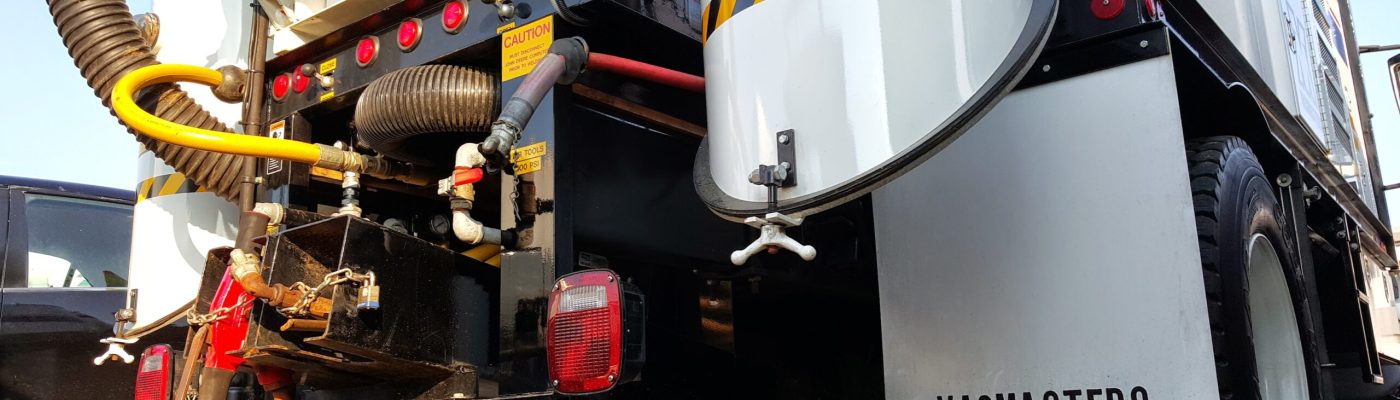
Using vacuum excavation to pre-clear boring locations is a straightforward yet highly effective process. It typically involves three main steps: locating, exposing, and documenting underground utilities.
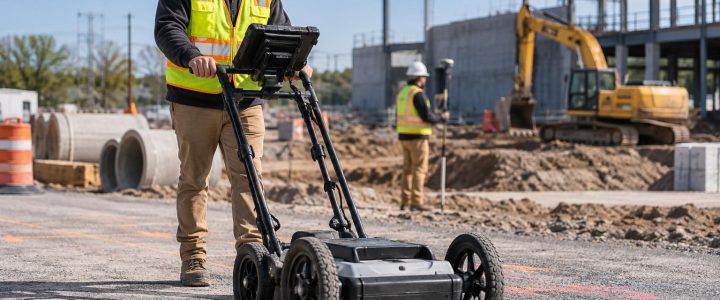
The first step begins with utility locating technologies such as electromagnetic locators or ground-penetrating radar. These tools help identify potential underground hazards. However, since these methods aren’t foolproof, vacuum excavation is then used to physically expose the utilities for confirmation.
Next comes the actual excavation process. High-pressure air or water is directed into the ground to loosen the soil, which is immediately vacuumed away. This creates a clean, controlled excavation site where underground utilities are clearly visible. Crews can inspect the exposed utilities, assess their condition, and determine safe boring paths around them.
Finally, detailed documentation of the exposed utilities is carried out. Teams record the depth, location, and type of infrastructure found, creating an accurate map that can guide further construction activities. This step not only ensures safety for the current project but also contributes to better records for future developments in the area.
The Advantages of Vacuum Excavation

Vacuum excavation has gained widespread recognition in the construction and utility industries for its numerous benefits. From enhanced safety to improved efficiency, this method offers a host of advantages over traditional digging techniques.
Enhanced Safety
The primary advantage of vacuum excavation is its ability to safely expose underground utilities without causing damage. The gentle yet effective nature of air or hydro excavation reduces the likelihood of accidental strikes, protecting both workers and infrastructure. This makes vacuum excavation particularly valuable in sensitive areas, such as near high-pressure gas lines or aging water mains.
Precision and Accuracy
Traditional digging methods, such as backhoes or hand tools, can be imprecise and labor-intensive. Vacuum excavation, on the other hand, delivers pinpoint accuracy, allowing crews to uncover utilities with minimal disturbance to the surrounding area. This precision is especially important in congested urban environments where multiple utilities may be buried close together.
Environmental Benefits
In addition to its safety and precision, vacuum excavation is an environmentally friendly option. By avoiding the use of heavy machinery and minimizing soil disruption, this method reduces the environmental footprint of excavation projects. The removed soil is stored in a holding tank and can be reused, further contributing to sustainable practices.
Cost-Effectiveness
While vacuum excavation may seem more expensive at first glance, it can save significant costs in the long run. By preventing utility strikes, companies can avoid costly repairs, regulatory fines, and project delays. The efficiency of the process also means less time spent on excavation, translating to lower labor costs and faster project completion.
Versatility
Vacuum excavation is incredibly versatile and can be used in a wide range of applications. From utility locating and potholing to trenching and debris removal, this technology has proven its value across various industries. Its ability to operate in confined spaces and hard-to-reach areas further enhances its utility.
Overcoming Common Misconceptions
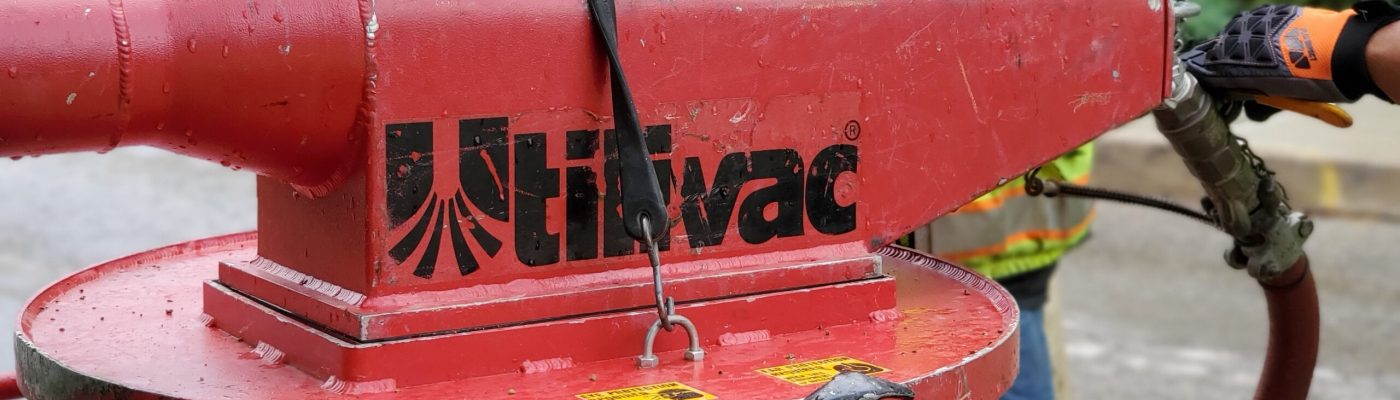
Despite its many advantages, some misconceptions about vacuum excavation persist. One common belief is that the process is too slow compared to traditional digging methods. While it’s true that vacuum excavation may take slightly longer in some cases, the increased safety and accuracy more than compensate for the time difference.
Another misconception is that vacuum excavation is only necessary for high-risk projects. In reality, this method is valuable for any project involving underground utilities, regardless of the perceived risk level. Even minor incidents can lead to significant costs and delays, making the proactive use of vacuum excavation a wise investment.
The Future of Safe Excavation
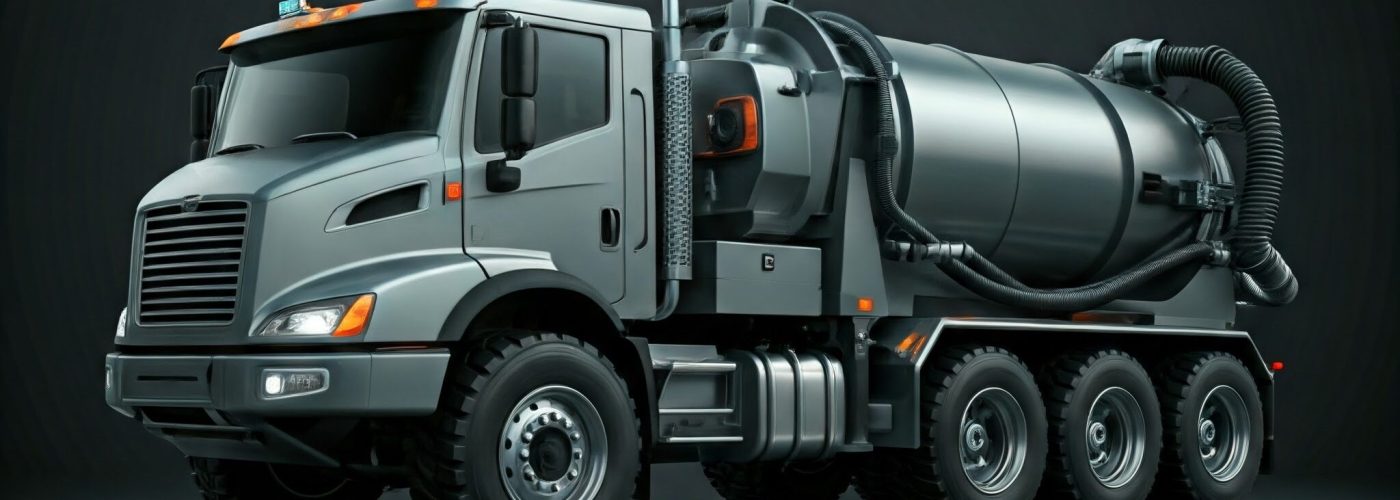
As infrastructure development continues to grow, the importance of safe and efficient excavation methods will only increase. Vacuum excavation represents a significant step forward in this regard, offering a reliable solution to the challenges of underground utility work.
With advances in technology, the capabilities of vacuum excavation are likely to expand even further. Automated systems, enhanced mapping tools, and improved equipment are on the horizon, promising to make the process even more precise and efficient. As more industries recognize the benefits of vacuum excavation, its adoption is expected to become standard practice for pre-clearing boring locations.
Conclusion
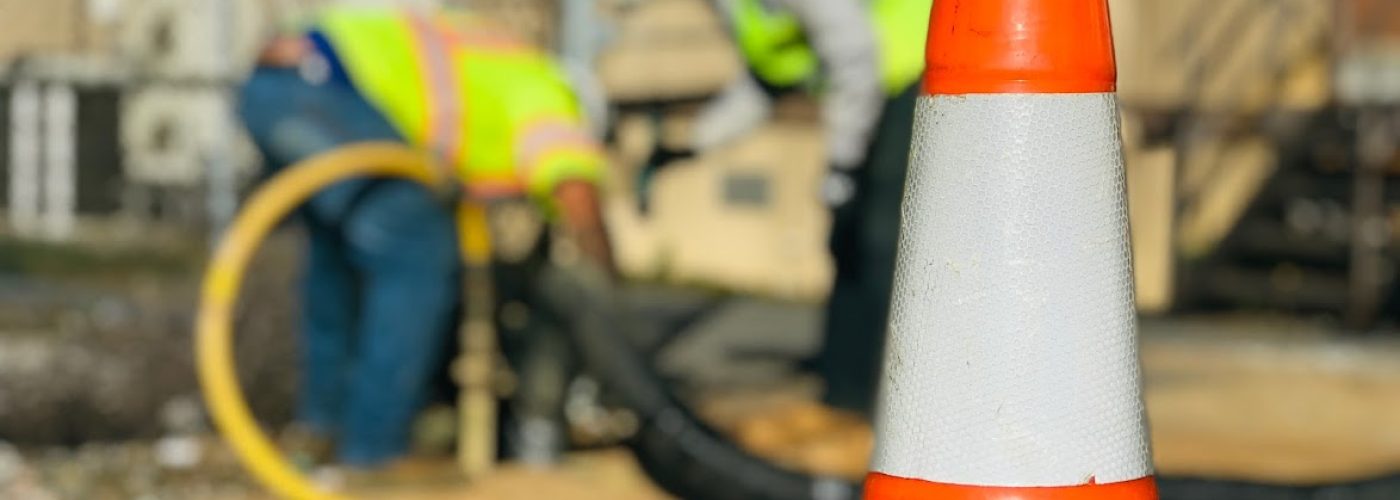
Vacuum excavation is more than just a digging technique—it’s a comprehensive solution for ensuring safety, precision, and efficiency in underground utility work. By pre-clearing boring locations, this method helps construction teams avoid the costly and dangerous consequences of utility strikes.
As infrastructure projects become more complex and urban areas more crowded, the need for innovative excavation methods will only grow. Vacuum excavation offers a proven path forward, enabling safer, smarter, and more sustainable construction practices. Whether you’re a contractor, engineer, or utility provider, embracing this technology is a step toward a safer future for everyone involved.