In the fast-paced world of construction, safety is paramount. High-risk construction sites, where heavy machinery, dense activity, and complex infrastructure collide, present unique challenges. One critical aspect often overlooked in ensuring safety is the accurate identification and management of subsurface utilities. Subsurface Utility Engineering (SUE) has emerged as a transformative discipline, revolutionizing how construction teams approach underground utility mapping, risk mitigation, and safety enhancement. This blog delves into the ways SUE improves safety on high-risk construction sites, highlighting its role in reducing accidents, preventing costly errors, and promoting efficiency.
The Hidden Hazards Beneath Our Feet
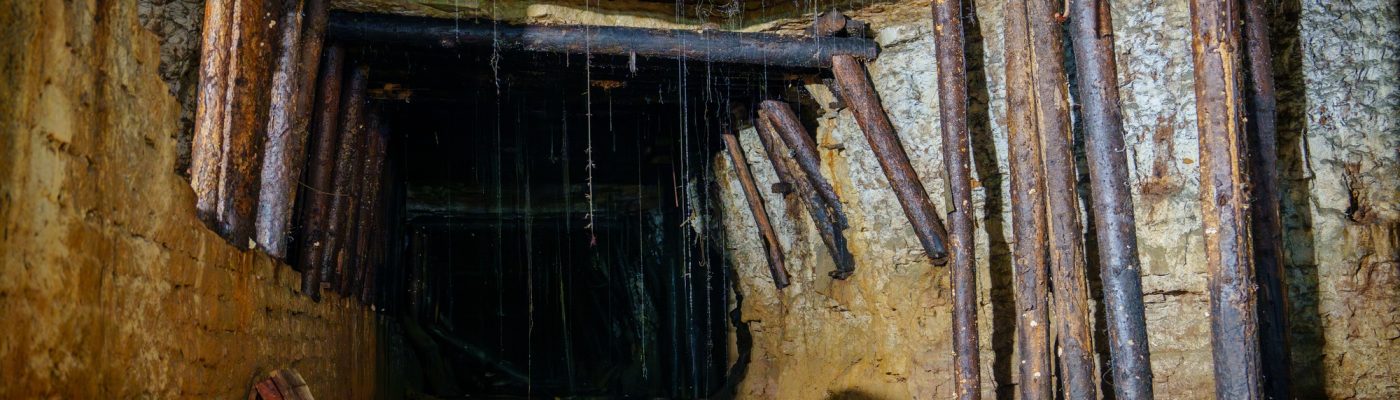
Construction projects involve more than just the visible structures and surfaces. Beneath every site lies a network of underground utilities—water lines, gas pipes, electrical conduits, telecommunications cables—that are essential for urban life but pose significant hazards if mishandled. Accidentally striking these utilities can lead to catastrophic consequences, including gas explosions, electrical shocks, flooding, and service outages.
Traditionally, reliance on outdated blueprints and “as-built” drawings led to frequent inaccuracies in identifying underground utilities. These documents often failed to reflect changes made over time, resulting in unanticipated encounters with hidden utilities during excavation. The consequences of such encounters can be dire, causing project delays, costly repairs, and endangering workers’ lives. Subsurface Utility Engineering addresses this critical gap by employing advanced technologies and systematic processes to identify, document, and mitigate underground utility risks.
SUE: A Game Changer in Underground Utility Management
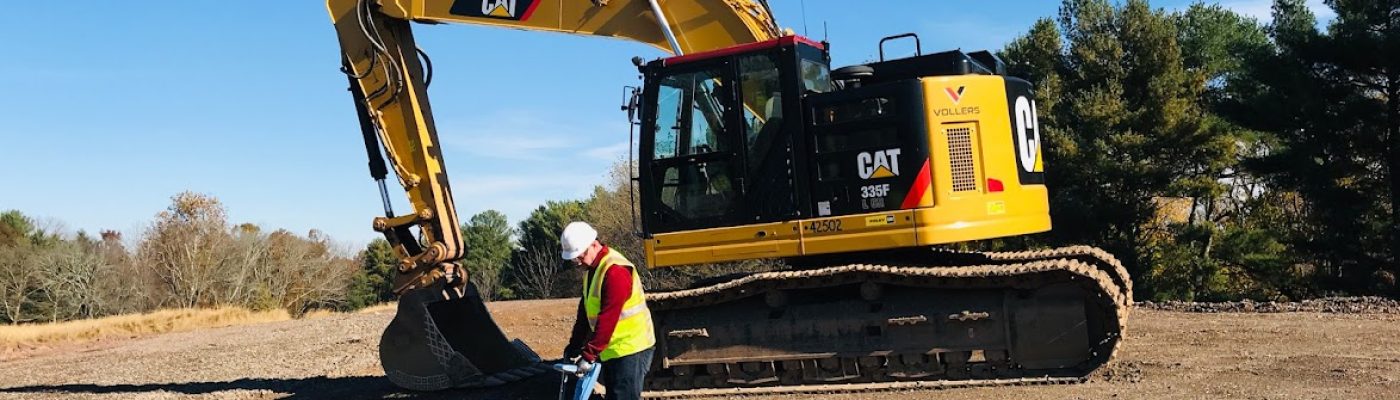
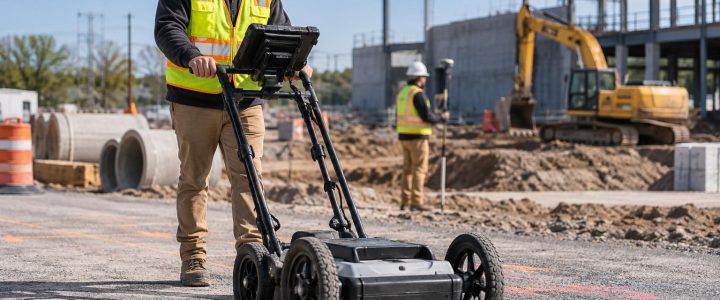
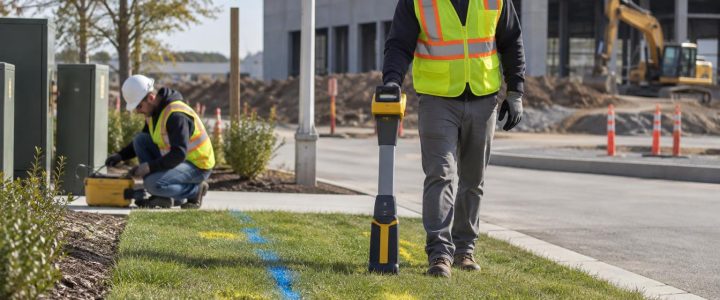
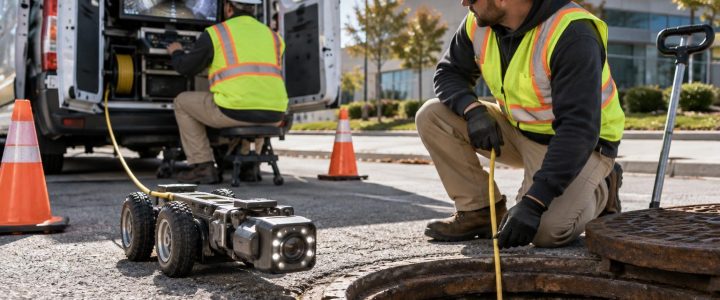
Subsurface Utility Engineering combines engineering principles with geospatial technologies to locate and map underground utilities accurately. By integrating techniques such as ground-penetrating radar (GPR), electromagnetic locators, and vacuum excavation, SUE professionals can detect utilities with precision. These tools allow engineers to visualize what lies beneath the surface, providing comprehensive data that informs construction planning and decision-making.
One of the most significant advantages of SUE is its ability to classify utilities based on their accuracy. The American Society of Civil Engineers (ASCE) developed a standard guideline, ASCE 38-22, which outlines four quality levels of utility data. These levels range from Quality Level D (based on existing records) to Quality Level A (precisely verified through non-destructive methods). This structured approach ensures that project teams have a clear understanding of utility locations, significantly reducing the likelihood of accidents.
Mitigating Excavation Hazards Through Accurate Mapping

Excavation is one of the riskiest aspects of construction, often fraught with uncertainty about what lies beneath. Inaccurate mapping can lead to utility strikes, which are among the most common causes of accidents on construction sites. SUE mitigates this risk by providing high-fidelity maps that guide excavation crews.
For instance, ground-penetrating radar scans the subsurface, creating detailed images of buried utilities. This technology can detect both metallic and non-metallic utilities, offering unparalleled accuracy compared to traditional methods. By incorporating SUE data into project workflows, construction teams can plan excavations with confidence, knowing exactly where to dig and, more importantly, where not to.
Preventing Environmental Disasters with SUE
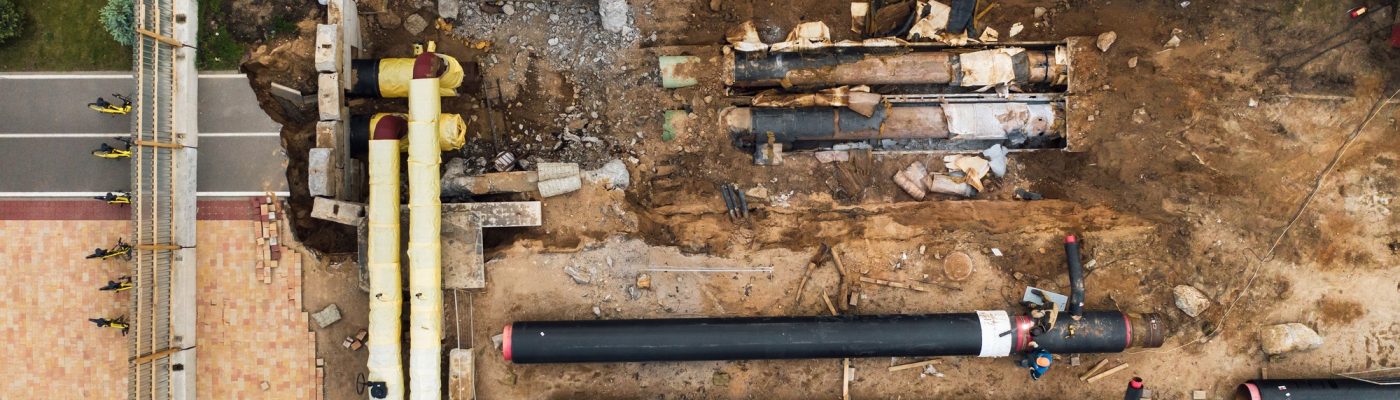
Beyond worker safety, SUE also plays a critical role in protecting the environment. Utility strikes can have severe ecological repercussions, such as oil or gas leaks contaminating soil and water sources. These incidents not only harm ecosystems but also attract regulatory penalties and public scrutiny, tarnishing the reputation of construction firms.
SUE’s precise mapping capabilities enable construction teams to avoid environmentally sensitive areas and utilities carrying hazardous substances. By integrating SUE data into environmental impact assessments, project managers can ensure compliance with regulations and implement mitigation measures proactively. This approach not only safeguards the environment but also promotes sustainable construction practices.
Enhancing Worker Safety Through Proactive Risk Management
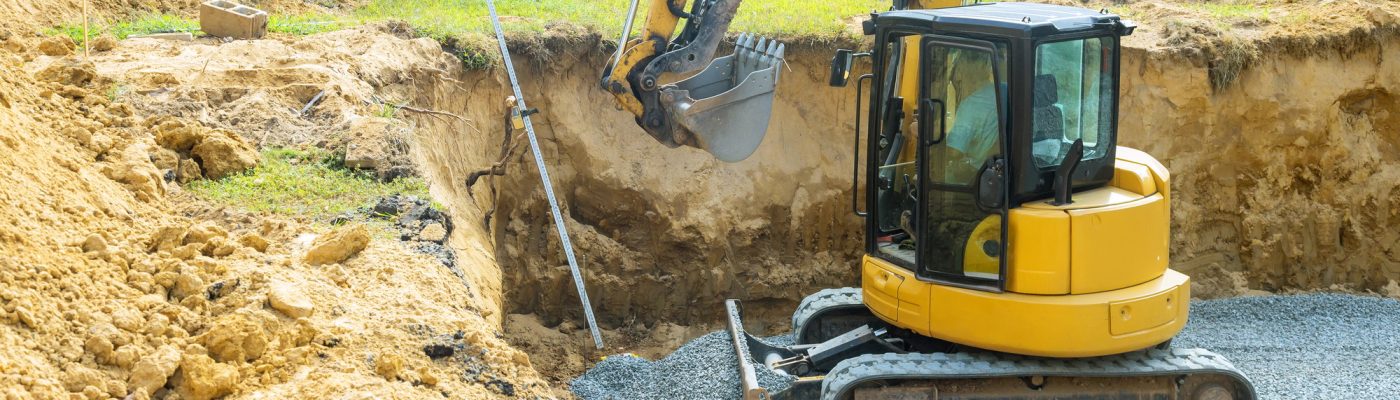
Worker safety is a cornerstone of construction site management, and SUE plays a pivotal role in safeguarding lives. High-risk sites often involve congested utility corridors where the slightest misstep can lead to disaster. By leveraging SUE, project managers can proactively address these risks before ground is broken.
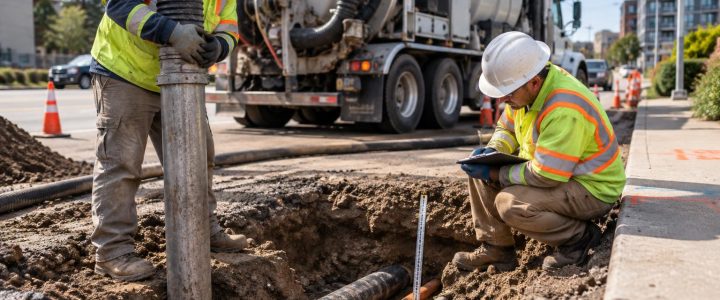
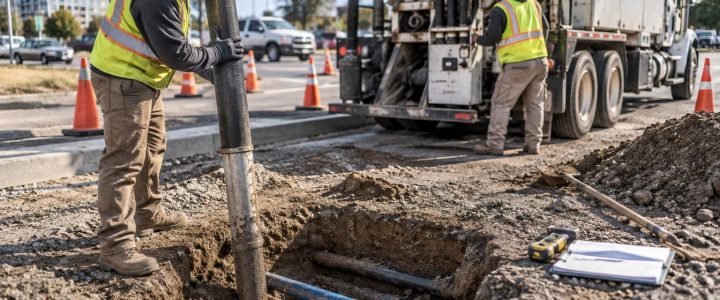
Detailed utility data allows for the creation of utility conflict matrices, which identify potential clashes between planned construction activities and existing utilities. With this information, engineers can redesign project plans to avoid conflicts, ensuring a safer environment for workers. Additionally, the use of vacuum excavation, a non-destructive method to expose utilities, minimizes the need for heavy machinery in sensitive areas, reducing the risk of accidental strikes.
Reducing Project Delays and Costs
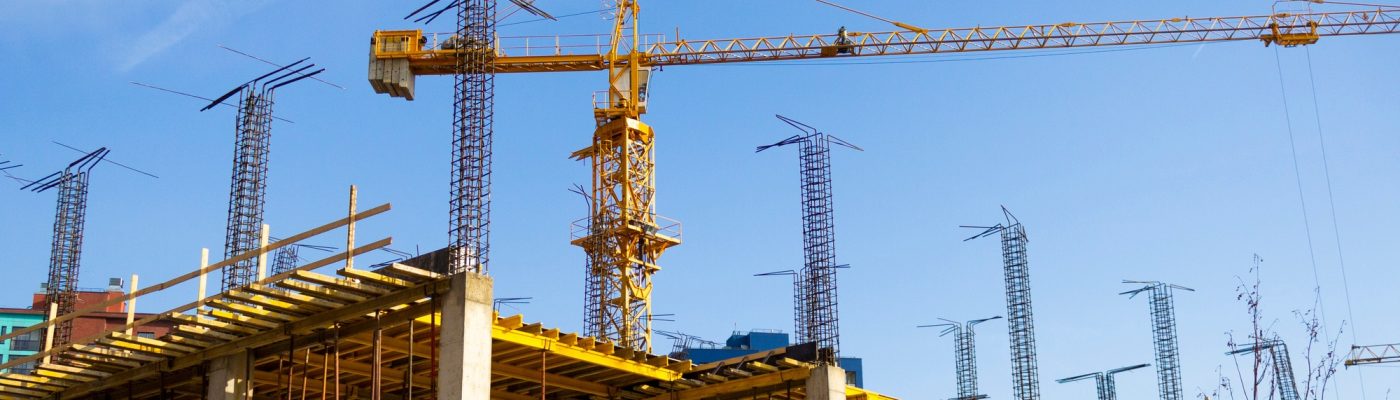
Safety and efficiency often go hand in hand on construction sites, and SUE significantly contributes to both. Utility strikes not only endanger lives but also disrupt project timelines and budgets. Repairing damaged utilities, addressing safety incidents, and dealing with legal liabilities can drain resources and derail progress.
By incorporating SUE early in the project lifecycle, construction teams can identify potential utility conflicts during the planning phase. This foresight enables them to design around existing utilities, avoiding costly rerouting or repairs later. The result is a streamlined construction process with fewer delays, reduced costs, and enhanced safety outcomes.
Embracing a Culture of Safety and Collaboration
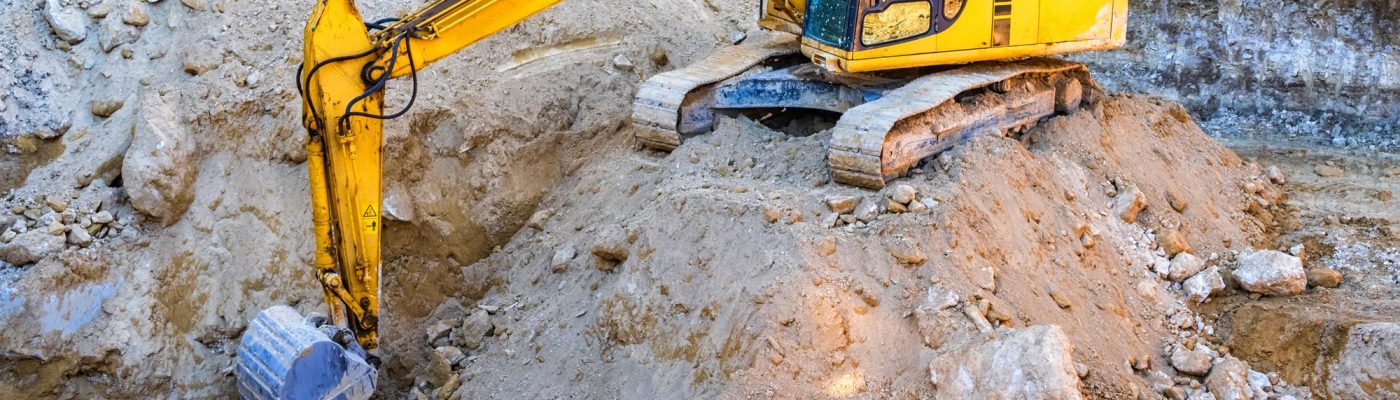
The success of SUE in improving safety on high-risk construction sites extends beyond technology—it requires a culture of collaboration and safety awareness. Effective SUE implementation involves close coordination between utility owners, engineers, contractors, and regulatory bodies. By fostering open communication and sharing accurate data, project teams can align their goals and prioritize safety above all else.
Training and education also play a crucial role in maximizing SUE’s potential. Construction workers, engineers, and project managers must understand how to interpret and utilize SUE data effectively. Regular training sessions, workshops, and field demonstrations ensure that everyone on-site is equipped to make informed decisions that enhance safety.
The Future of SUE in Construction

As technology continues to advance, the role of SUE in construction is poised to grow even more significant. Emerging tools such as augmented reality (AR) and machine learning are already being integrated into SUE workflows, providing even greater accuracy and efficiency. For example, AR overlays can visualize underground utilities on-site, allowing workers to see potential hazards in real time. Machine learning algorithms can analyze historical utility data to predict potential risks, enabling proactive decision-making.
Moreover, the increasing emphasis on smart cities and sustainable infrastructure underscores the importance of SUE. Accurate utility data is essential for integrating renewable energy systems, optimizing resource usage, and building resilient urban environments. By adopting SUE, construction firms can stay ahead of industry trends while prioritizing safety and innovation.
Conclusion: A Safer Future with SUE
High-risk construction sites demand meticulous planning and an unwavering commitment to safety. Subsurface Utility Engineering has emerged as an indispensable tool in achieving these goals, transforming how construction teams manage underground utilities and mitigate risks. From preventing utility strikes to safeguarding workers and the environment, SUE’s impact is far-reaching and profound.
By embracing SUE, construction firms can not only enhance safety but also improve efficiency, reduce costs, and deliver projects that stand the test of time. As the industry continues to evolve, SUE will undoubtedly remain at the forefront of innovation, ensuring that construction projects are safer, smarter, and more sustainable.